How to Slash Customer Acquisition Costs (CAC) in E-commerce: 2026 Growth Strategies
In the world of e-commerce, competition is no longer just about product quality or price; the war is now being won on the efficiency front. The lessons of 2024 and 2025 have been clear: digital ad costs are skyrocketing, consumer behavior is becoming increasingly "discount-driven," and operational expenses (warehouse rents, labor) are growing exponentially.
In these stormy seas, the only way to steer the ship safely into the harbor is by taking firm control of your Customer Acquisition Cost (CAC).
But how can an e-commerce brand lower its CAC without slashing its marketing budget—or better yet, while accelerating growth? The answer might not be hidden in your ad manager panels, but deep within the depths of your warehouse and your Profit & Loss (PnL) statements.
In this guide, we dive deep into how you can optimize your e-commerce operations, refine your marketing funnel, and turn your logistics processes into a strategic weapon to drive down customer acquisition costs.
Part 1: Know Your Enemy – Why is CAC Rising?
Customer Acquisition Cost (CAC) is simply the total money spent to convince a customer to buy from you, divided by the number of customers acquired. But this equation is no longer that simple.
Economic fluctuations have intensified the pressure on companies. Raw material prices, labor, and specifically warehouse rental costs (seeing increases over 50%) are squeezing margins tight. On the consumer side, shifts in purchasing power have made loyalty harder to earn, creating a "price-focused" audience.
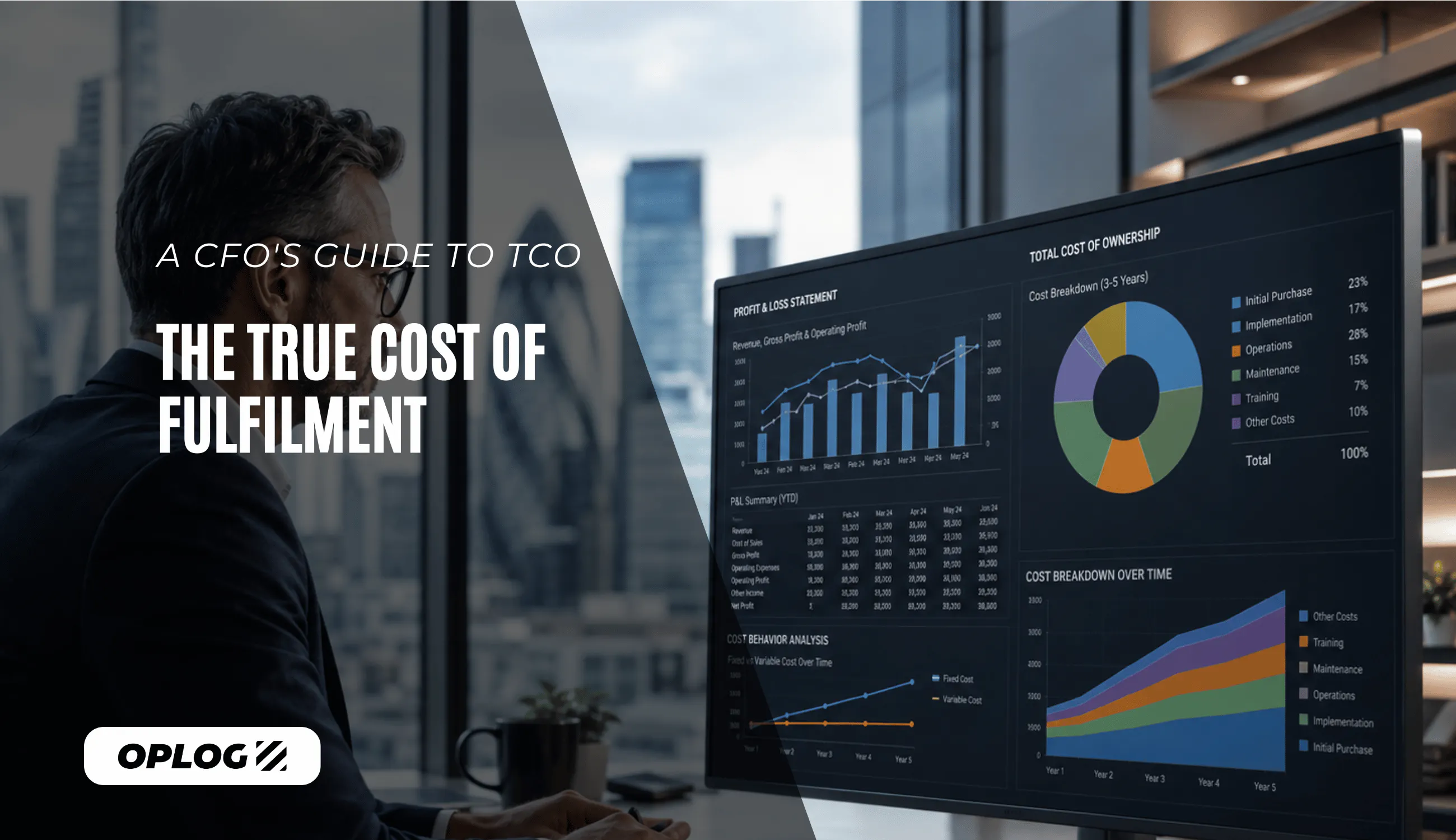
In this environment, "spending more on ads" is no longer a sustainable growth strategy. To unclog the arteries of your business, you need to look at the operation as a whole—from marketing to logistics, technology to finance—with a "Total Cost of Ownership" perspective.
Part 2: Optimize the Marketing Funnel (Conversion Rate Optimization - CRO)

The most direct way to lower CAC is to convert a higher percentage of your site traffic into sales. If 2 out of 100 visitors buy instead of 1, your CAC automatically drops by half.
1. User Experience (UX) and Site Speed
Users are impatient. Your site’s load speed, mobile compatibility, and the simplicity of your checkout process directly impact conversion rates. Think about why giants like Amazon have championed "one-click checkout" for years. Every extra click is a potential lost customer.
2. Personalization and Data Usage
The era of "one message for everyone" is over. Analyze your customers' past purchase data and the categories they browse to offer them tailored email series or on-site recommendations. A personalized experience is the cheapest way to warm up cold traffic.
3. Content Marketing and SEO (Organic Traffic)
Remaining dependent on paid ads (PPC) keeps CAC perpetually high. Increasing your organic traffic through blog content, product review videos, and SEO-friendly category descriptions provides "free" customer acquisition in the long run. While it requires initial effort, it is the lowest-cost channel over time.
Part 3: Increase Customer Lifetime Value (LTV)
Just as important as lowering CAC is increasing LTV (Life Time Value). Acquiring a new customer is 5 to 7 times more expensive than selling again to an existing one.
- Loyalty Programs: Reward your customers with point systems or VIP clubs.
- Email Marketing (Retention): Post-purchase communication shouldn't be limited to order tracking. Keep the customer engaged with product usage guides and complementary product recommendations (cross-sell).
- Subscription Models: If your products allow, generate Monthly Recurring Revenue (MRR) through subscription models. This allows you to amortize CAC on the very first sale.
Part 4: The Game-Changing Move – Logistics and Fulfillment
Most e-commerce managers view logistics merely as "moving a box from point A to point B." In reality, logistics and fulfillment are a hidden treasure chest for lowering CAC. A poorly structured operation can be a black hole quietly draining your marketing budget.
Hidden Costs and the "In-House" Fallacy
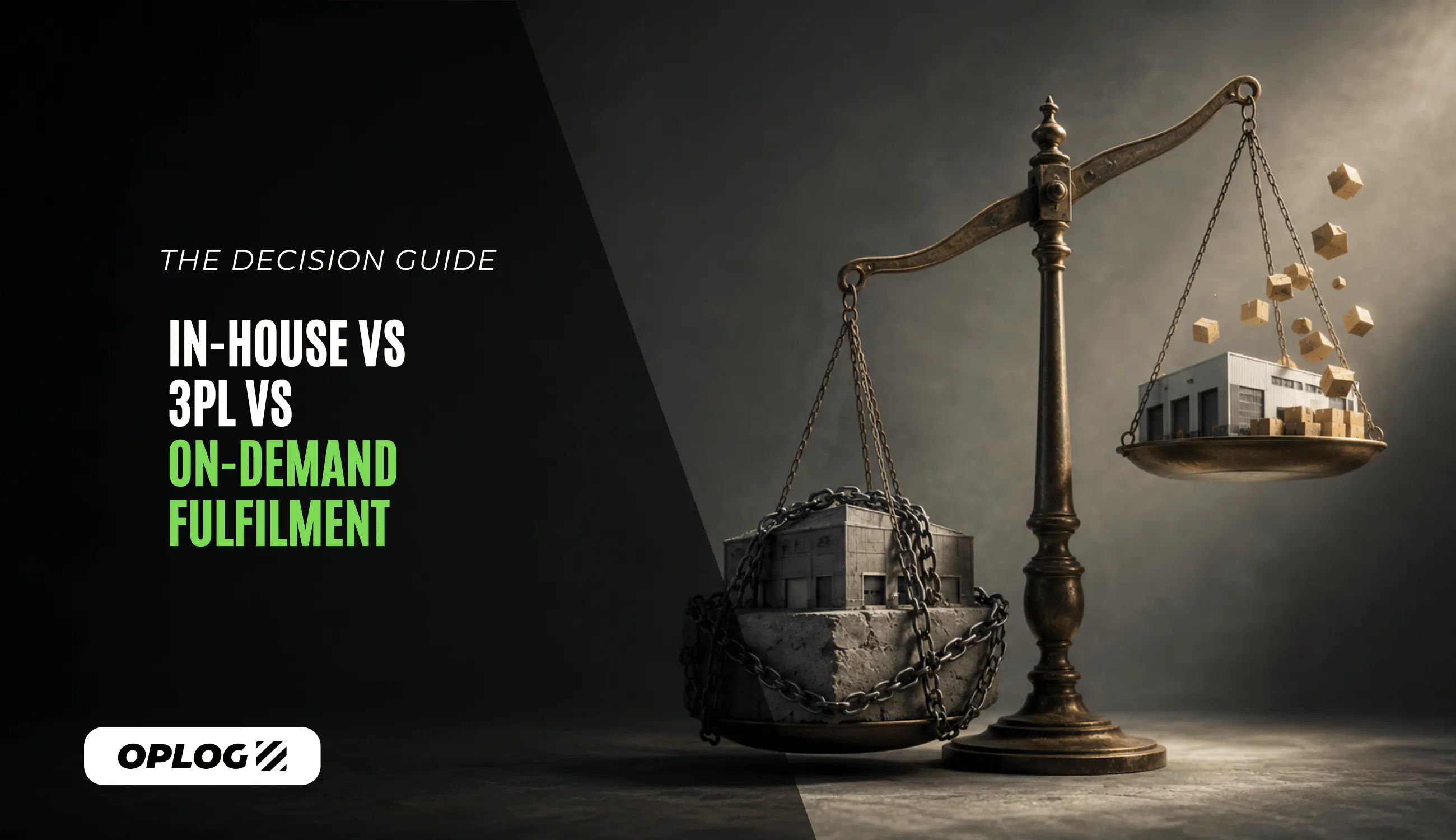
Many companies believe that managing their own warehouse (In-House) is the cheapest method and gives them control. However, especially for mid-to-large-scale firms, this creates incalculable hidden costs.
Companies managing their own operations often fail to fully account for:
- Severance and benefits for warehouse staff.
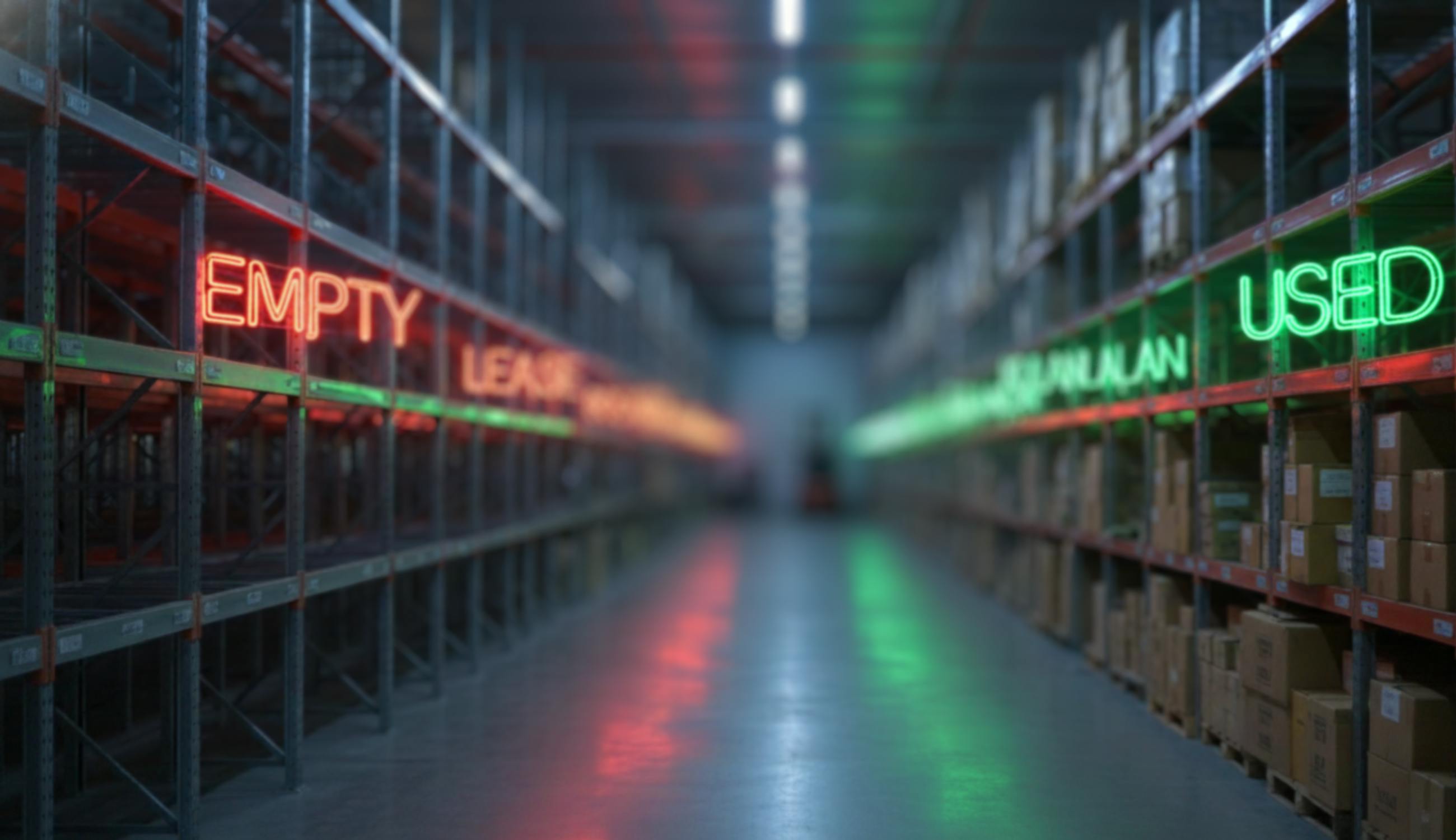
- Idle Capacity Costs: Paying rent for empty warehouse space during off-peak seasons.
- Technology investments (WMS, handheld terminals, conveyors).
- The cost of time spent on management and supervision.
If you don't know your operational costs clearly, you are miscalculating your cost per unit. This causes you to use your marketing budget inefficiently.
The Strategic Solution: Generating Resources with the "Pay-As-You-Go" Model
This is where 3PL (Third-Party Logistics) and Next-Generation Fulfillment services come into play. But we aren't talking about traditional, rigid contract logistics. Modern e-commerce needs structures that are flexible, technology-driven, and capable of converting fixed costs into variable costs.
Tech-focused fulfillment providers like OPLOG offer e-commerce brands exactly this advantage:
- Dynamic Capacity: In the traditional model, you pay for a huge warehouse and staff even if sales are low. With OPLOG’s True PAYG model, you don't pay for idle capacity. You only pay for the orders you ship and the space you use.
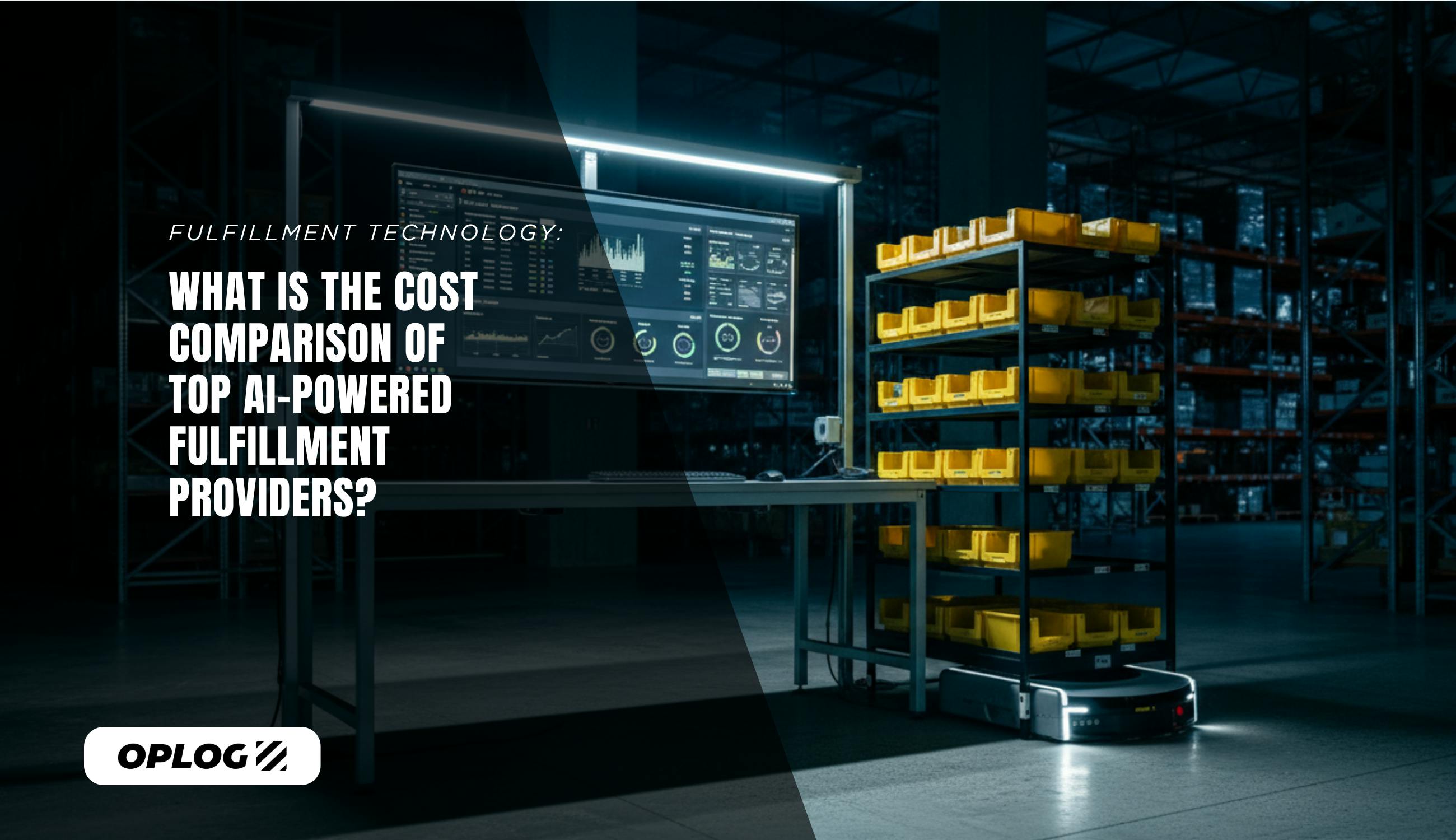
- Eliminating Investment Costs (CAPEX to OPEX): The burden of robotic technologies, automation systems, and warehouse setup costs is lifted from the company's shoulders. Instead of burying massive budgets (CAPEX) into logistics infrastructure, companies can shift these funds to the marketing budget (OPEX) for customer acquisition.
- Speed = Conversion: "Same-Day Delivery" or "Next-Day Delivery" options are the most powerful marketing weapons in e-commerce. They reduce cart abandonment rates and increase conversion. A robust fulfillment infrastructure is actually a marketing tool that directly lowers CAC.
- Zero Commitment: Instead of long-term, binding, and risky contracts, OPLOG offers flexible models with no penalties that adapt to the company's growth speed, minimizing financial risk.
With this strategy, every penny saved from logistics operations (total cost savings of 15-20% are possible) can be added directly to the budget for acquiring new customers.
Part 5: Data-Driven Decision Making
To lower CAC, you don't need "guesses"—you need data.
- Which Channel is More Profitable? Instagram ads, Google Ads, or Influencer collaborations? Calculate the CAC for each channel separately.
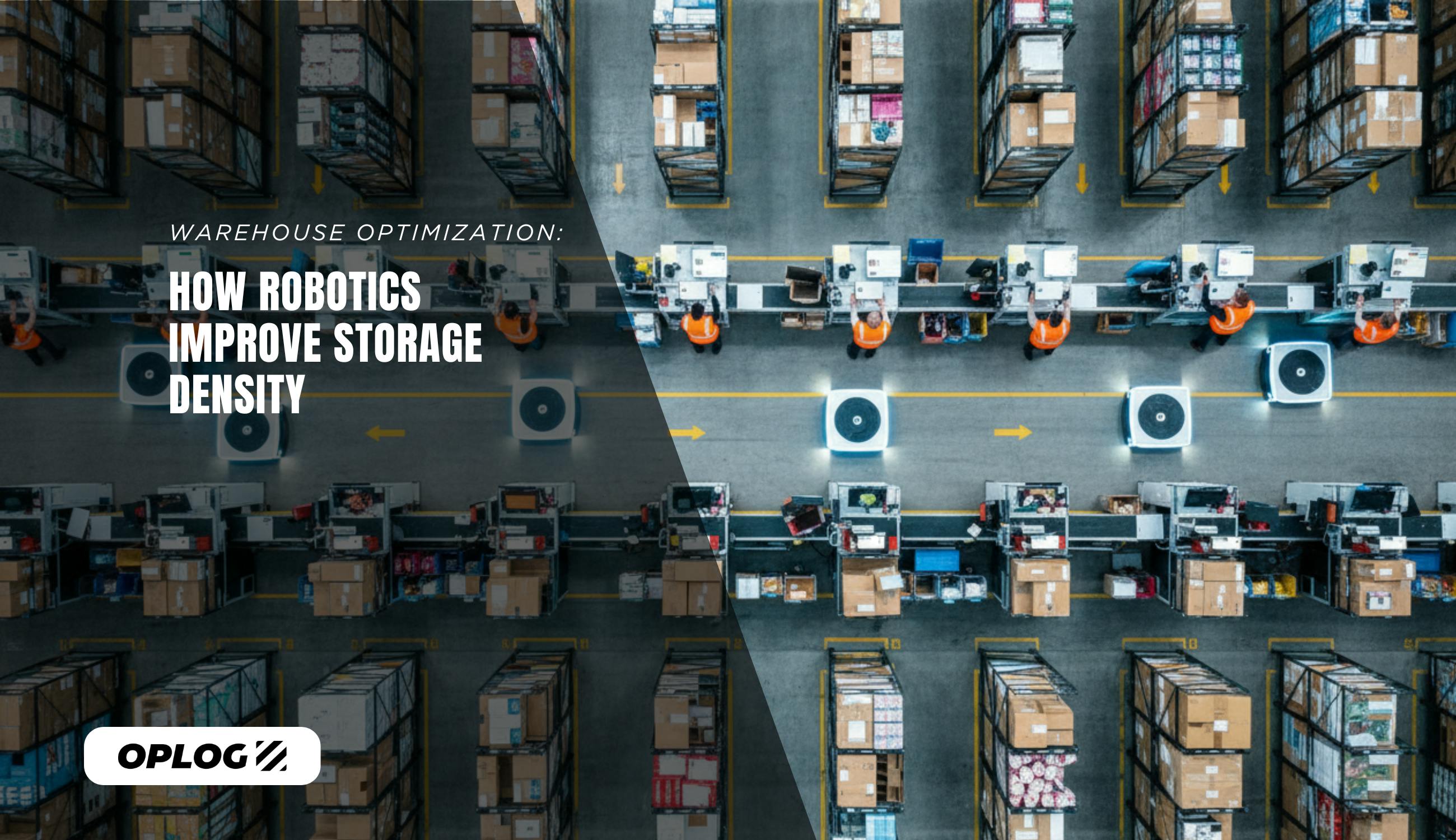
- Return Rates: Returns are the bleeding wound of e-commerce. Returns caused by operational errors increase shipping costs and alienate customers (High Churn Rate). Robotics-powered fulfillment processes minimize errors, indirectly lowering the cost of the customer.
- Inventory Turnover Speed: Which product is sitting in the warehouse for how long? Slow-moving stock locks up your cash flow. Use your capital efficiently with data-driven inventory management.
Conclusion: Time to Change the Game

In 2025 and beyond, the winners in e-commerce won't be those who spend the most on ads; they will be the ones who use their resources the wisest.
Lowering Customer Acquisition Cost isn't just about changing ad copy. It's about improving your financial statements (PnL), shedding operational burdens, and transforming fixed expenses into flexible, manageable costs.
Take another look at your company's "Total Cost of Ownership" table. What would happen if you could use the money you currently pay for empty shelves, inefficient processes, or unmanageable personnel costs to acquire new customers instead?
Perhaps modernizing your logistics operations is the single biggest marketing investment you can make. Remember, when you optimize your costs, you gain the power to break price competition or the freedom to market more aggressively.
The rules of the e-commerce game have changed. Shed your operational burdens with OPLOG and focus on growth!