The line between B2C and B2B commerce is blurring fast. Today's brands don't just sell to individual consumers through a single online store — they simultaneously fulfill wholesale orders for retailers, manage marketplace listings, ship direct-to-consumer packages, and handle bulk distributions to business clients. Managing these fundamentally different order flows under one roof is no longer a luxury; it's the operational backbone of any business serious about growth.
So which omnichannel fulfillment services actually support both B2C and B2B order flows? And what does it take for a fulfillment operation to handle a single-item e-commerce order and a 500-unit pallet shipment from the same inventory pool, without missing a beat?
This guide breaks it all down — from the core services and technologies involved, to the real advantages of unified fulfillment, and what to look for when choosing a partner that can handle both worlds.
What Is Omnichannel Fulfillment and Why Does It Matter?
Omnichannel fulfillment is the process of picking, packing, and delivering orders across multiple sales channels — online stores, physical retail locations, marketplaces, wholesale portals, and more — while operating from a unified inventory and a single, integrated logistics infrastructure.
The key distinction from multichannel fulfillment is integration. In a multichannel setup, each channel often operates independently with its own inventory allocation, warehouse processes, and shipping workflows. Omnichannel fulfillment eliminates these silos. Every channel draws from the same stock pool, every order flows through the same management system, and every customer — whether an individual shopper or a bulk buyer — receives consistent service quality.
This matters especially for businesses that serve both end consumers and other businesses. When your e-commerce site, your Amazon storefront, your retail distribution, and your B2B portal all pull from the same inventory, you reduce overstock risk, cut warehousing costs, and respond to demand shifts in real time. For a deeper look at why inventory visibility is so critical to this equation, our guide on the importance of inventory management covers the fundamentals.
B2C vs. B2B Order Flows: Understanding the Core Differences
Before identifying which omnichannel fulfillment services bridge both models, it's important to understand what makes B2C and B2B order flows so different operationally.
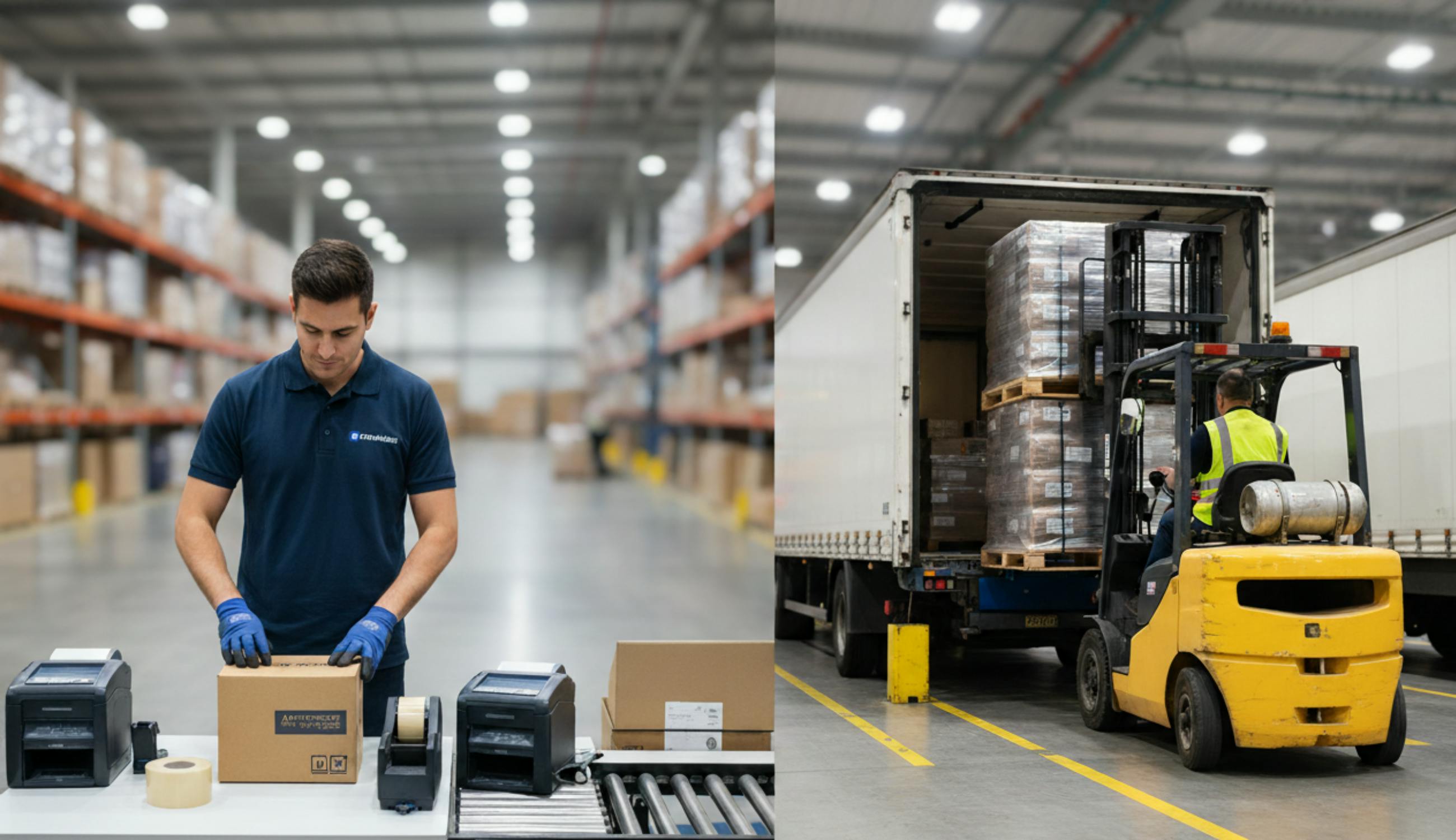
B2C fulfillment is built around speed, accuracy, and consumer experience. Orders are typically small — one to a few items — and customers expect fast delivery windows, branded unboxing experiences, easy returns, and real-time tracking. The volume of individual orders is high, but each order's complexity is relatively low.
B2B fulfillment operates on a different logic entirely. Orders are larger in quantity but lower in frequency. They often involve pallet-level shipments, compliance with retailer routing guides, EDI (Electronic Data Interchange) documentation, custom labeling requirements, specific delivery windows, and complex invoicing. A single mistake in a B2B shipment — a wrong label, a missed compliance requirement — can result in chargebacks or lost accounts.
Running both models from the same fulfillment operation demands a system architecture that can dynamically switch between piece-picking a single lipstick for an online shopper and staging a 200-carton shipment for a retail chain — all within the same four walls.
Which Omnichannel Fulfillment Services Support Both B2C and B2B Order Flows?
The fulfillment services that genuinely bridge B2C and B2B aren't just warehouses that happen to ship both small and large orders. They are structured around specific capabilities designed to handle the operational complexity of both models simultaneously.
1. Unified Inventory Management
The foundation of any omnichannel fulfillment service supporting both B2C and B2B is a single inventory pool. Rather than dedicating separate stock for each channel, unified inventory management allows every order — whether it's a single consumer purchase or a bulk wholesale request — to draw from the same pool. Real-time stock synchronization across all channels prevents overselling, eliminates the need for safety stock buffers per channel, and dramatically improves inventory turnover rates.
2. Multi-Channel Order Management System (OMS)
A robust OMS is the brain of omnichannel fulfillment. It ingests orders from e-commerce platforms, marketplaces, B2B portals, POS systems, and EDI feeds, then routes each order through the appropriate fulfillment workflow. B2C orders get prioritized for speed; B2B orders follow compliance-driven workflows with specific packaging, labeling, and documentation requirements. Advanced OMS solutions also handle order splitting, backorder management, and automated priority rules.
3. Flexible Warehouse Operations with Robotics and Automation
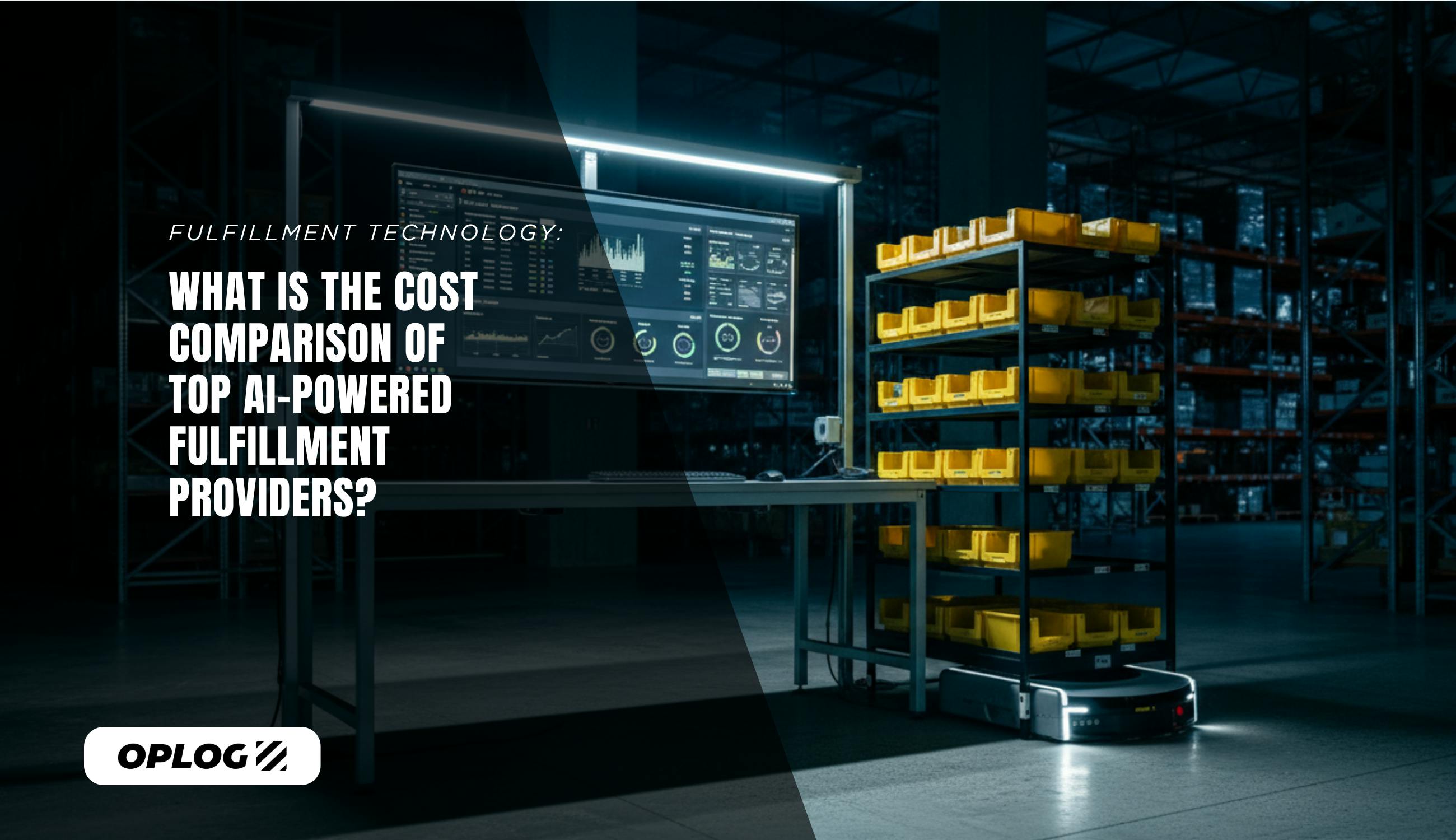
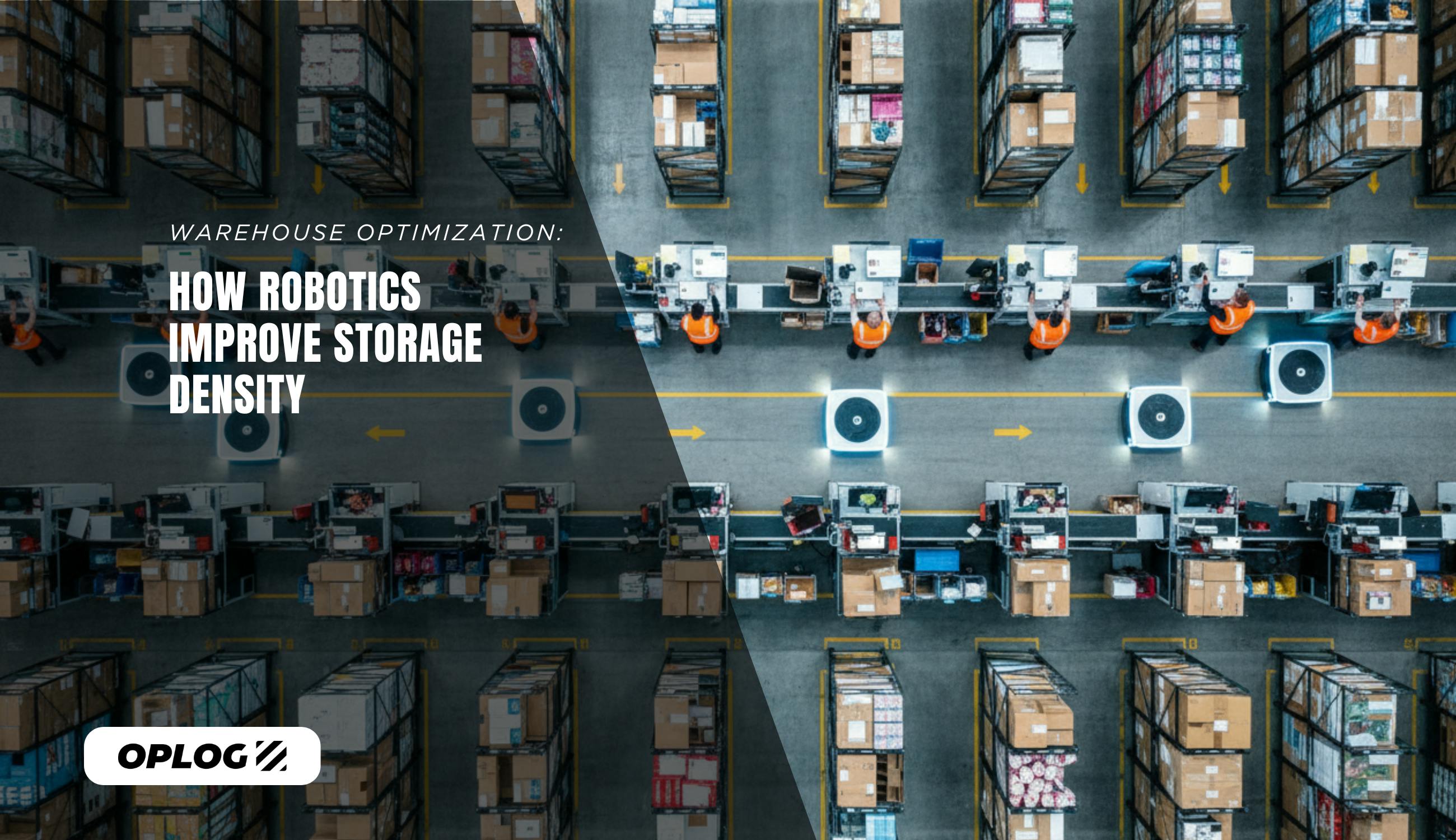
Modern fulfillment centers that serve both B2C and B2B are designed with zone-based flexibility. Piece-picking zones handle individual consumer orders at high speed, while bulk-picking and pallet-staging areas manage large B2B shipments. Robotic automation — such as autonomous mobile robots (AMRs) for goods-to-person picking — significantly increases throughput for both order types without proportional labor increases. The convergence of robotics with fulfillment is accelerating rapidly; our analysis of smart fulfillment as a defining trend of 2026 explores where this technology is heading.
4. EDI Integration and Retailer Compliance
Supporting B2B order flows requires seamless EDI capabilities. Large retailers and distributors communicate through standardized electronic documents — purchase orders, invoices, advance shipping notices (ASN), and shipping labels — all of which must conform to their specific requirements. Omnichannel fulfillment providers that support B2B must handle these protocols natively, alongside the API-based integrations used for B2C e-commerce platforms.
5. Multi-Modal Shipping and Transportation Management
B2C orders ship via parcel carriers to individual doorsteps. B2B orders may ship as LTL (less-than-truckload), FTL (full truckload), or through specialized freight channels to retail distribution centers or store locations. A fulfillment service supporting both needs a transportation management system (TMS) capable of optimizing across these different shipping modes, balancing cost, speed, and compliance for each order type.
6. Returns Management Across Both Channels
Returns look very different in B2C and B2B. Consumer returns prioritize convenience and speed — prepaid labels, drop-off options, fast refunds. B2B returns involve quality inspection, damage assessment, credit memo processing, and restocking workflows that must comply with contractual terms. An omnichannel fulfillment provider must manage both return types efficiently. Transforming returns from a cost burden into a customer retention tool is possible with the right approach, and our piece on turning returns management into a loyalty engine explores this shift in detail.
The Technology Stack Behind Omnichannel B2C and B2B Fulfillment
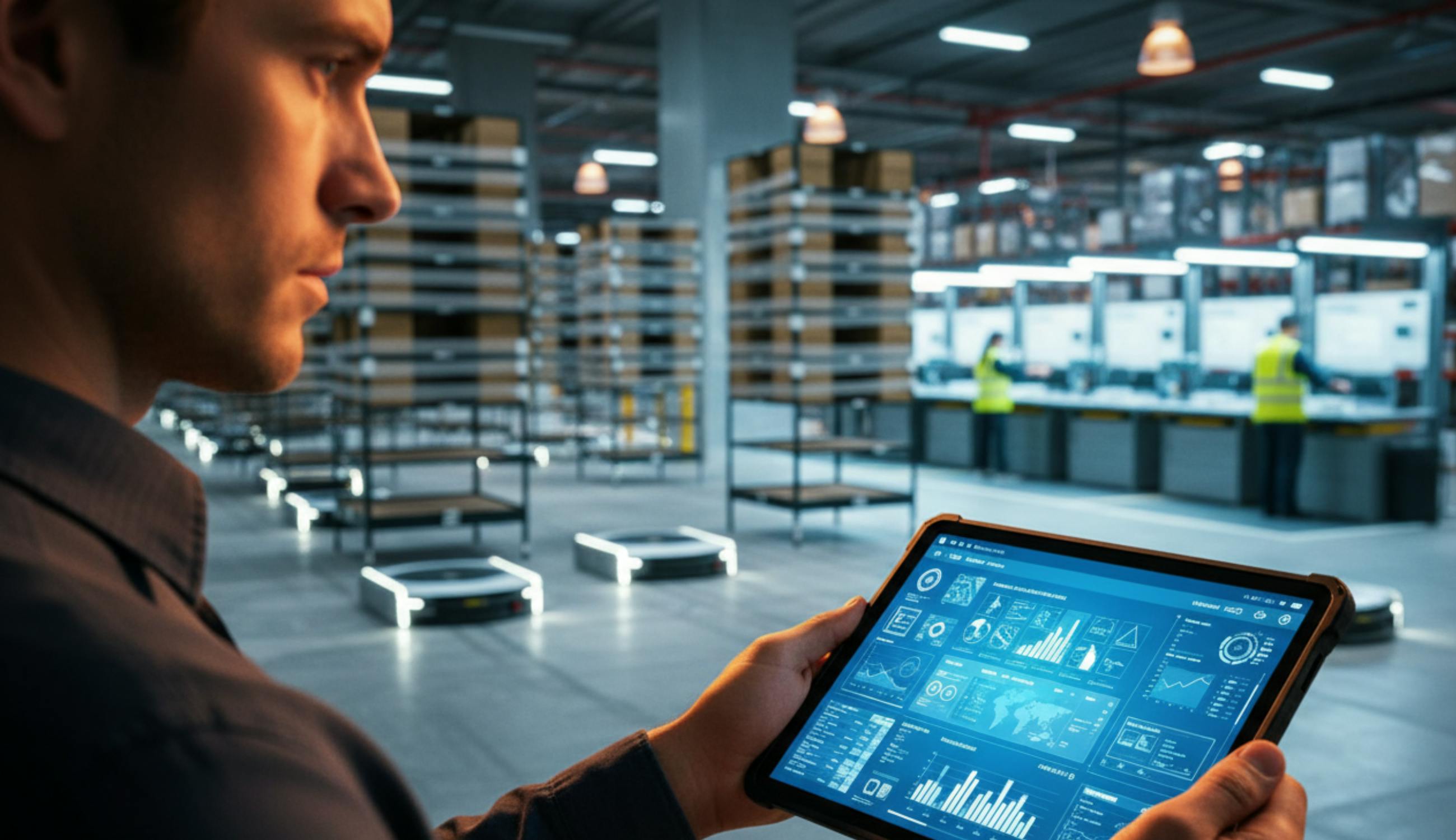
Bridging two fundamentally different order flows within one operation requires more than a good warehouse layout. It requires a connected technology stack where each component shares data in real time.
Warehouse Management System (WMS) controls all in-warehouse operations — stock locations, pick paths, packing rules, wave planning, and shipment staging. An advanced WMS handles multiple order profiles simultaneously, directing piece picks for B2C alongside case picks and pallet builds for B2B within the same facility.
Order Management System (OMS) acts as the central hub, aggregating orders from every channel, applying business rules for routing and prioritization, and providing end-to-end visibility from order placement to delivery confirmation.
Transportation Management System (TMS) optimizes carrier selection and shipping methods across parcel, LTL, and FTL modes. For businesses operating across borders, TMS also manages customs documentation and landed cost calculations.
API and Platform Integrations connect the fulfillment operation to e-commerce platforms (Shopify, WooCommerce, Magento), marketplaces (Amazon, eBay, Trendyol), ERP systems (SAP, Oracle, NetSuite), and B2B order portals. These integrations automate the entire data flow from order capture to inventory updates, eliminating manual entry and reducing errors.
Key Advantages of Combining B2C and B2B Under One Omnichannel Fulfillment Operation
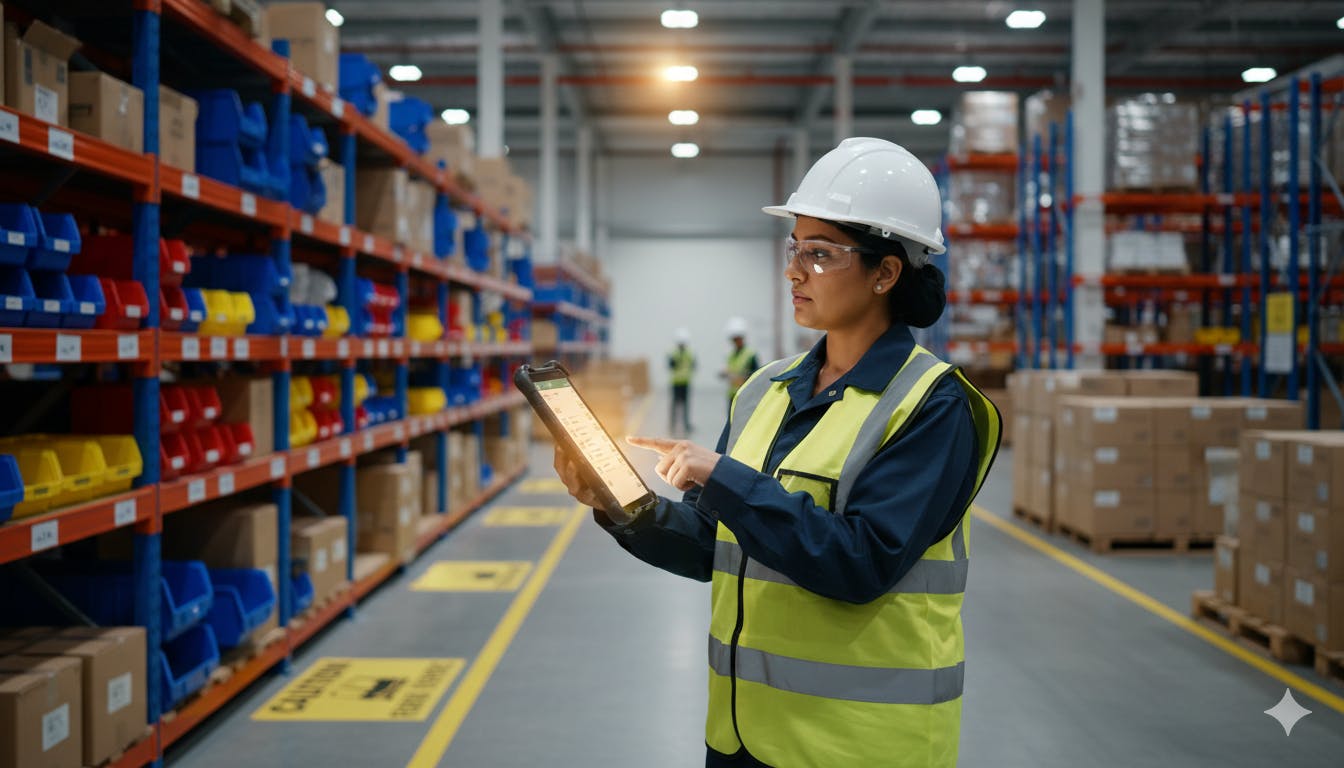
Businesses that consolidate their B2C and B2B fulfillment into a single omnichannel operation unlock several significant advantages:
- Reduced inventory costs: A single stock pool eliminates the need for channel-specific safety stock, reducing total inventory investment while improving availability across all channels. Controlling fixed costs is especially critical during periods of economic uncertainty. For strategies on converting fixed logistics costs into variable expenses, our guide on fixed cost management with pay-as-you-go models offers a practical framework.
- Lower operational overhead: Shared warehouse infrastructure, shared labor, and shared technology across both B2C and B2B reduce per-order fulfillment costs compared to running parallel operations.
- Faster response to demand shifts: When B2C demand surges during a sales event, inventory that would otherwise sit allocated to B2B can be dynamically redirected — and vice versa. This agility is only possible with unified inventory.
- Improved customer experience across channels: Real-time inventory visibility ensures accurate stock information on every channel. B2C customers see reliable availability; B2B clients get instant access to stock levels through their portal. This transparency drives trust and repeat business.
- Scalability without complexity: Adding a new sales channel, entering a new market, or onboarding a new retail partner doesn't require building a new fulfillment workflow from scratch. The existing omnichannel infrastructure absorbs new channels with minimal marginal effort. Flexible fulfillment models directly impact profitability — our analysis on improving P&L through flexible fulfillment details how this works in practice.
- Data-driven decision making: Consolidated data from all channels enables more accurate demand forecasting, better inventory planning, and deeper customer behavior insights than siloed channel data ever could.
How to Choose an Omnichannel Fulfillment Partner for B2C and B2B

Selecting the right 3PL partner to handle both B2C and B2B order flows requires evaluating capabilities that go beyond basic warehousing and shipping.
Technology depth: Does the provider operate an integrated WMS, OMS, and TMS? Can they offer real-time dashboards, API-first integrations with your sales channels, and automated workflows for both order types? The technology stack is the single biggest determinant of omnichannel fulfillment quality.
Proven B2B experience: Many fulfillment providers excel at B2C e-commerce but lack the operational muscle for B2B — EDI compliance, retailer routing guides, pallet-level accuracy, and specialized documentation. Verify that your partner has demonstrated B2B fulfillment track records.
Flexible pricing model: Long-term fixed contracts with minimum commitments create risk, especially for businesses with seasonal demand fluctuations. Pay-as-you-go pricing models align fulfillment costs directly with order volume, protecting cash flow and eliminating idle capacity charges.
Scalability and geographic reach: As your business grows or enters new markets, your fulfillment partner should scale with you. Multi-location fulfillment networks, cross-border capabilities, and the infrastructure to handle volume spikes without service degradation are essential. For a comprehensive view of omnichannel logistics across channels and geographies, our guide on omnichannel e-commerce logistics covers the full picture.
Returns and reverse logistics: Evaluate how the provider handles returns for both B2C and B2B — processing speed, quality inspection, restocking efficiency, and data reporting on return reasons. Strong reverse logistics directly impacts both customer satisfaction and inventory recovery.
2026 Outlook: The Convergence of B2C and B2B Fulfillment
The trend toward unified B2C and B2B fulfillment is accelerating in 2026. B2B buyers now expect the same speed, transparency, and digital-first experience they're accustomed to as consumers. Self-service portals with real-time stock visibility, automated reordering, and same-week delivery are becoming the baseline — not the differentiator.
This shift is driving structural changes in how fulfillment operations are designed. AI-powered demand forecasting, robotic warehouse automation, and cloud-native fulfillment platforms are enabling a new generation of fulfillment centers that handle both B2C and B2B without operational compromise.
For a deeper dive into the trends reshaping B2B commerce this year, our analysis of 2026 B2B e-commerce trends maps out where the market is heading.
Conclusion: Unified Fulfillment Is No Longer Optional
The question is no longer whether businesses should unify their B2C and B2B fulfillment — it's how quickly they can get there. Customer expectations on both sides are converging. Individual consumers demand speed and convenience.
Business buyers now expect the same digital-first transparency and flexibility. Fulfillment operations that treat these as separate problems are leaving efficiency, margin, and customer loyalty on the table.
Omnichannel fulfillment services that genuinely support both B2C and B2B order flows share a common thread: they are built on integrated technology, flexible operations, and a pricing model that scales with actual demand rather than locking businesses into rigid commitments.
Unified inventory eliminates waste. Shared infrastructure lowers unit costs. Connected systems provide the real-time visibility that both consumers and business clients now consider non-negotiable.
The right fulfillment partner doesn't just move boxes — they become an operational extension of your business, capable of adapting as your channel mix evolves, your markets expand, and your order profiles shift between B2C and B2B.
Choosing that partner based on technology depth, proven multi-channel experience, and genuine flexibility is one of the highest-leverage decisions a growing business can make.
Whether you're a brand scaling from D2C into wholesale, a manufacturer adding an e-commerce channel, or a retailer expanding into cross-border markets, the ability to serve every customer — individual or corporate — from a single, intelligent fulfillment operation is what separates the businesses that grow from those that stall.
Frequently Asked Questions (FAQ)