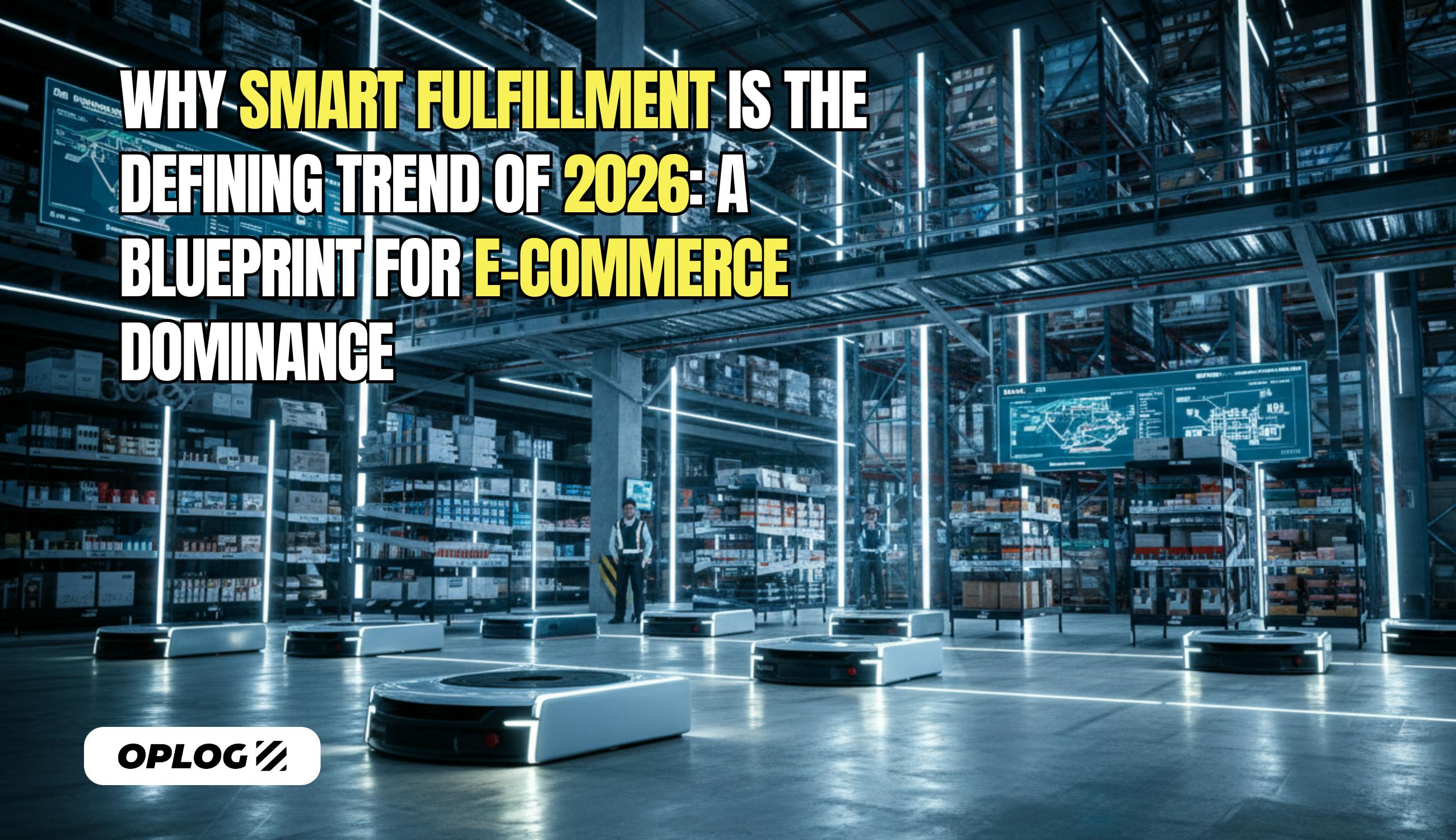
Why Smart Fulfillment is the Defining Trend of 2026: A Blueprint for E-Commerce Dominance
Smart fulfillment is no longer just a buzzword; it is the invisible engine that will separate the market leaders from the forgotten brands as we approach 2026.
If you are operating in the high-stakes world of e-commerce, you know that the "buy" button is only the beginning of the journey. What happens after the click—the complex dance of picking, packing, and shipping—is where customer loyalty is either won or lost forever.
In this deep dive, we are going to explore what fulfillment truly means for modern businesses, analyze the pivotal shifts of 2025, and break down the five non-negotiable trends that will define the logistics landscape of tomorrow.
We will cover everything from the rise of autonomous robotics and the financial liberation of Pay-As-You-Go models to the critical importance of hyper-connected integrations. Buckle up; we are about to upgrade your operational mindset.
What Does Fulfillment Actually Mean for E-Commerce?
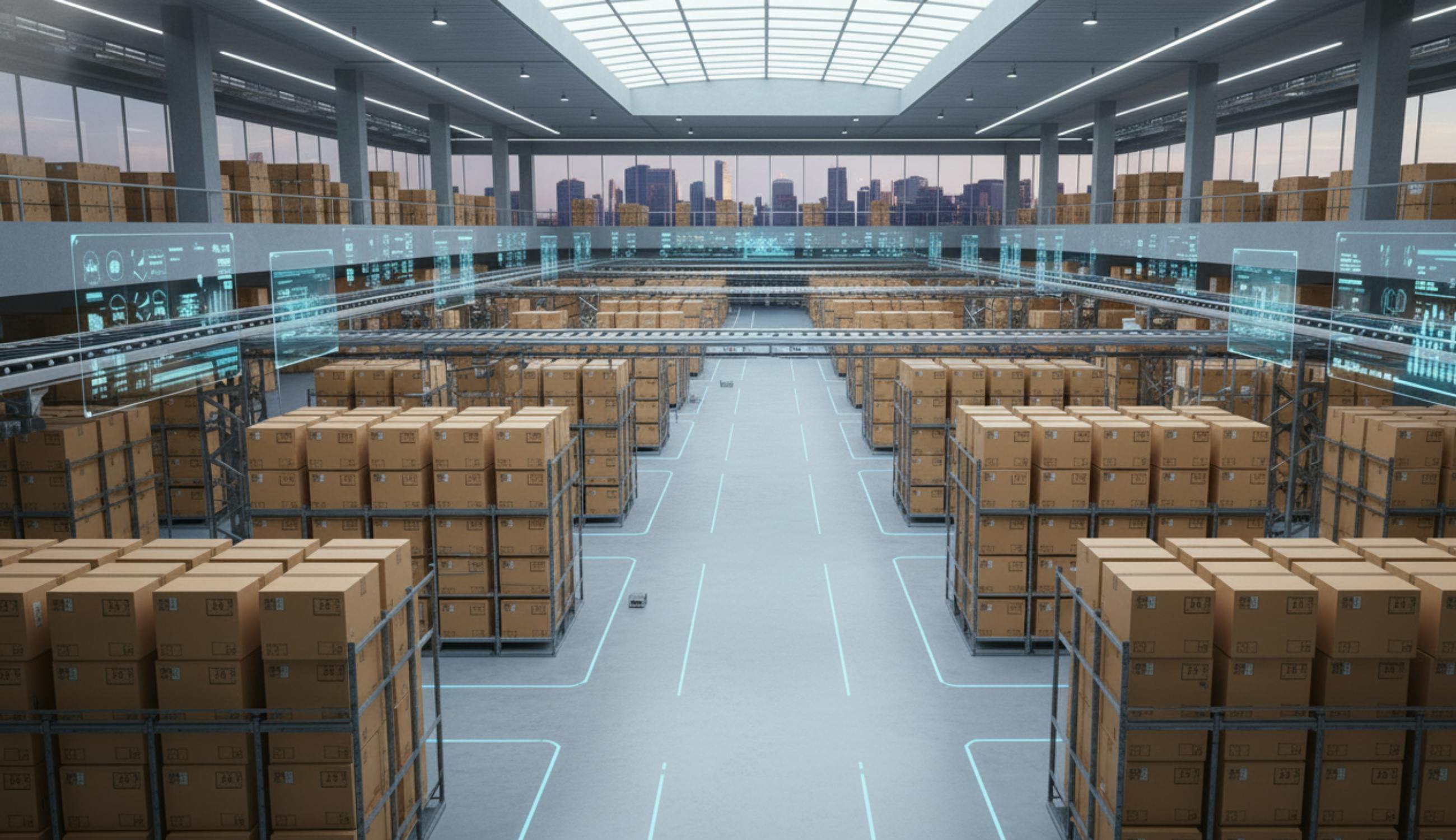
At its core, fulfillment is the promise you make to your customer. It is the physical execution of a digital transaction. However, in the modern era, defining it simply as "shipping" is a dangerous oversimplification.
For an ambitious e-commerce brand, fulfillment is a multi-layered ecosystem. It encompasses the receiving of stock from manufacturers, the strategic organization of inventory within a warehouse, the precision of picking items when an order drops, the art of packing to ensure safety and branding, and finally, the handover to carriers for delivery.
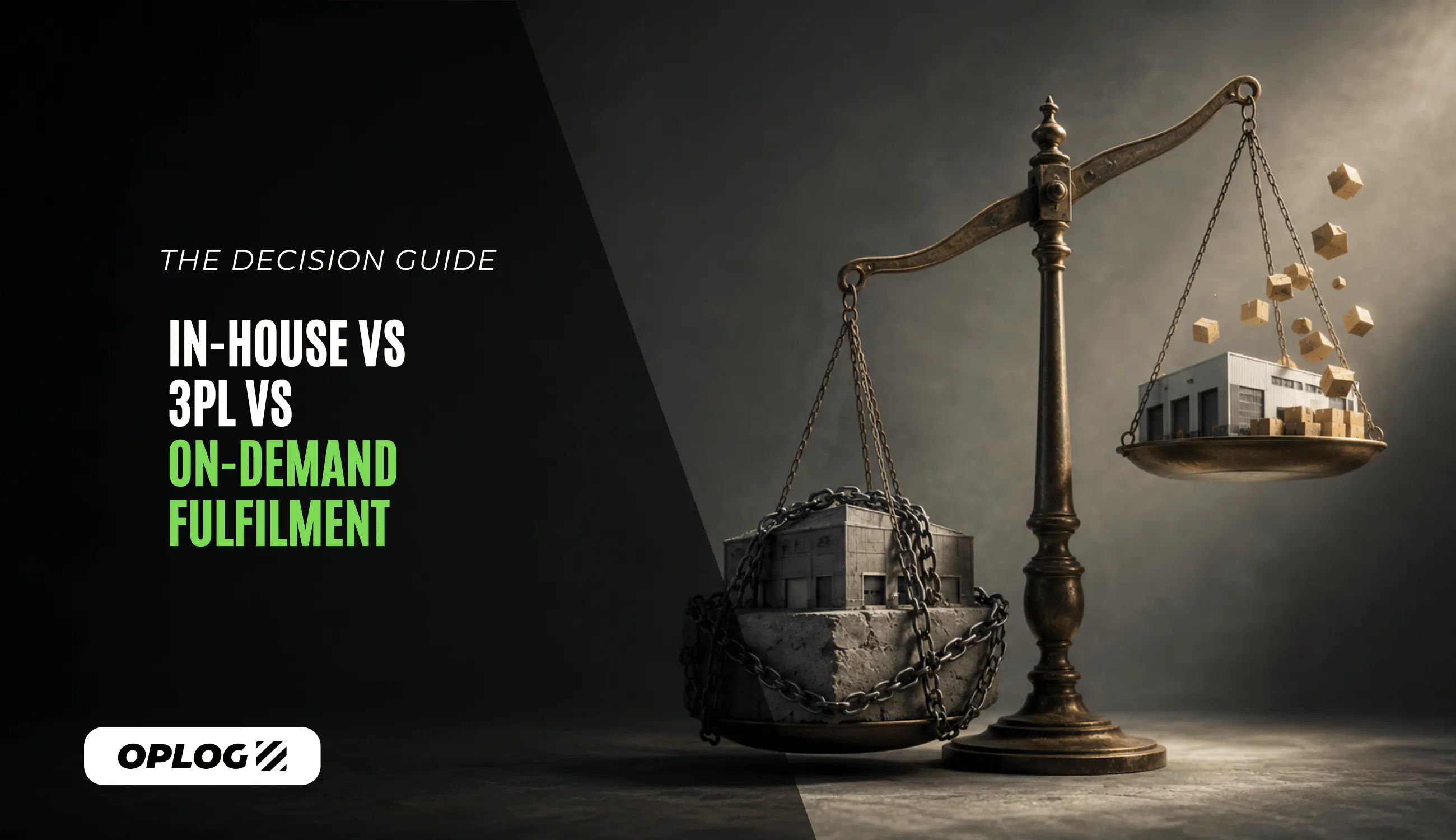
Traditionally, businesses had two choices: manage this chaos in-house (drowning in boxes and tape) or outsource to a traditional 3PL (Third-Party Logistics) provider. But as we look toward 2026, the definition has evolved. It’s about data, speed, and adaptability. It’s about transforming your supply chain from a cost center into a growth asset.
Reflecting on 2025: The Year Efficiency Became King
To understand where we are going, we must look at the road we just traveled. 2025 was a watershed year for the e-commerce fulfillment services market. According to global market analysis, the sector experienced unprecedented growth driven by a few key factors.
As noted in reports by Precedence Research, the surge in internet penetration and the normalization of cross-border shopping pushed existing infrastructures to their breaking point. 2025 was the year "fast" became "standard." Customers stopped viewing next-day delivery as a perk and started demanding it as a basic right.
Furthermore, 2025 saw a massive consolidation of technology. The operational gap between tech-enabled providers and traditional logistics firms widened significantly.
Brands that stuck to manual spreadsheets and rigid contracts struggled to keep up with the volatility of consumer demand, while those who embraced digital-first partners thrived. This sets the stage for 2026—a year where only the "smartest" operations will survive.
Here are the 5 trends that will define this new era.
1. The Age of Silicon Collars: Robotics and AI

The warehouse of the past was a place of frantic human activity, with people walking miles a day to retrieve items. The warehouse of 2026 is a symphony of silence and efficiency, conducted by Artificial Intelligence.
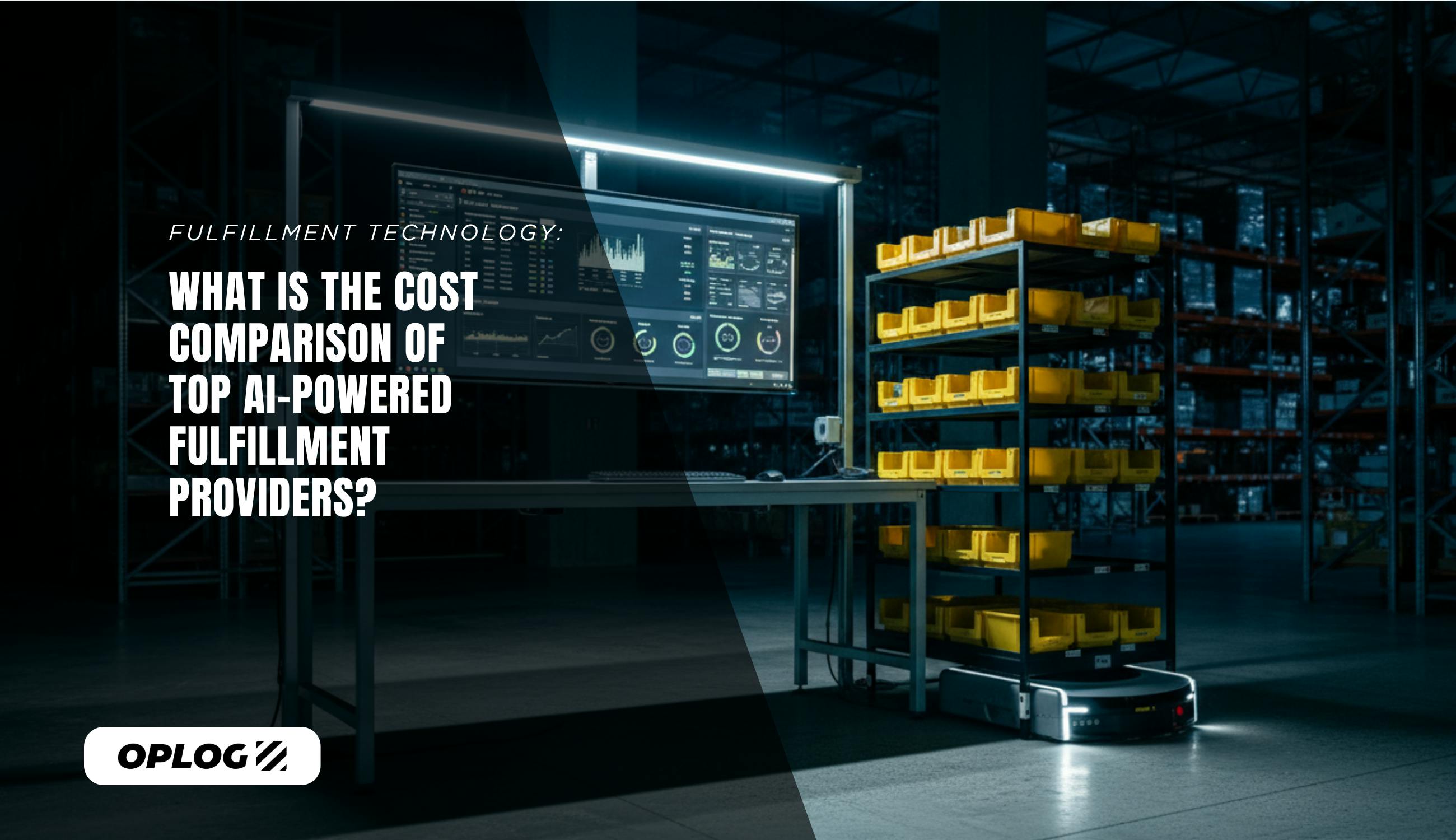
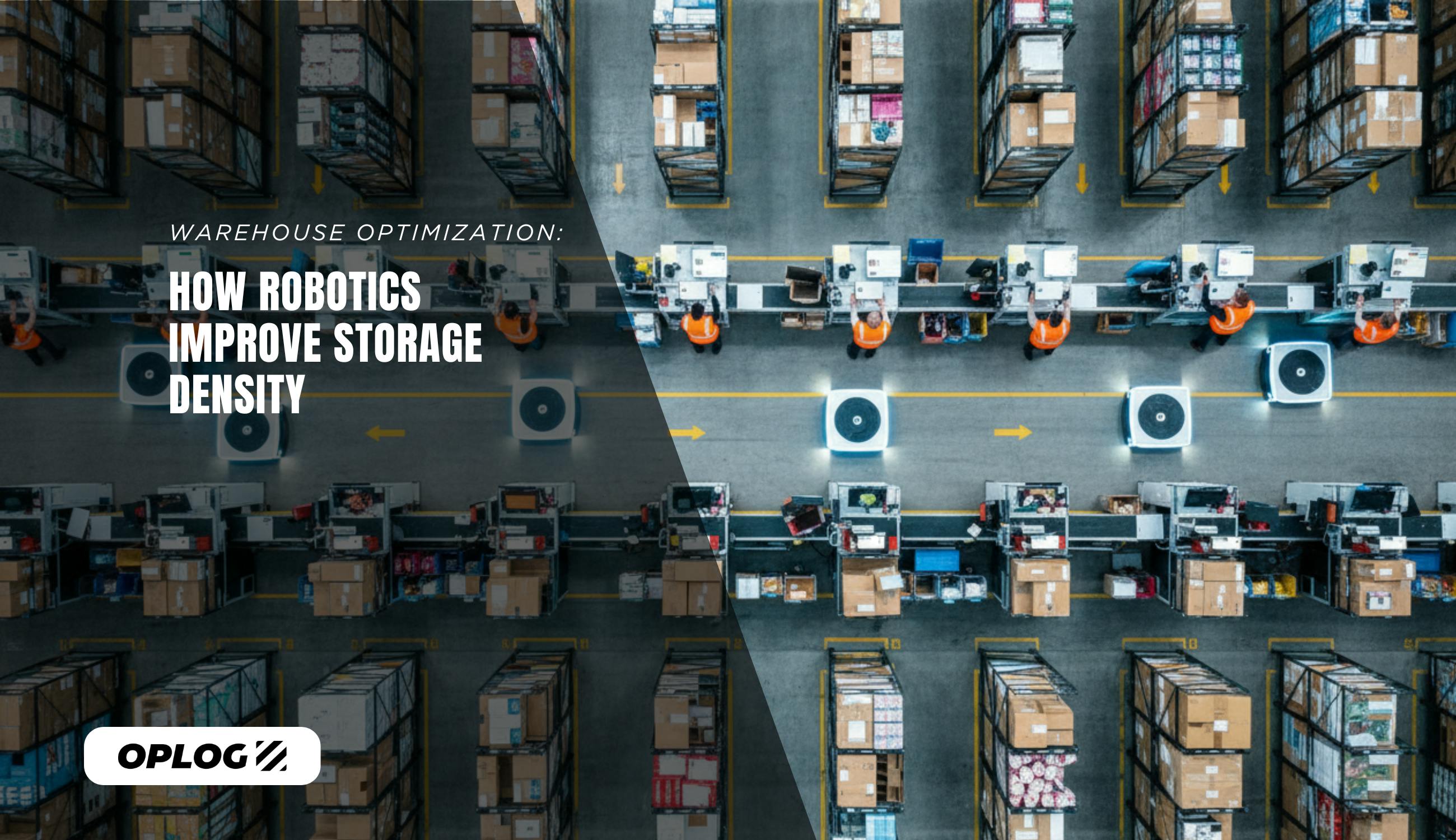
The integration of robotics into fulfillment operations is the most significant leap forward in supply chain history. AI algorithms can now predict order spikes before they happen, optimizing slotting strategies in real-time. But it goes beyond software. Hardware—autonomous mobile robots (AMRs)—is redefining physical throughput.
Why is this trending? Because human error is inevitable, but robotic precision is engineered. In an era where a single wrong item can lead to a negative viral review, accuracy is paramount. Robotics allow for 24/7 operations without fatigue, handling complex SKU counts that would paralyze a manual workforce.
The OPLOG Advantage: TARQAN
This is where we don't just follow the trend; we build it. At OPLOG, we recognized that generic robots weren't enough. That’s why we developed TARQAN, our proprietary fulfillment robot.
Unlike off-the-shelf solutions, TARQAN is born from fulfillment data. It enables us to maximize vertical storage space and increase picking speed by over 300% compared to manual operations.
With TARQAN, we offer enterprise-grade robotic precision to brands of all sizes, ensuring that your smart fulfillment strategy is powered by the most advanced technology on the floor.
2. The Death of Fixed Costs: On-Demand Fulfillment (PAYG)
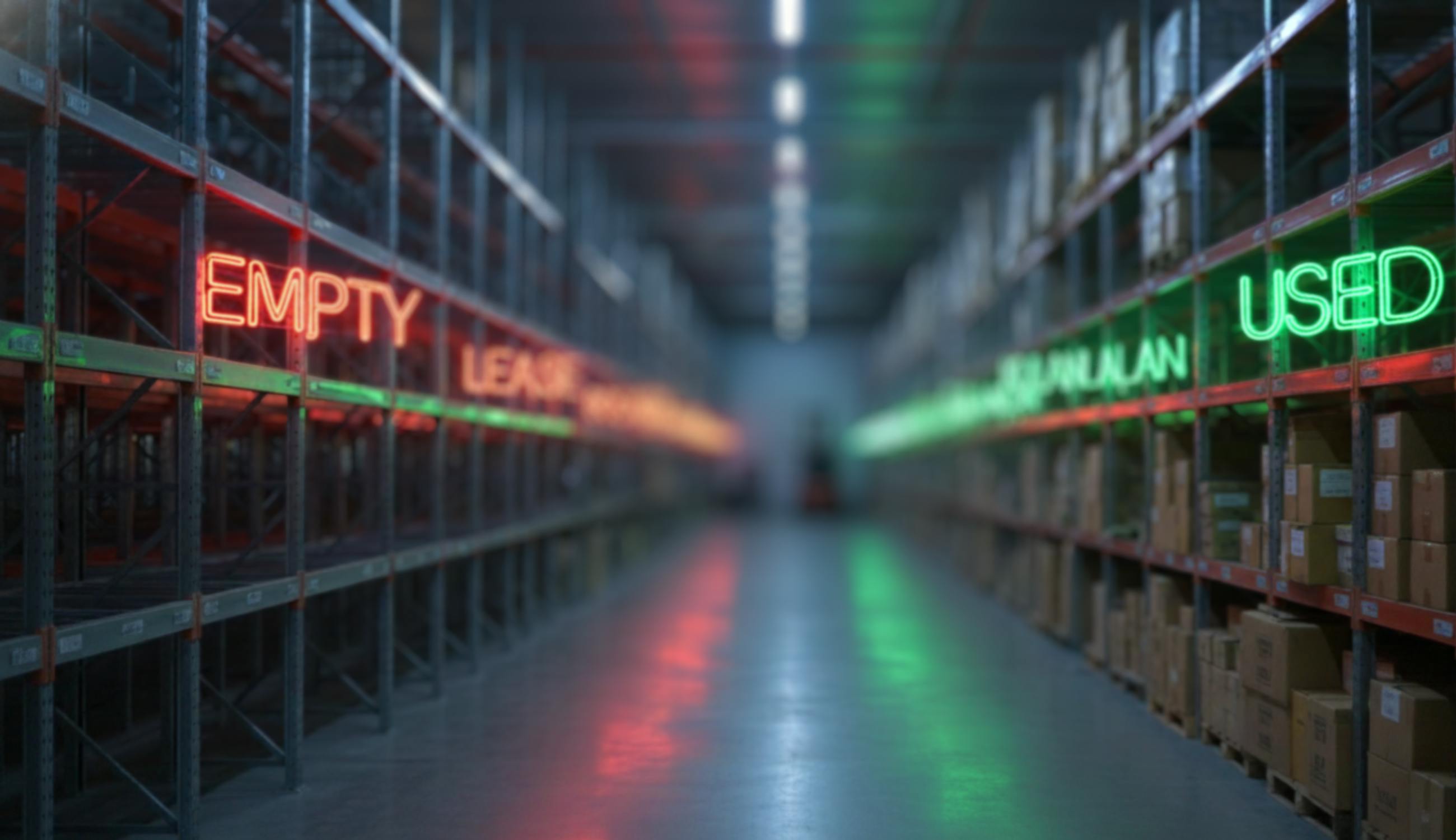
For decades, the logistics industry held businesses hostage with rigid, long-term contracts. You had to predict your volume months in advance, pay for shelf space you didn't use during quiet months, and struggle for extra space during peak seasons.
2026 marks the definitive end of this rigid model. The trend is moving aggressively toward On-Demand Fulfillment, underpinned by a Pay-As-You-Go (PAYG) financial structure. In a volatile economic climate, flexibility is the ultimate currency. Businesses can no longer afford to have capital tied up in empty warehouse space or idle labor.
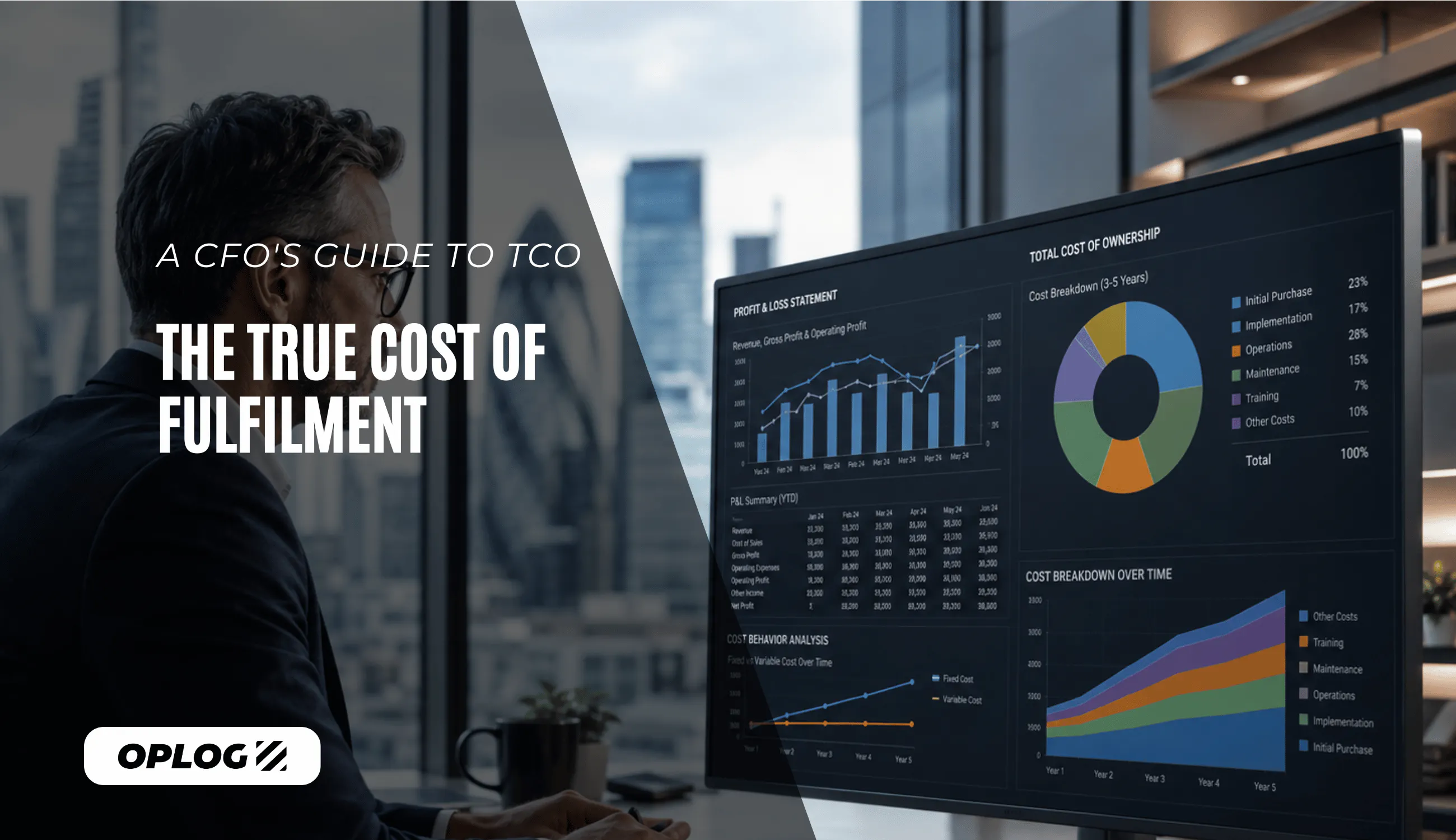
This shift allows companies to convert fixed logistics costs into variable expenses that align perfectly with their revenue. When you sell more, you pay for the work done. When you sell less, your costs drop instantly. This dynamic is crucial for survival and growth. For a deeper understanding of how this financial shift impacts your bottom line, it is essential to look at how flexible fulfillment improves your P&L.
The OPLOG Advantage: True PAYG
We championed this model before it was a trend. Our approach to logistics fixed cost management is radical transparency. OPLOG offers a genuine PAYG model with no hidden minimums or long-term lock-ins.
Whether you are an SMB testing the waters or an Enterprise dealing with massive seasonal spikes, our customer-agnostic architecture allows us to scale your resources up or down instantly. You get the operational backbone of a giant without the rigidity of a legacy 3PL.
3. Radical Visibility: Smart Stock Tracking
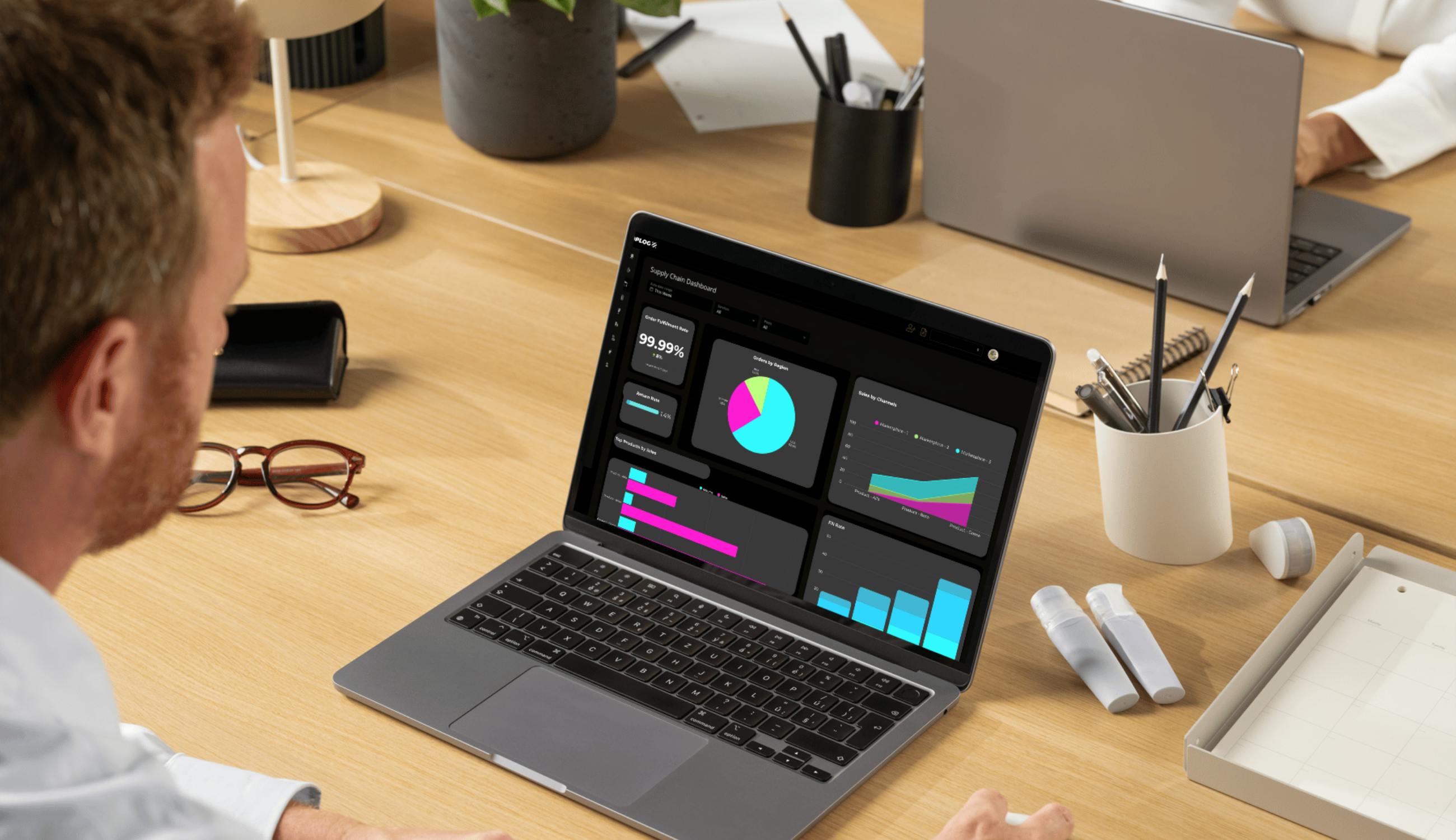
In the past, "inventory management" meant counting boxes once a month. In 2026, it means knowing exactly where every single SKU is in real-time, across multiple borders and channels.
Stock outs are the silent killers of e-commerce growth. Conversely, overstocking burns cash that could be used for marketing. The trend is "Inventory Intelligence"—systems that not only track quantity but analyze velocity, predict reorder points, and suggest stock distribution based on geographical demand.
This level of granularity is essential, especially as B2B e-commerce trends for 2026 indicate a shift toward more complex, high-volume transactions that require flawless synchronization.
Furthermore, accurate inventory management is the foundation of trust. If your website says "in stock," but your warehouse can't find it, you lose a customer for life. Recognizing the importance of inventory management is the first step toward operational maturity.
The OPLOG Advantage: OPLOG ONE
We don't believe in black boxes. OPLOG ONE is our unified proprietary platform that puts the entire fulfillment operation in your pocket. It integrates seamlessly with our WMS (Warehouse Management System) to give you a "God-mode" view of your inventory.
From tracking expiration dates for beauty products to managing serial numbers for electronics, OPLOG ONE provides the data visualization you need to make smart decisions, not guesses.
4. The Unboxing Experience: Personalization at Scale
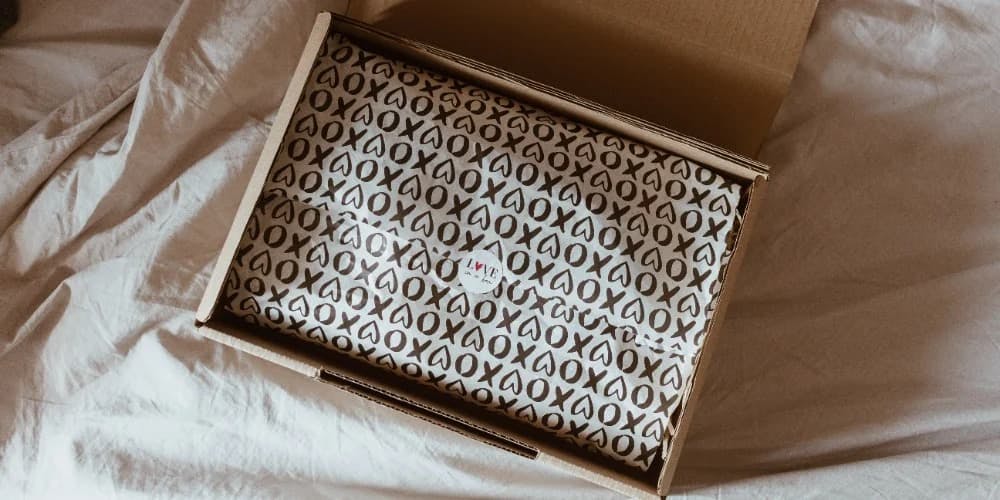
In a digital-first world, the fulfillment package is often the only physical touchpoint a customer has with a brand. 2026 is the year the "brown box" officially retires.
Personalization is trending because customer acquisition costs (CAC) are skyrocketing. Retention is the new growth. A memorable unboxing experience—custom tissue paper, branded stickers, personalized thank-you notes, or specialized kitting—turns a routine delivery into an Instagrammable moment. This emotional connection drives loyalty.
However, personalization extends beyond the initial delivery. It also covers the reverse journey. A seamless returns process is part of the customer experience. Smart brands are learning how to transform returns from a cost center to a loyalty engine, using data to understand why items come back and how to make the process painless for the consumer.
The OPLOG Advantage: Value-Added Services (VAS)
Our operations are designed to be an extension of your brand. Because we utilize high-tech workstations and flexible labor pools, we can execute complex personalization instructions that traditional 3PLs refuse to touch. We treat every package as a brand ambassador.
5. Hyper-Connectivity: Integrations and Distributed Warehousing
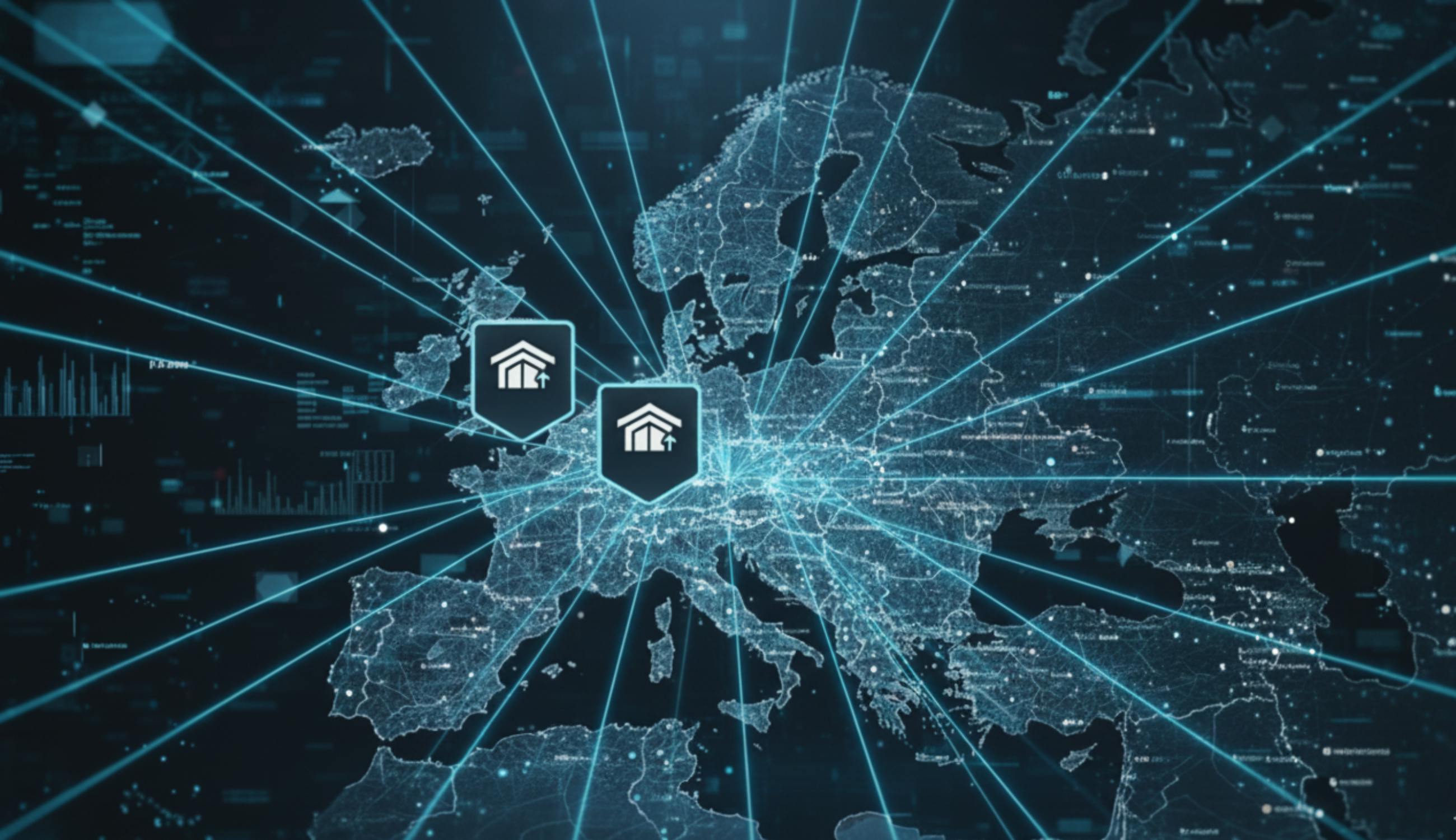
The final trend is the death of the silo. In 2026, your fulfillment provider cannot exist in a vacuum. It must be a hyper-connected node in a larger network.
This involves two layers. First, digital integration. Your fulfillment software must talk to Shopify, WooCommerce, Amazon, eBay, and your ERP simultaneously. Data flow must be instant. Second, physical distribution. Relying on a single warehouse is a risk strategy.
The trend is toward distributed warehousing—placing stock closer to the end consumer to reduce shipping zones, cut costs, and speed up delivery.
This concept of utilizing customer-agnostic distribution centers allows brands to leverage a network of facilities without owning them, optimizing delivery routes dynamically.
The OPLOG Advantage: The Fulfillment Network
We have built a seamless tech stack that offers plug-and-play integrations with major global platforms. But more importantly, we back this up with a physical network spanning Turkey, the UK, and Germany (and growing).
This allows our partners to execute a multi-market strategy from day one. You can sell in Berlin, London, and Istanbul simultaneously, managing it all from a single dashboard, with stock positioned strategically to ensure next-day delivery in key markets.
Conclusion: The Future is Smart, Flexible, and Robotic
As we look toward 2026, the message is clear: the era of manual, rigid, and opaque logistics is over. Smart fulfillment is the new standard. It combines the precision of robotics, the financial freedom of PAYG, the insight of real-time data, and the reach of a distributed network.
You are building a brand for the future; don't let your logistics be stuck in the past. It’s time to partner with a fulfillment provider that is as tech-forward and ambitious as you are.
Ready to future-proof your operations? Discover how OPLOG can transform your fulfillment strategy today.