Product bundling has become one of the most effective strategies for ecommerce brands looking to increase revenue and improve customer satisfaction. At the heart of this strategy lies kitting boxes. This process transforms individual products into ready-to-ship packages that delight customers and streamline operations.
When kitting is done manually, it is prone to errors. Mistakes in picking, packing, and assembly can lead to customer complaints, returns, and damaged brand reputation. Modern ecommerce logistics solutions address these challenges through automation and intelligent warehouse management systems.
This guide explores everything you need to know about kitting boxes. You will learn what kitting means, how it benefits your business, and how to implement it effectively with the right 3PL services partner.
What Is Kitting in Ecommerce Fulfillment?

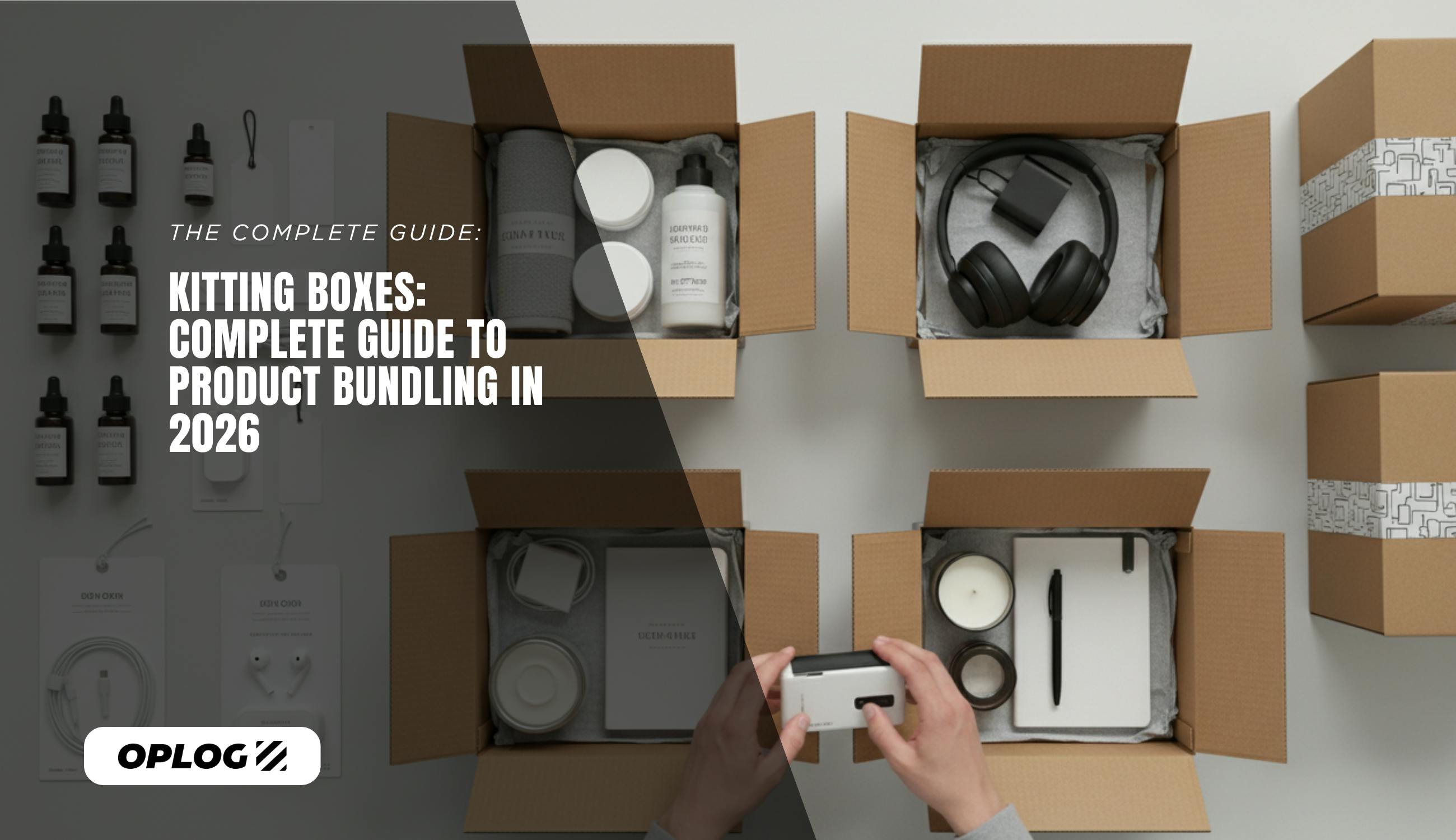
Kitting is the process of combining multiple individual products into a single package. The assembled package receives a unique SKU and ships as one unit. This approach simplifies inventory tracking, speeds up order fulfillment, and creates better unboxing experiences for customers.
Think of purchasing a new smartphone. It arrives with a charger, cable, and documentation neatly arranged in one box. That is kitting in action. The manufacturer assembled these items into a cohesive package before shipment rather than sending each component separately.
In ecommerce warehouse operations, kitting involves gathering items from different storage locations and assembling them into predetermined sets. The finished kits are then stored as single units ready for immediate dispatch when orders arrive. This warehouse pack approach significantly reduces the time between order placement and shipment.
Common Types of Kitting Boxes
Subscription Boxes
Subscription box services rely heavily on kitting. These businesses curate products around themes or customer preferences. Beauty boxes, snack boxes, and hobby boxes all use kitting to create exciting monthly deliveries. Each box contains carefully selected items arranged to maximise the unboxing experience.
The subscription model has grown tremendously among D2C brands UK and globally. Success in this space depends on consistent, high-quality kit assembly that maintains brand standards across thousands of shipments.
Product Bundles
Retailers create product bundles by combining complementary items. A skincare brand might bundle cleanser, toner, and moisturiser as a complete routine. Electronics retailers often bundle devices with accessories like cases, screen protectors, and cables. These bundles provide convenience for customers while increasing average order values for brands.
Research shows that customers who purchase bundles have 2.7 times higher lifetime value compared to single-item buyers. Bundles also introduce shoppers to products they might not have discovered otherwise.
Gift Sets
Holiday seasons drive significant demand for gift sets. Kitting allows brands to create beautifully packaged gift options with custom packaging that requires no additional wrapping. These ready-to-give packages command premium prices and drive seasonal sales spikes.
Promotional Kits
Marketing campaigns often involve promotional kits sent to influencers, media, or loyal customers. These kits contain product samples, branded merchandise, and marketing materials assembled into impressive packages that generate social media buzz and brand awareness.
Key Benefits of Kitting for Ecommerce Brands

Faster Order Fulfillment
Pre-assembled kits eliminate picking time for multiple items. Warehouse staff grab one SKU instead of searching for several products across different locations. This efficiency becomes especially valuable during peak seasons when order volumes surge.
Brands that struggle with managing logistics fixed costs during busy periods find that kitting helps maintain consistent fulfillment speeds without proportionally increasing labour costs. The pay-as-you-go model combined with efficient kitting creates predictable operational expenses regardless of volume fluctuations.
Reduced Picking Errors
Manual picking introduces error risks at every step. Workers might select wrong sizes, forget items, or damage products during assembly. Kitting reduces these touchpoints significantly. When kits are pre-assembled and quality-checked, the fulfillment process involves handling just one verified unit.
Order accuracy rates improve dramatically with proper kitting processes. Studies show that automated kitting operations achieve 99.9% accuracy compared to 97-98% for manual picking of individual items. This difference might seem small, but at scale it represents thousands of prevented customer complaints annually.
Lower Shipping Costs
Combining items into single packages optimises dimensional weight calculations. Instead of shipping three separate boxes, one consolidated package often qualifies for better shipping rates. Custom packaging designed for specific kits further reduces wasted space and material costs.
Efficient last mile fulfilment starts with smart packaging decisions at the warehouse level. Properly kitted orders are easier to handle throughout the delivery chain, reducing damage rates and carrier surcharges.
Increased Average Order Value
Customers perceive bundles as offering better value than individual items. Product bundles can increase average order values by 20-30 percent. Bundles also introduce customers to products they might not have discovered otherwise, building loyalty and encouraging repeat purchases.
Simplified Inventory Management
Managing inventory across thousands of SKUs challenges every ecommerce operation. Kitting consolidates multiple products into single trackable units. This simplification reduces complexity in warehouse management systems and makes demand forecasting more accurate.
Proper inventory management practices become even more effective when applied to well-organised kit structures. You gain clearer visibility into component stock levels while tracking finished kits as unified products.
Challenges of Manual Kitting Operations

While kitting offers substantial benefits, manual processes create significant operational challenges that limit scalability and profitability.
Labour Intensity
Manual kitting requires dedicated staff for picking components, assembling kits, and performing quality checks. Labour costs scale linearly with volume, making seasonal peaks expensive to handle. Training new workers takes time, and consistency suffers when different people assemble the same kits.
During high-demand periods, finding qualified temporary staff becomes difficult. Quality often drops as new workers learn processes, leading to increased error rates precisely when volumes are highest.
Space Requirements
Kitting stations need dedicated floor space separate from regular storage areas. Components must be accessible, and finished kits require staging areas before storage or immediate shipment. Space constraints limit how many kits can be produced simultaneously.
Traditional warehouse layouts struggle to accommodate flexible kitting operations. Brands often choose between optimising for storage density or assembly efficiency, unable to achieve both with manual processes.
Error Rates
Human error remains unavoidable in manual operations. Missing items, incorrect quantities, and damaged products all occur despite best efforts. Each error generates customer service tickets, replacement shipments, and potential refund requests.
The true cost of errors extends beyond immediate fixes. Negative reviews, social media complaints, and lost customer lifetime value multiply the impact of each mistake.
Scalability Limitations
Manual kitting creates bottlenecks during growth phases. Doubling output requires doubling staff and potentially expanding facilities. This linear relationship between volume and resources limits profitability at scale.
Seasonal businesses face particular challenges. Building capacity for peak periods means carrying excess costs during slower months. Scaling down quickly proves equally difficult when demand drops.
How Technology Transforms Kitting Operations
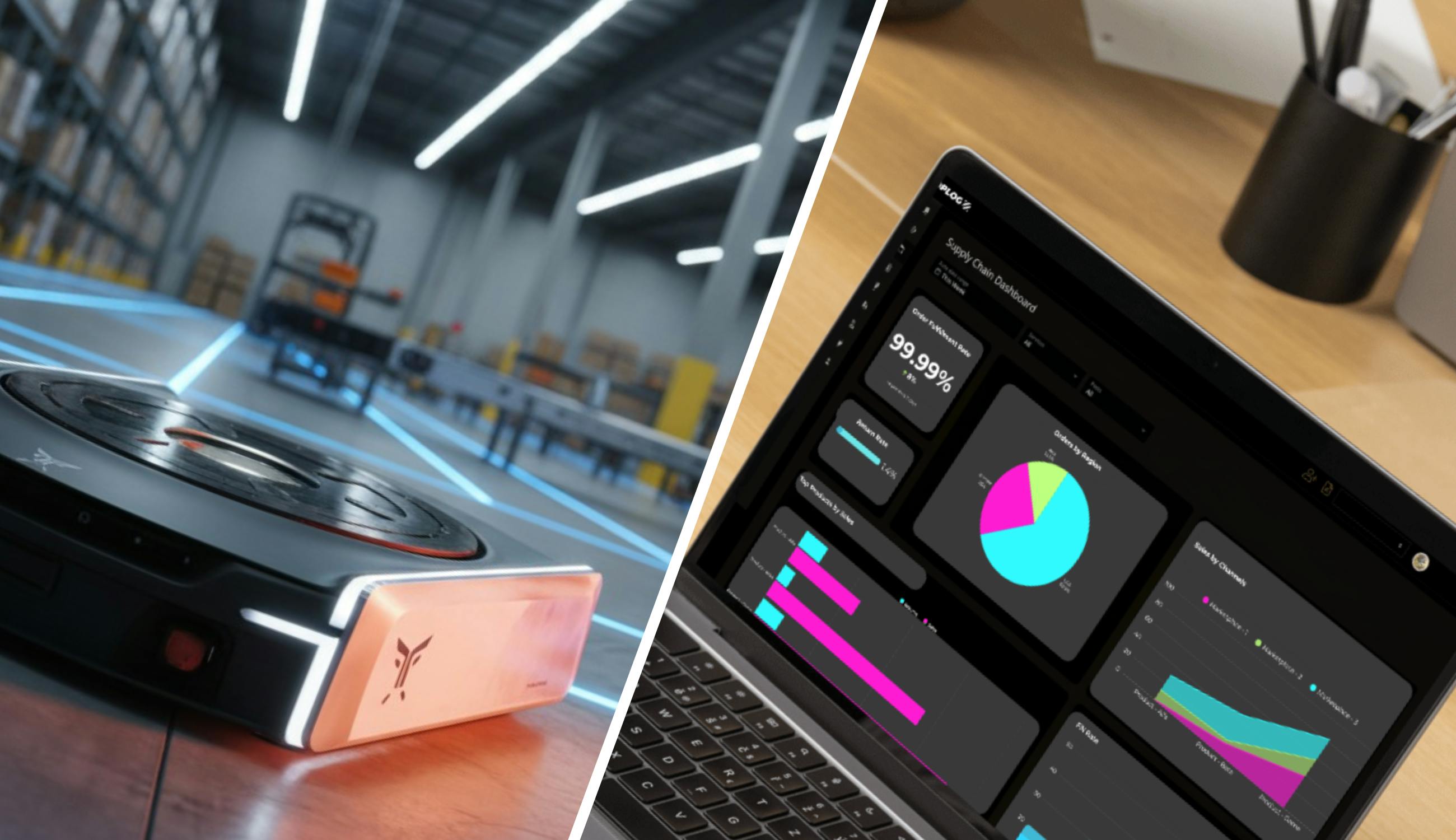
Modern fulfillment centres leverage technology to overcome manual kitting limitations. These innovations deliver consistency, speed, and accuracy that manual processes cannot match.
Warehouse Management Systems
Advanced 3PL WMS software tracks every component and finished kit in real time. The system guides workers through assembly sequences, validates completions, and triggers quality checks automatically. Integration with ecommerce platforms ensures inventory accuracy across all sales channels.
Sophisticated order management systems improve customer satisfaction by providing accurate delivery estimates and proactive status updates. When kitting operations connect seamlessly with order management, customers receive reliable information throughout their purchase journey.
Robotics and Automation
Robotics technology has revolutionised warehouse kitting. Automated systems retrieve components faster than human workers, operate continuously without breaks, and maintain consistent quality regardless of volume. AI-powered vision systems detect errors before kits leave the assembly area.
The role of robotics in fulfillment operations continues expanding as technology advances. Modern systems handle increasingly complex kitting tasks while reducing costs per unit assembled.
Leading fulfillment providers report 40-60% labour reductions through targeted automation while improving accuracy rates. These systems scale efficiently, handling volume spikes without proportional cost increases.
Barcode and RFID Tracking
Every component receives tracking identifiers that follow it through the kitting process. Scanners verify correct items at each step, flagging discrepancies immediately. RFID technology enables hands-free tracking that speeds throughput without sacrificing accuracy.
Real-time tracking connects physical operations with digital inventory systems. Stock levels update automatically as kits are assembled, preventing overselling and enabling accurate availability displays on ecommerce platforms.
Best Practices for Implementing Kitting
Successful kitting programs require thoughtful planning and execution. These best practices help brands maximise the benefits while avoiding common pitfalls.
Analyse Purchase Patterns
Study historical order data to identify products frequently purchased together. These natural combinations make ideal bundling candidates. Look for complementary items that enhance each other's value when packaged together.
Customer feedback provides additional insights. Survey buyers about desired combinations and pain points with current offerings. This research informs kit designs that genuinely address customer needs.
Design for Efficiency
Consider assembly requirements when designing kit contents. Components should fit together logically without complex positioning requirements. Custom packaging designed specifically for kit contents reduces assembly time and ensures consistent presentation.
Test assembly processes before committing to large-scale production. Time each step, identify potential error points, and refine procedures. Small improvements in per-kit efficiency multiply significantly at scale.
Maintain Component Inventory
Kits fail without available components. Implement minimum stock levels for all kit elements and automate reorder triggers. Buffer stock protects against supply chain disruptions that could halt kit production entirely.
Balance component inventory against finished kit storage. Assembling kits too far in advance ties up capital and risks damage to finished products. Produce based on demand forecasts with appropriate lead times.
Implement Quality Controls
Define quality standards for every kit type. Document acceptable variations and rejection criteria. Train all staff on these standards and conduct regular audits to ensure compliance.
Quality checkpoints should occur at multiple stages. Verify components before assembly, check completed kits before storage, and perform random inspections of packaged kits. Early error detection prevents downstream problems.
Partner with Technology-Enabled 3PLs
For most brands, partnering with specialised fulfillment providers delivers better results than building internal capabilities. Modern 3PL services offer sophisticated kitting infrastructure that would require massive investment to replicate internally.
Look for providers with proven order fulfillment software systems and automation capabilities. Request references from brands with similar kitting requirements. Evaluate technology platforms for ease of integration with your ecommerce systems.
Choosing the Right Fulfillment Partner for Kitting

Selecting a kitting-capable 3PL requires evaluating several critical factors beyond basic warehousing capabilities.
Technology Platform
The fulfillment centre's software must support complex kit management. Essential capabilities include component-level inventory tracking, kit SKU management, assembly workflow automation, and real-time reporting. Integration options with your ecommerce platform and order management systems are equally important.
Ask potential partners to demonstrate their ecommerce fulfillment software handling kit scenarios. Observe how the system manages component shortages, kit variations, and assembly prioritisation. Technology limitations at the fulfillment centre will constrain your kitting program's potential.
Scalability and Flexibility
Your kitting needs will evolve. Seasonal promotions, product launches, and business growth all affect requirements. Partners should accommodate volume fluctuations without long lead times or punitive pricing.
Evaluate the provider's capacity for handling peak periods. Understand their approach to scaling operations quickly. Flexible partners with pay-as-you-go models align costs with actual activity, eliminating fixed expenses during slower periods.
Quality Assurance Processes
Request detailed information about quality control procedures. How does the provider verify correct kit assembly? What systems catch errors before shipment? How are quality metrics tracked and reported?
Providers should share historical accuracy data and continuous improvement initiatives. Look for partners who treat quality as a priority rather than an afterthought.
Geographic Coverage
Kit assembly location affects delivery speed and shipping costs. Partners with strategically located fulfillment centers for small business and enterprise clients enable faster delivery to your customer base.
Consider future expansion when evaluating geographic coverage. International growth may require fulfillment presence in new markets. Partners with existing global networks simplify this expansion.
Future Trends in Kitting and Product Bundling

The kitting landscape continues evolving as technology advances and consumer expectations shift.
Personalisation at Scale
Customers increasingly expect personalised experiences. Advanced fulfillment systems enable custom kit variations based on individual preferences, purchase history, or stated needs. Mass customisation transforms kitting from standard bundles to tailored packages.
AI-driven recommendation engines suggest optimal kit contents for each customer. These smart fulfillment approaches represent the emerging trend in ecommerce logistics, where data intelligence shapes physical operations.
Sustainability Focus
Environmental concerns influence packaging choices. Brands seek kitting solutions that minimise waste through right-sized packaging, recyclable materials, and efficient consolidation. Sustainable kitting practices become competitive differentiators as consumers prioritise eco-friendly brands.
Real-Time Customisation
Emerging capabilities allow kit modifications until the latest possible moment. Customers can adjust bundle contents after ordering, and fulfillment systems adapt seamlessly. This flexibility increases customer satisfaction while reducing returns from unwanted items.
Conclusion
Kitting boxes represent a powerful strategy for ecommerce brands seeking operational efficiency and increased revenue. The process transforms individual products into valuable bundles that customers love while simplifying fulfillment operations.
Success requires moving beyond manual assembly methods that introduce errors and limit scalability. Technology-enabled kitting through automated systems and sophisticated warehouse management delivers the consistency and speed modern ecommerce demands.
Partnering with experienced 3PL providers gives most brands the fastest path to professional kitting capabilities. Look for partners with proven technology platforms, automation capabilities, and flexible pricing models that align with your business needs.
The brands that master kitting gain significant competitive advantages. Faster fulfillment, higher order values, and improved customer satisfaction combine to drive sustainable growth. Start evaluating your product mix for bundling opportunities and explore fulfillment partners who can bring your kitting vision to life.