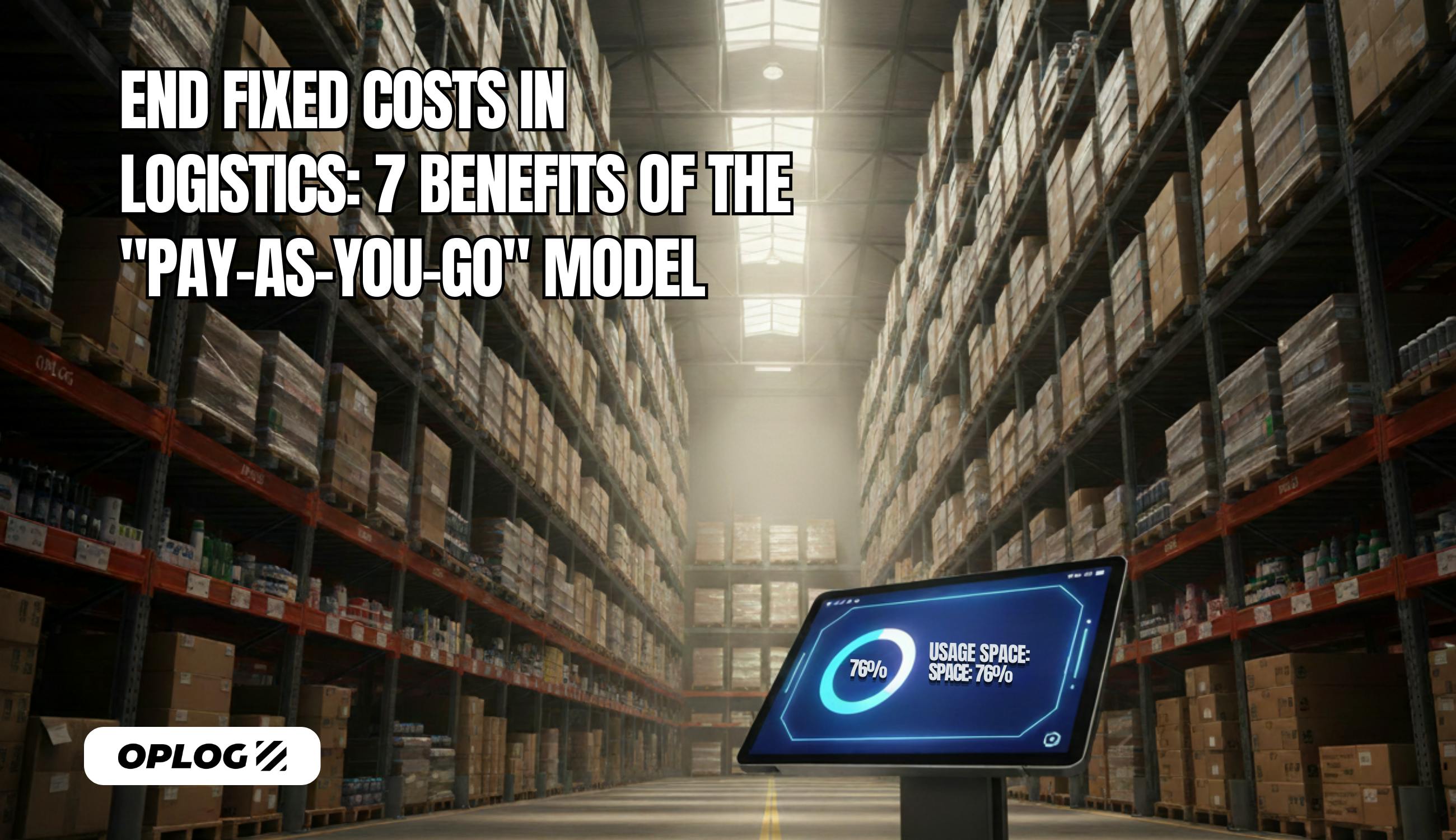
End Fixed Costs in Logistics: 7 Benefits of the "Pay-As-You-Go" Model
In this challenging economic turn that the global economy is navigating, a single agenda item echoes in the boardrooms of large-scale retail and e-commerce companies: Sustainable Profitability.
Rising raw material prices, cost pressures in production, and marketing budgets yielding lower returns every day are forcing companies to put operational efficiency under the microscope.
However, when balance sheets are examined carefully, we encounter a massive "hidden cost" center that silently erodes profitability: Logistics!
Long-term contracts made with a traditional logistics company or clunky in-house structures simply cannot respond to today's speed and uncertainty.
At this exact point, a new approach is emerging that disrupts logistics conventions globally improving financial statements (P&L): The "Pay-As-You-Go" model. This model appears as a new interpretation of 3PL logistics(third-party logistics) services.
So, why is this model a vital strategic move for corporate brands? Let's examine the operational and financial advantages of this system in depth across 7 key points.
New Dynamics and Competition in the Logistics Sector
If you ask, "What does logistics mean?", in its most basic definition, it is a supply chain management discipline covering all processes a product undergoes from manufacturer to consumer. However, today, logistics is not just moving a product from point A to point B; it is a strategic power that provides the most critical competitive advantage for companies.
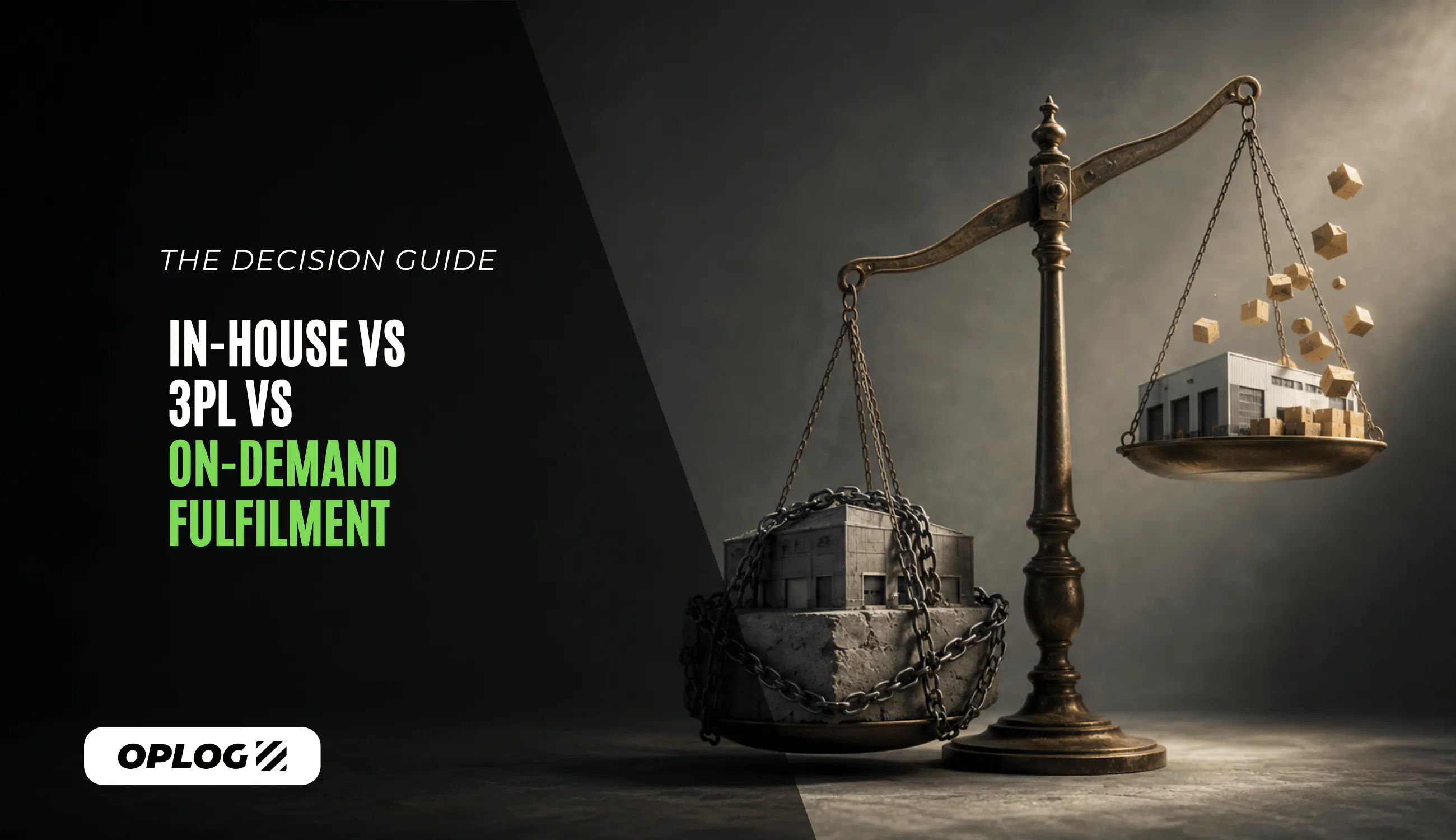
Especially with warehouse rent hikes exceeding 50% in 2024-2025 and expectations of further increases in 2026 projections, corporate structures saying "I will manage my own warehouse" have been backed into a corner. Massive in-house operations, established for years with the motivation of "let's keep control," are now turning into the biggest shackles on companies' feet due to their cumbersome structures.
3PL Logistics Services and Operational Excellence
Long-term contracts made with a traditional logistics company or clunky in-house structures cannot respond to today's speed and uncertainty. The reliability and speed the market needs cannot be achieved with old methods. Standard transportation services are no longer sufficient to meet the complex needs of Enterprise brands.
At this exact point, a new approach is emerging that disrupts logistics conventions globally and in Turkey, improving financial statements (P&L): The "Pay-As-You-Go" model. This model appears as a modern and technological interpretation of third-party logistics (3PL) services.
1. Escape the "Idle Capacity" Trap: True Dynamic Management
Fluctuation is in the nature of high-volume commerce. While your sales peak in November and December, they may dip in February or July. In the traditional logistics mindset, you are forced to rent a massive warehouse space and employ staff year-round just to meet the demand of the peak season.
The result? Perhaps for 8 months of the year, you pay rent for empty shelves and heating/lighting fees for empty spaces. This is the cost of "Idle Capacity," and it wastes your company's resources.
The "Pay-As-You-Go" model completely changes this equation. Warehouse walls become flexible for you, and your warehouse essentially turns into a smart warehouse!
The logistics space and workforce you use expand automatically when your sales increase; when your sales stagnate, your costs shrink along with your operation. In e-commerce logistics warehouse management processes, this flexibility ensures you never pay for resources you don't use. Resources are managed with smart logistics solutions that are dynamically optimized according to need.
2. Transition from Investment Cost (CAPEX) to Operating Expense (OPEX)
For a CFO, the most valuable strategy is to protect cash flow during uncertain times. Managing your own logistics operations requires heavy Capital Expenditures (CAPEX) such as building investment, racking systems, forklifts, security equipment, and technology infrastructure. These investments take up space on your balance sheet as "depreciation" and "maintenance expenses" whether you make sales or not.
New generation third-party logistics models completely transform these fixed costs into Operational Expenses (OPEX). In other words, your logistics cost becomes a predictable item that moves in parallel with your revenue.
Working with technology-focused partners like OPLOG allows you to direct your capital into marketing, product development, or expanding into new markets instead of burying it in concrete or fixtures. The modern definition of 3PL logistics service is to provide brands with this financial freedom.
3. A Future Free of Risk with "Zero Commitment"
One of the biggest misconceptions in the sector is that "Contract Logistics" is a safe harbor. However, binding contracts of 3 to 5 years are a major risk in today's volatile economy.
Traditional fulfillment giants push the entire risk onto the customer with "Minimum Order Commitments" placed in contracts. Even if business goes poorly and your order numbers drop, you are forced to pay that minimum amount.
The modern logistics understanding challenges this status quo: No Commitment!
In the Pay-As-You-Go model, there are no heavy penalty clauses or binding minimum payment obligations. Whatever your operational volume is, that is your invoice.
This model provides the maneuvering space corporate firms need in an environment of uncertainty. In a world where you don't give commitments, you don't take risks; you only pay for the logistics services you receive.
4. "Free" Access to Million-Dollar Technology
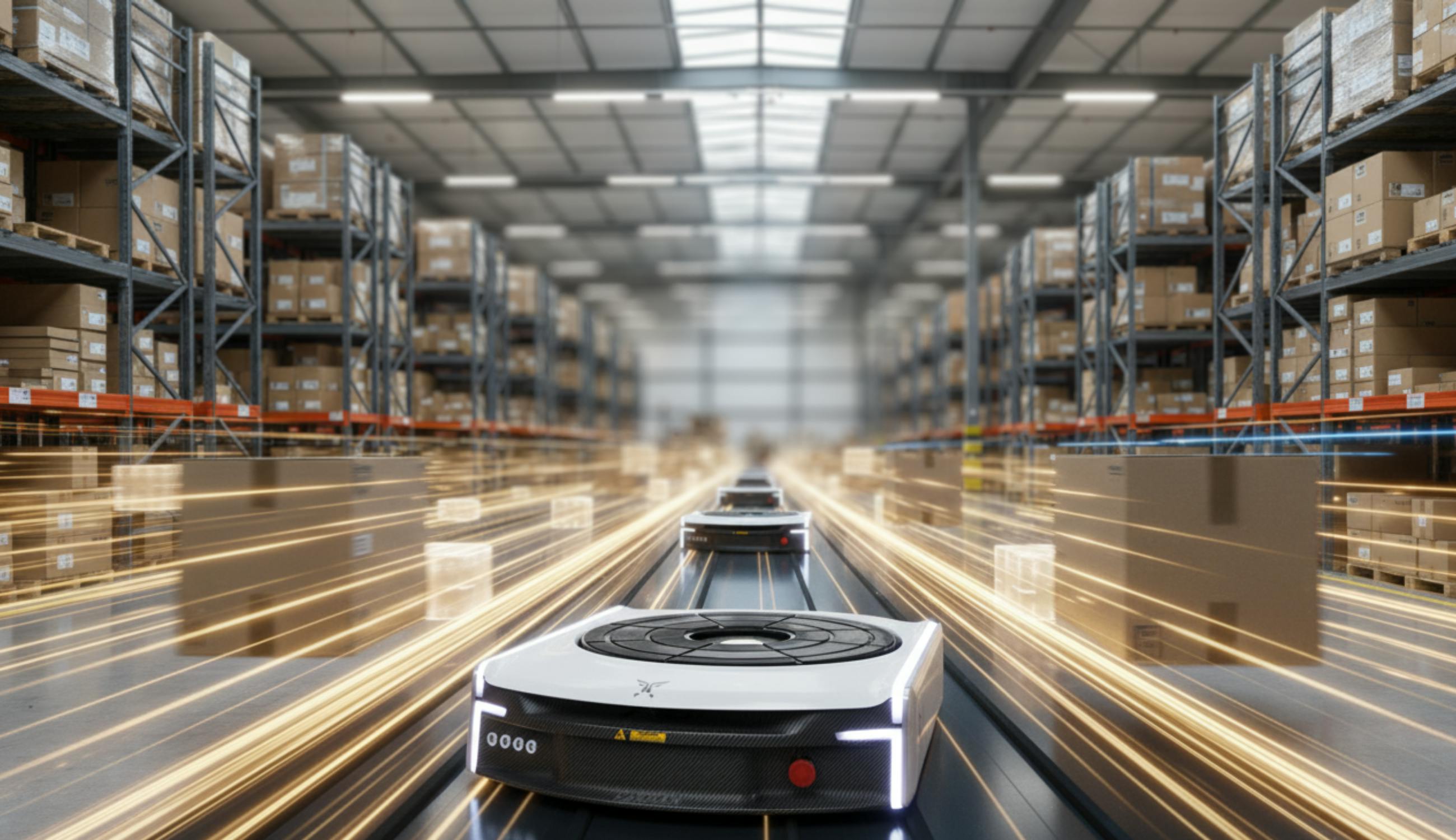
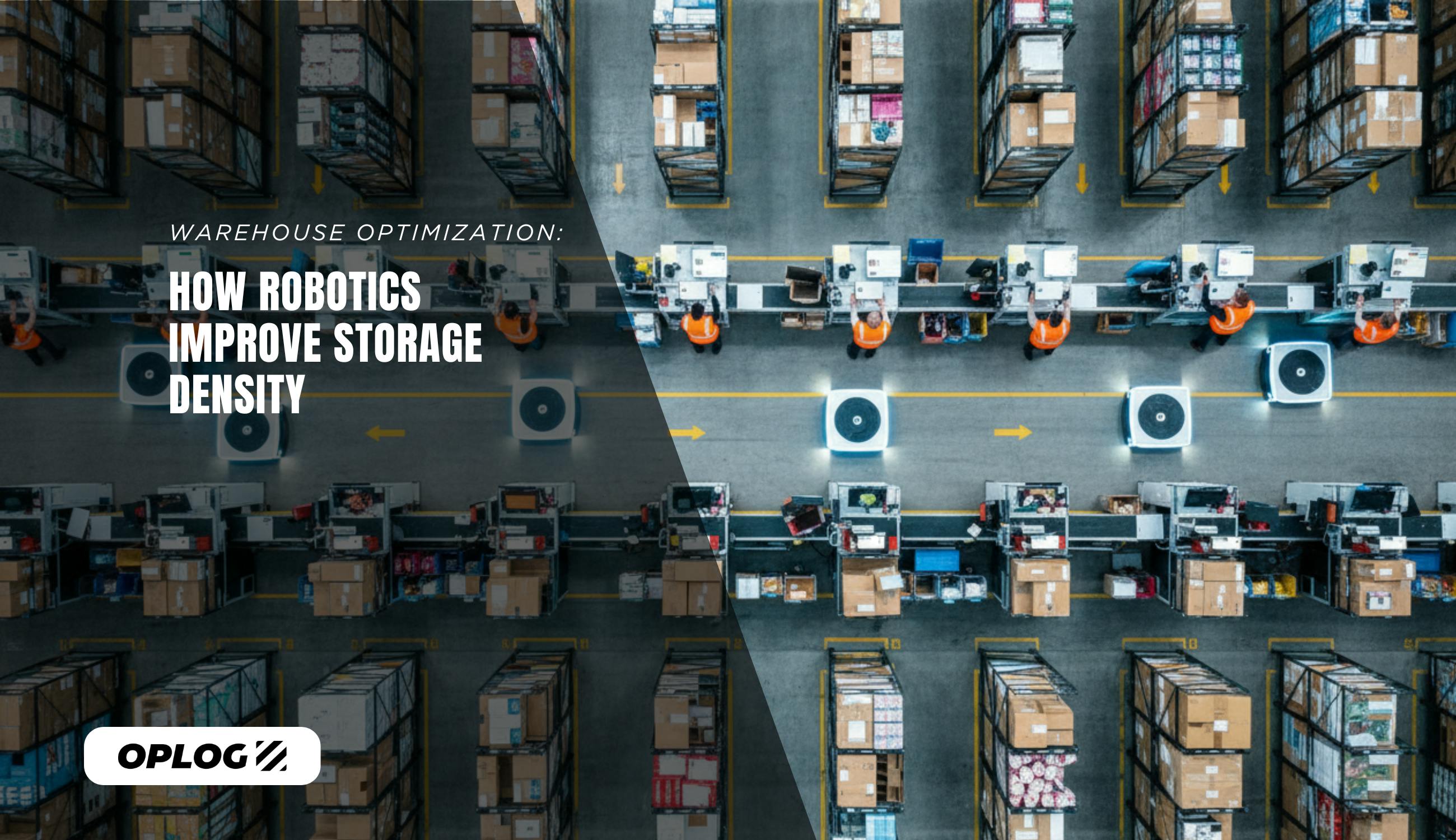
It is impossible to manage a large-scale operation with manual processes, pen and paper, or simple Excel spreadsheets. For efficiency, advanced Warehouse Management Systems (WMS), Order Management Systems (OMS), and most importantly, robotic automation technologies are required. However, purchasing and integrating these technologies requires millions of dollars in investment and continuous IT effort.
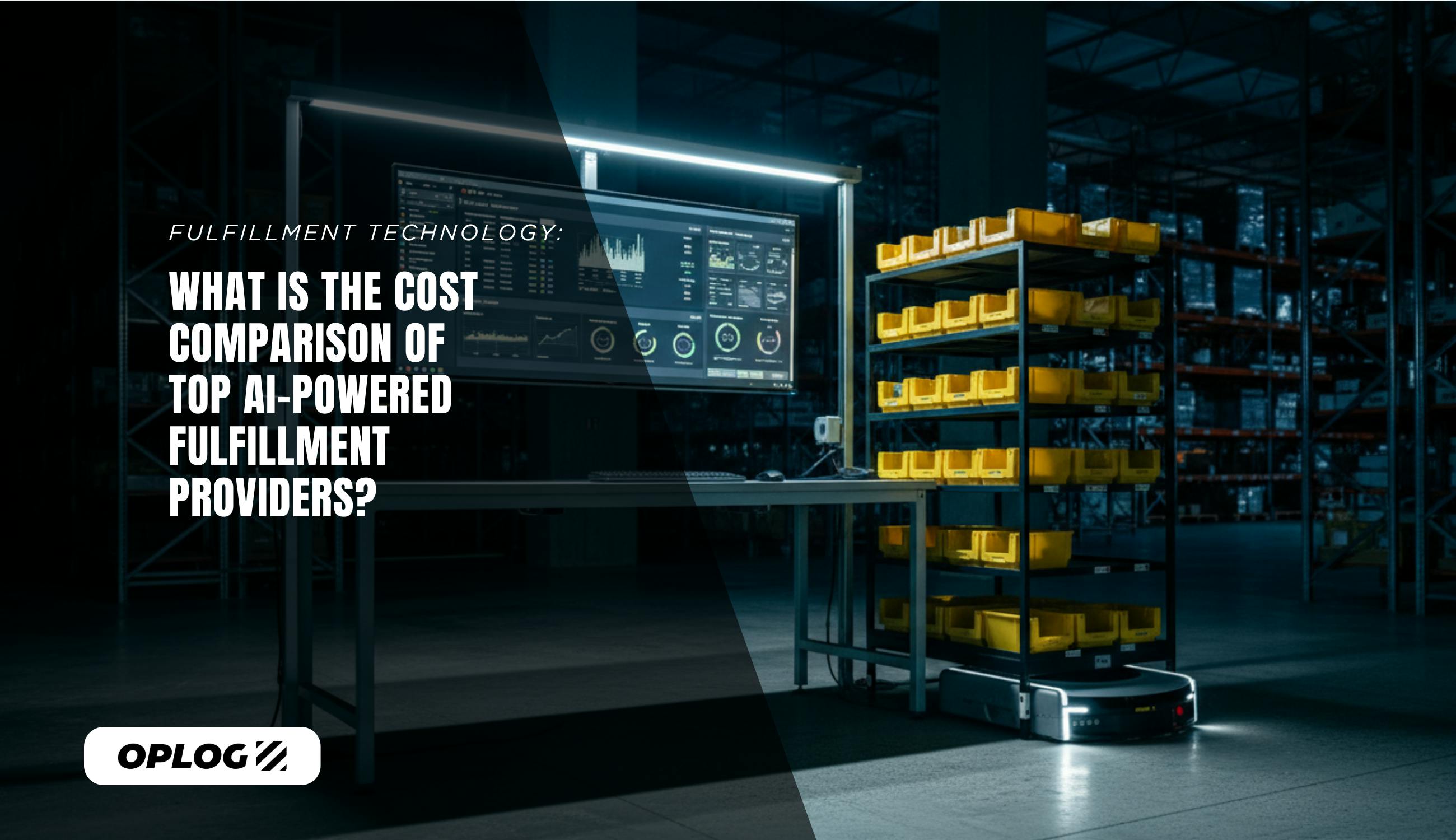
Here, the "shared economy" comes into play. When you work with technology-developing third-party logistics providers like OPLOG, proprietary software and award-winning TARQAN fulfillment robots are ready at your service.
You do not pay extra license fees, maintenance costs, or update fees for technology. The most advanced logistics technologies and automation capabilities in the sector are offered to you within your unit operational cost. In this way, stock management becomes error-free, inventory management can be tracked instantly, and your speed multiplies with robotic-supported order preparation processes.
5. Uncovering Hidden Costs
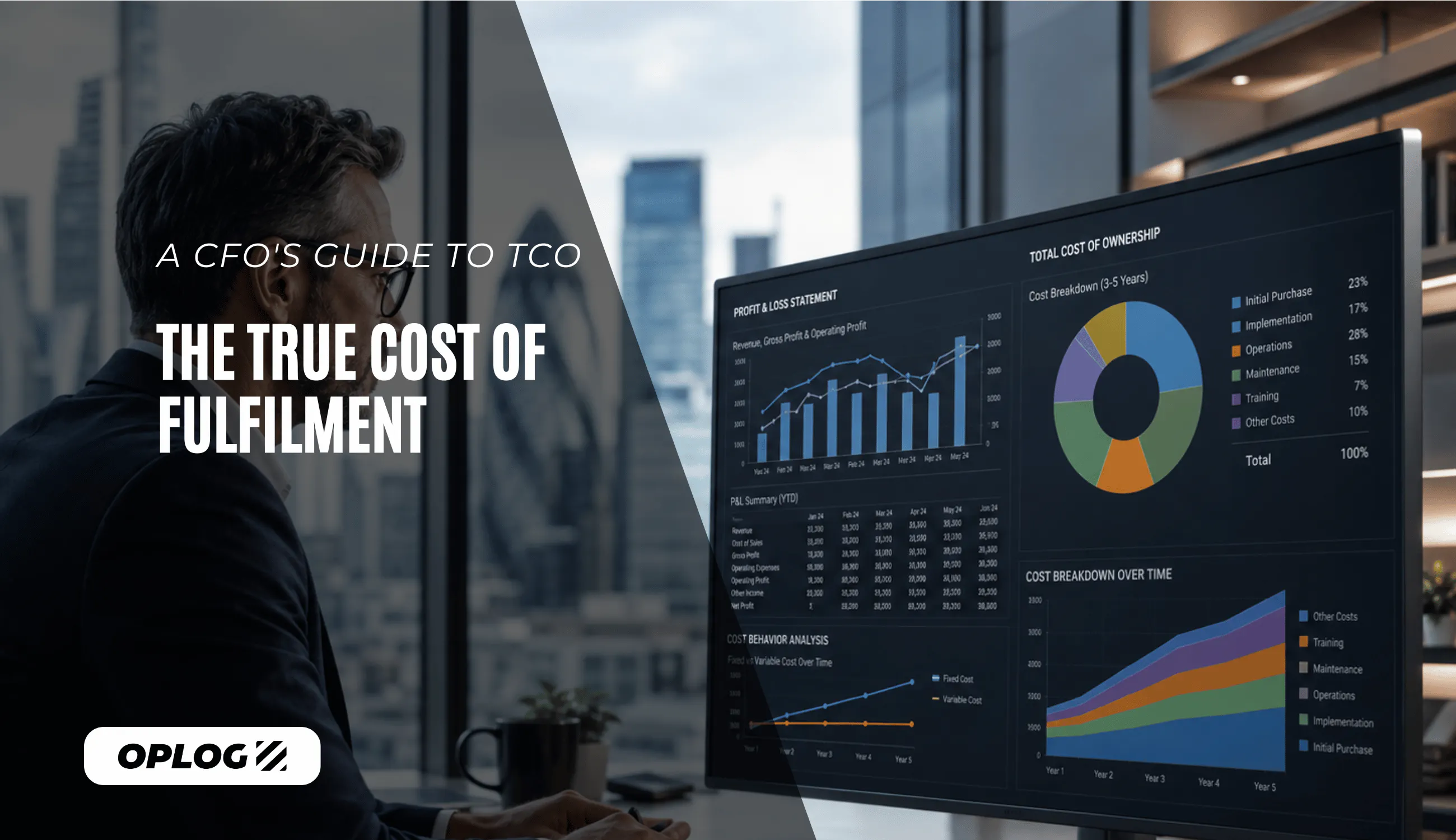
Many company executives fall into the misconception that "managing our own warehouse is cheaper" because they usually only calculate rent and staff salaries. However, in in-house operations, "Hidden Costs" are the massive underwater part of the iceberg.
Staff severance, shuttle and meal expenses, occupational safety costs, lighting, heating, lost/stolen products, packaging waste, and wear and tear... Most companies do not or cannot include these items in their e-commerce costs calculation.
The "Pay-As-You-Go" model is built on Total Cost of Ownership. The invoice you receive is transparent; hidden costs caused by human error are eliminated, and savings of 15-20% are achieved in your e-commerce logistics budget. This transparency allows you to see your logistics expenses clearly.
6. On-Site Operations (Insourcing): Technology Revolution in Your Current Warehouse
When "Pay-As-You-Go" is mentioned, people always think of moving products to a third-party logistics warehouse. However, one of the most innovative applications of this model is bringing the service to your doorstep. For corporate brands, exiting and moving out of existing warehouses can be operationally very difficult.
New generation players like OPLOG bring their own technology, robots, and management expertise to your existing warehouse. They take over the operation and apply the "Pay-As-You-Go" model to you under your own roof.
More importantly, by opening the idle areas you don't use in your warehouse to the use of other customers in the network, they can turn that space into a "revenue center" for you. This is an efficiency model rarely seen in the world in omnichannel logistics processes and is a revolution in the field of logistics.
7. Collective Power in Cargo and Shipping
One of the biggest expense items in logistics is undoubtedly shipping costs. No matter how large a brand you are on your own, there is a limit to the discounts and bargaining power you can obtain from shipping companies.
However, when you are part of a third-party logistics platform managing the total volume of hundreds of brands, you benefit from "collective buying power." Smart algorithms automatically select the most affordable and fastest shipping option for each order.
In this way, you access unit prices and service quality in reducing shipping costs that you cannot reach individually.
Furthermore, these advantages are not limited to domestic operations; you also reduce your costs in international transport and export processes thanks to OPLOG's global logistics network. Moreover, this model takes the answer to the question "what is fulfillment" beyond just storage and turns it into end-to-end cost optimization.
Conclusion: The Moment of Decision
Today, logistics is the most important front in companies' battle for profitability. Clunky contracts, inefficient warehouses, and unmanageable fixed costs no longer provide you with ammunition in this war; on the contrary, they slow you down.
For corporate brands, the "Pay-As-You-Go" model is not just a cost-saving tool; it is a survival and growth strategy in a world full of uncertainties. Converting fixed costs to variable ones, using technology without investing, and minimizing risks without giving commitments...
If you want to get rid of your operational burdens and focus only on growing your business, it is time to meet this new generation third-party logistics model offered by OPLOG and turn your logistics operations from a burden into a competitive advantage.