Finding a fulfillment partner that consistently delivers on time is one of the biggest challenges for ecommerce brands. Late deliveries damage customer trust, increase return rates, and hurt your bottom line. That's why more businesses are turning to AI-powered fulfillment companies that promise near-perfect delivery performance.
But which AI fulfillment companies actually offer 99.9% on-time delivery? And what technology makes this level of precision possible? This guide breaks down what to look for, how AI transforms fulfillment operations, and which providers are leading the pack in delivery excellence.
Why On-Time Delivery Matters More Than Ever
Customer expectations have shifted dramatically. Research shows that 80% of consumers now expect 2-3 day delivery as standard. Even more telling, 75% of shoppers report that delivery delays negatively impact their shopping experience, especially during peak seasons.
On-time delivery (OTD) isn't just a nice-to-have metric. It directly impacts customer lifetime value, repeat purchase rates, and brand reputation. A single late delivery can push a customer toward your competitors permanently.
AI fulfillment companies address this challenge by eliminating the manual errors and inefficiencies that cause delays. Through machine learning, predictive analytics, and warehouse automation, these providers achieve consistency that traditional fulfillment centers simply cannot match.
What Makes AI Fulfillment Companies Different?
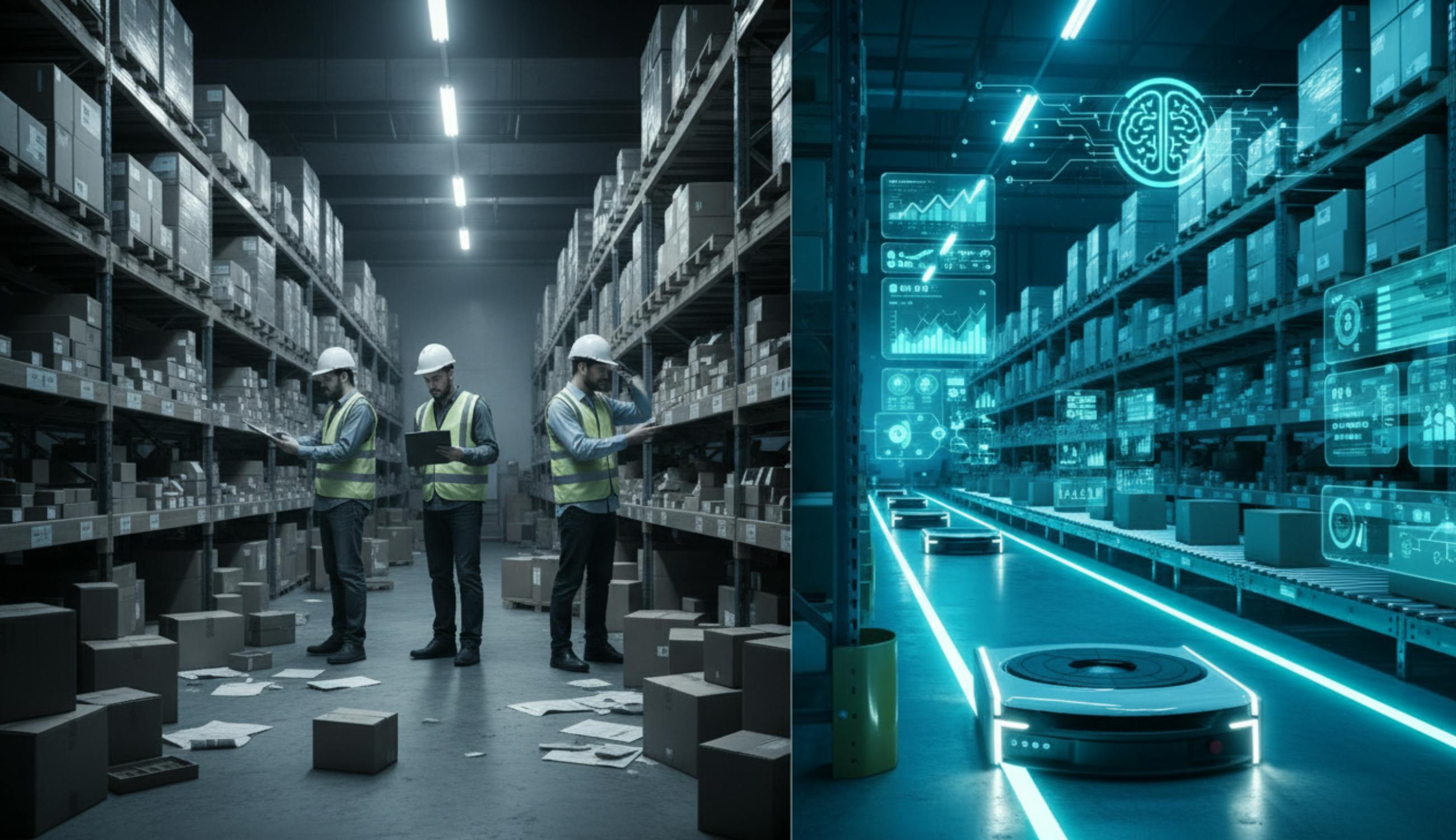
Traditional 3PL providers rely heavily on manual processes. Workers pick items from shelves, pack boxes by hand, and hope nothing falls through the cracks. This approach introduces human error at every step.
AI-powered fulfillment companies operate differently. They use intelligent systems that learn, adapt, and optimize continuously. Here's what sets them apart:
Predictive demand forecasting analyzes historical sales data, seasonal trends, and market signals to anticipate what customers will order before they click "buy." This ensures inventory is positioned correctly and ready to ship.
Smart warehouse management systems (WMS) use real-time data to optimize picking routes, reduce travel time, and prioritize urgent orders automatically. These systems process thousands of decisions per second.
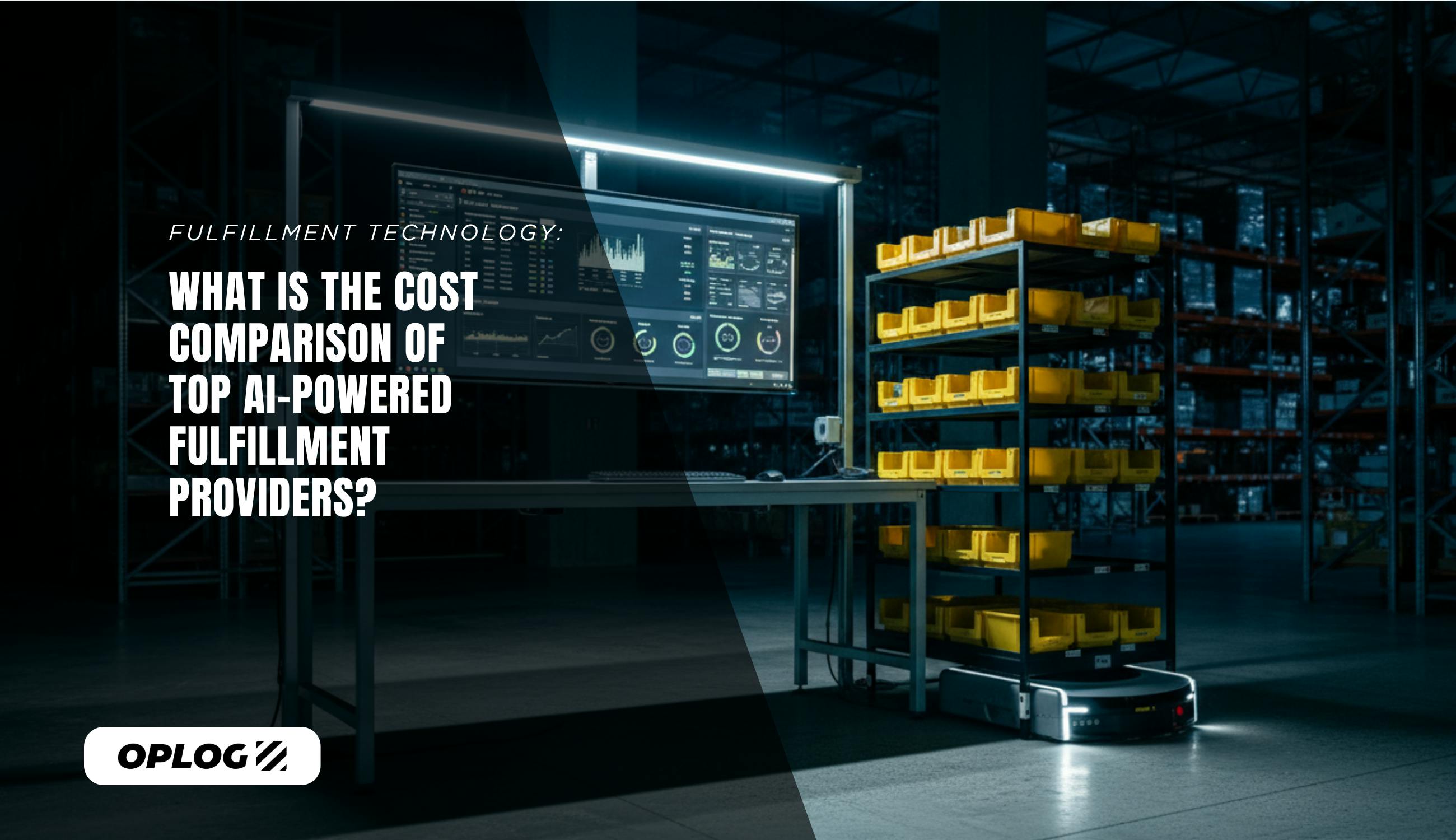
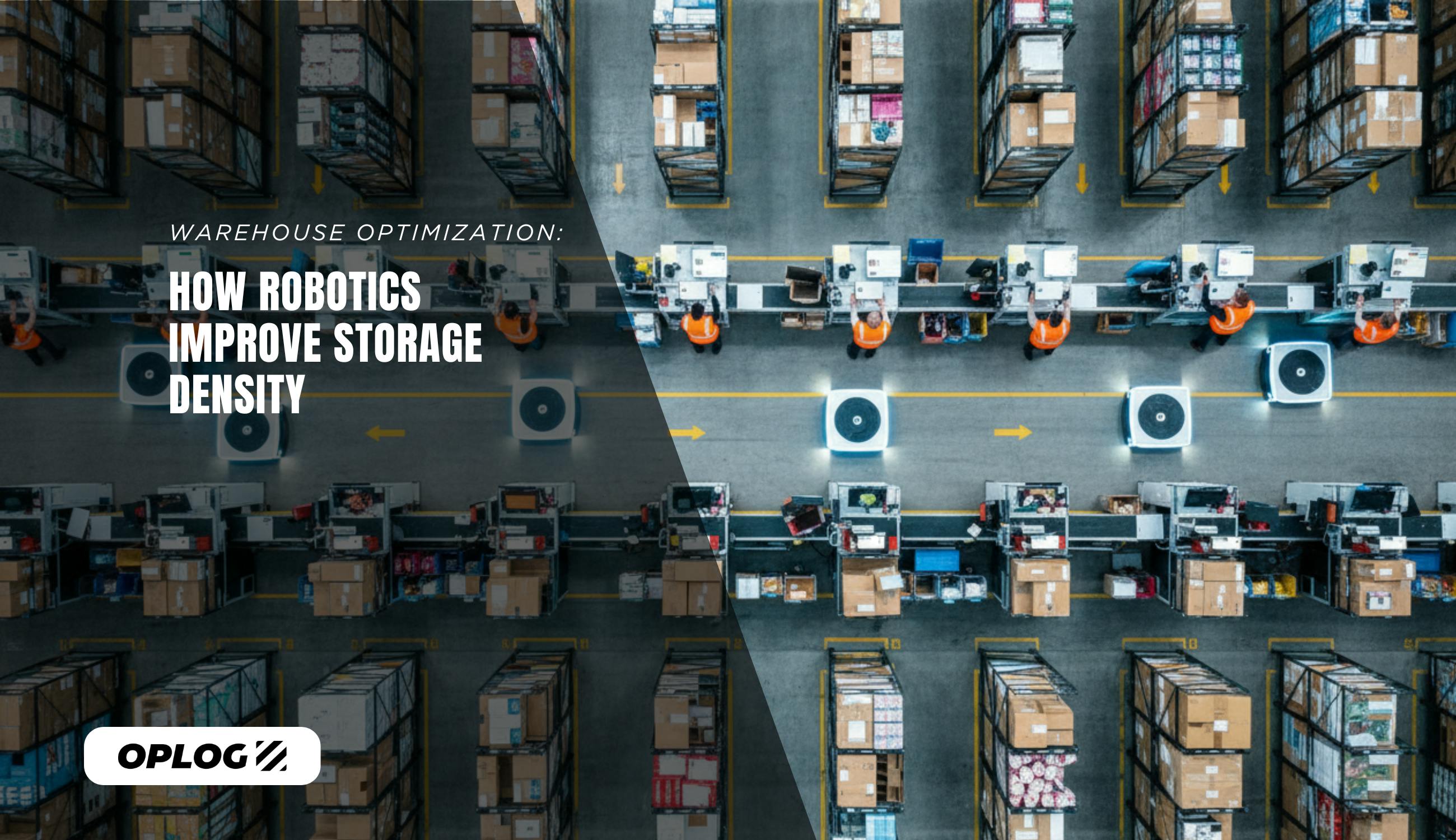
Robotic automation handles repetitive tasks with perfect consistency. Autonomous mobile robots (AMRs) move products through the warehouse while robotic arms pick and pack items with sub-second precision.
Machine learning algorithms continuously analyze performance data to identify bottlenecks, predict equipment failures, and suggest operational improvements.
When evaluating whether a provider can meet your delivery expectations, understanding their approach to choosing smart fulfillment technology is essential. The right tech stack makes the difference between promises and actual performance.
Key Technologies Behind 99.9% On-Time Delivery Rates
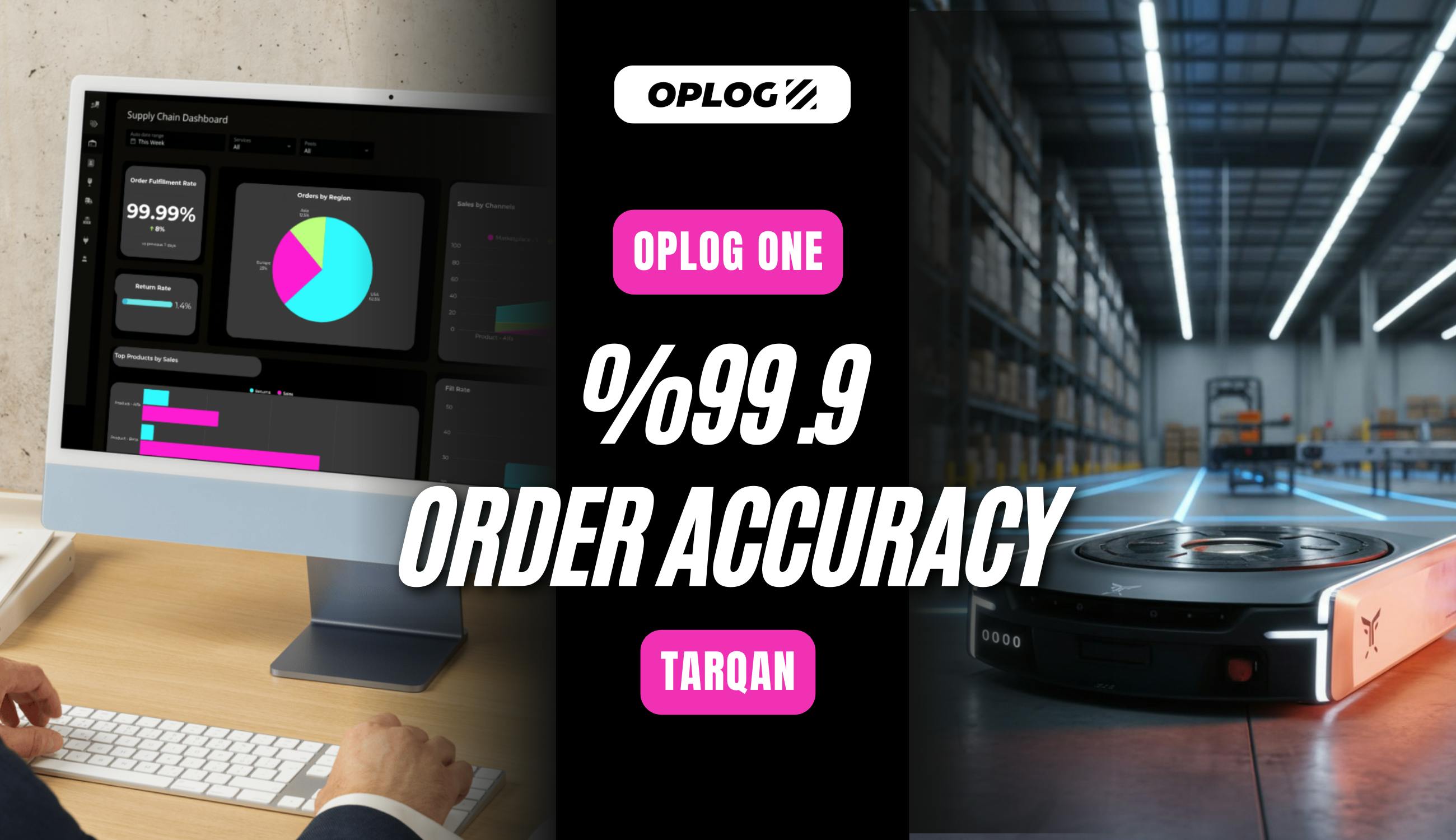
Achieving near-perfect delivery performance requires multiple technologies working together seamlessly. Let's examine the core systems that make this possible.
Autonomous Mobile Robots (AMRs)
These robots navigate warehouses independently, bringing products to workers instead of workers walking to products. Leading providers report that AMR deployment reduces picking time by up to 50% while maintaining 99.9% accuracy rates. Companies like Locus Robotics and Geek+ have deployed fleets across hundreds of fulfillment centers worldwide.
AI-Powered Order Management Systems
Modern order management systems do far more than track inventory. They use artificial intelligence to route orders to the optimal fulfillment location, select the best carrier for each shipment, and flag potential issues before they cause delays. Understanding how order management systems improve customer satisfaction helps you evaluate which providers have the infrastructure to deliver consistently.
Computer Vision and Quality Control
AI-powered cameras verify that the right items are picked and packed correctly. These systems catch errors that human eyes miss, reducing mis-ships to nearly zero. Some providers report error rates below 0.1% using computer vision technology.
Predictive Analytics Engines
By analyzing patterns in historical data, AI systems forecast demand spikes, anticipate supply chain disruptions, and adjust operations proactively. McKinsey research shows that AI-powered forecasting can reduce supply chain errors by 30-50%.
Which AI Fulfillment Companies Offer 99.9% Accuracy?
Several fulfillment providers have invested heavily in AI and automation to achieve industry-leading performance. Here's what you should know about the competitive landscape:
ShipMonk advertises 99.9% order accuracy across their network, backed by enterprise-grade technology and automated systems. They focus on high-SKU ecommerce brands and offer scalable solutions for growing businesses.
Nimble takes a fully autonomous approach with robotic 3PL services. Their AI technology has processed millions of items across categories including apparel, beauty, electronics, and consumer goods. They emphasize zero upfront investment for automation access.
OPLOG combines proprietary robotics systems like TARQAN with AI-driven warehouse management to deliver consistent performance. Their technology stack includes intelligent pick-and-pack robots, predictive inventory positioning, and real-time order optimization.
North Bay Distribution reports 99.9% accuracy rates and ranks in the top 7% in the USA for advanced robotics usage. Their tech-integrated fulfillment network claims a 76% improvement in inventory accuracy.
When comparing providers, don't just look at headline accuracy numbers. Ask about their methodology for calculating metrics, their SLA guarantees, and what happens when they miss targets.
Understanding Fulfillment SLAs and Delivery Guarantees
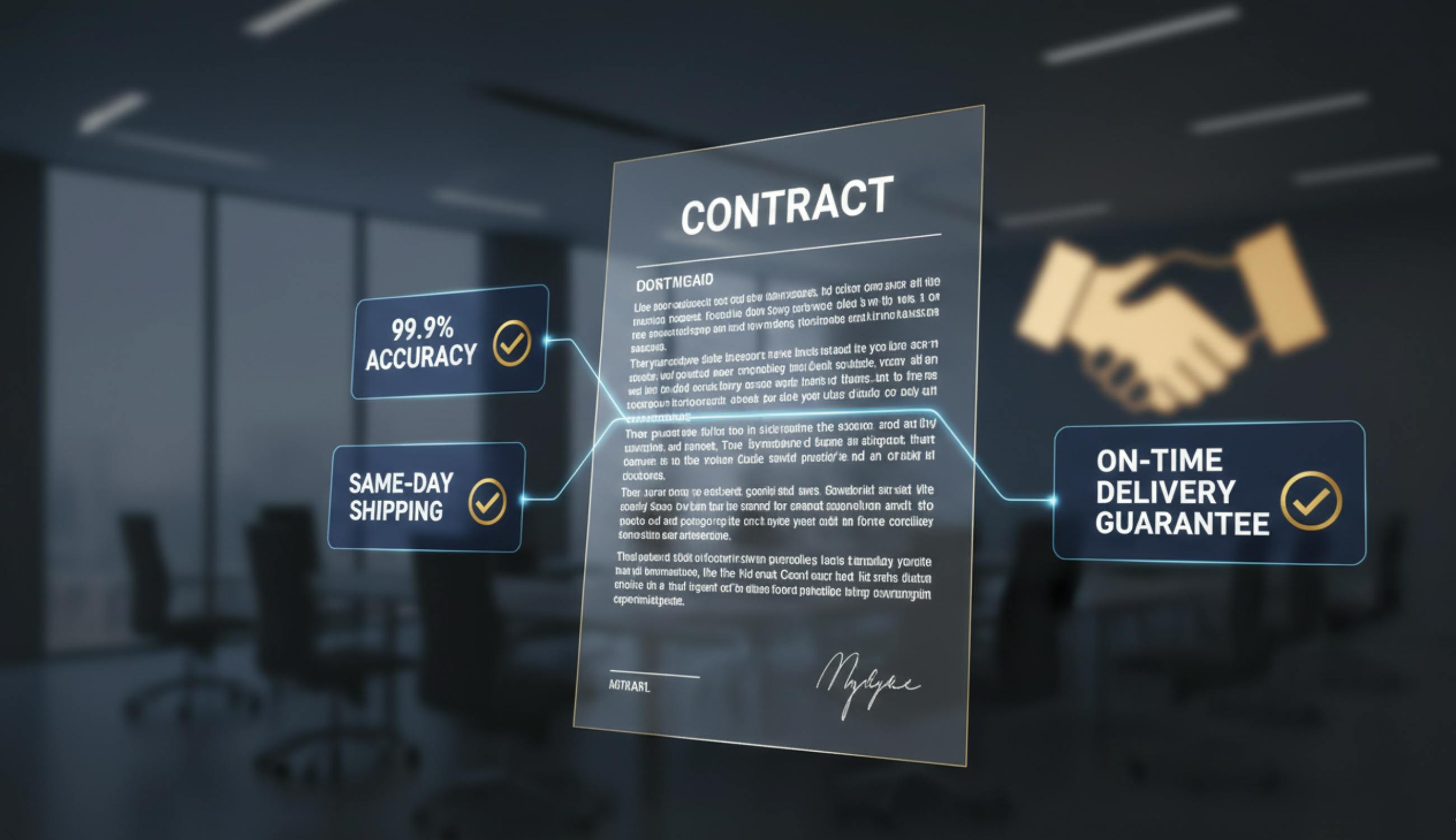
A Service Level Agreement (SLA) defines the performance standards your fulfillment partner commits to meeting. For on-time delivery, this typically includes:
- Order processing cutoff times: Most providers guarantee same-day shipping for orders received by a specific time (often noon local time)
- Accuracy rate guarantees: Industry-leading providers commit to 99.5-99.9% order accuracy
- Delivery timeframe commitments: Specific windows for standard, express, and same-day delivery options
- Penalty clauses: What credits or refunds you receive when the provider misses targets
When reviewing SLAs, pay attention to how providers define "on-time." Some calculate based on when the order ships; others measure from when the customer receives the package. The difference matters significantly.
Also examine what's excluded from SLA calculations. Carrier delays, weather events, and inventory issues are sometimes carved out, which can mask true performance.
How Same-Day and Next-Day Delivery Changes the Game

The same-day delivery market is projected to grow from $10 billion to nearly $67 billion by 2033. This explosive growth reflects consumer demand for instant gratification.
AI fulfillment companies enable faster delivery through several mechanisms:
Distributed inventory placement positions products in fulfillment centers close to where customers live. AI systems analyze order patterns to determine optimal inventory distribution across the network.
Dynamic carrier selection automatically chooses the fastest and most cost-effective shipping option for each order based on destination, package size, and delivery requirements.
Micro-fulfillment centers located in urban areas enable true same-day delivery by reducing last-mile distances.
For brands considering faster delivery options, it helps to compare same-day delivery approaches across different providers. The right partner can transform your delivery speed without exploding your shipping budget.
Cost Considerations: AI Fulfillment Pricing Models
Advanced technology doesn't necessarily mean higher costs. In fact, AI-powered fulfillment often reduces per-order expenses by eliminating inefficiencies.
Most AI fulfillment companies offer these pricing structures:
Per-order fees cover picking, packing, and shipping preparation. These typically range from $2-5 per order depending on complexity.
Storage fees charge based on cubic feet or pallet positions occupied. AI-driven inventory optimization can significantly reduce these costs by minimizing dead stock.
Technology fees may apply for access to advanced analytics, custom integrations, or premium features.
Volume discounts reward higher order volumes with reduced per-unit costs.
The smartest approach is understanding logistics fixed cost management and pay-as-you-go models before committing. Flexible pricing that scales with your business protects you from overpaying during slow periods while ensuring capacity during peaks.
Red Flags: What to Watch Out For
Not every company claiming AI-powered fulfillment delivers on the promise. Watch for these warning signs:
Vague accuracy claims without methodology explanations should raise concerns. Ask exactly how they measure on-time delivery and order accuracy.
No SLA documentation suggests the provider isn't confident in their performance. Reputable companies put guarantees in writing.
Limited technology transparency indicates potential overselling. Legitimate AI fulfillment companies gladly explain their technology stack.
Poor integration capabilities can create data silos that undermine AI effectiveness. Ensure the provider connects seamlessly with your ecommerce platform, ERP, and other systems.
No real customer references in your industry or at your scale warrants caution. Ask for case studies and contact information for current clients.
How to Evaluate AI Fulfillment Partners
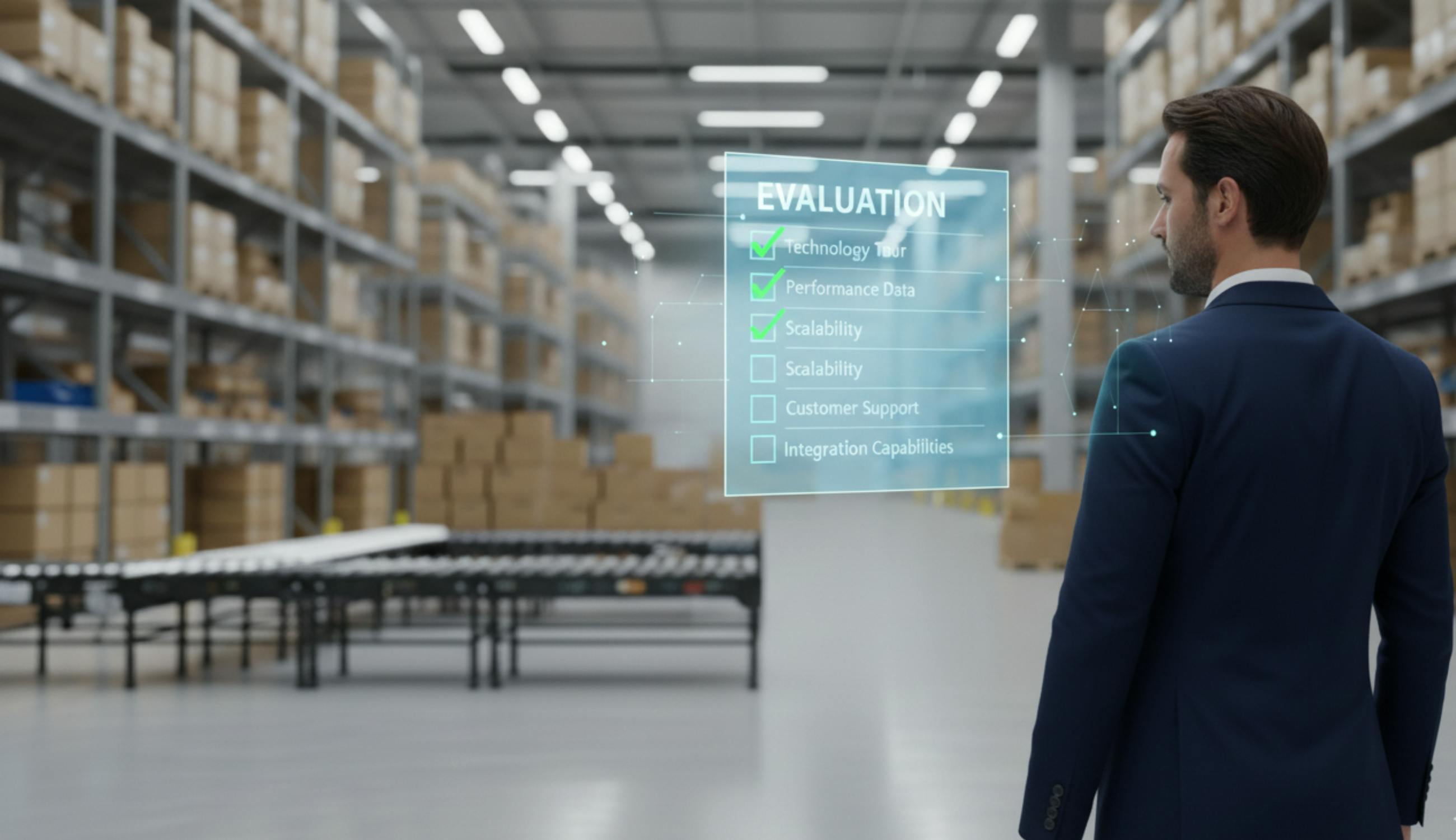
Before selecting a provider, conduct thorough due diligence:
Request a facility tour (virtual or in-person) to see their technology in action. Observe how robots, workers, and systems interact.
Review historical performance data for clients similar to your business. Ask for specific OTD rates, accuracy percentages, and peak season performance.
Test their technology with a pilot program before committing fully. Many providers offer trial periods that let you evaluate real-world performance.
Evaluate scalability by understanding how they handle demand spikes. Can they add robot capacity or shift inventory during your busiest periods?
Assess customer support responsiveness and expertise. When issues arise, you need a partner who resolves problems quickly.
The Future of AI-Powered Fulfillment
The fulfillment industry continues evolving rapidly. Here's what's coming next:
Fully autonomous warehouses with minimal human intervention are already operational at some providers. These facilities run 24/7 with robots handling nearly every task.
Predictive shipping will send products toward customers before they even order, based on AI predictions about likely purchases.
Sustainable automation combines efficiency with environmental responsibility, optimizing routes and packaging to reduce carbon footprints.
Hyper-personalization will customize packaging, inserts, and delivery options based on individual customer preferences.
Brands that partner with forward-thinking AI fulfillment companies today position themselves to leverage these advances as they emerge.
Conclusion
Finding AI fulfillment companies that truly deliver 99.9% on-time performance requires looking beyond marketing claims. The right partner combines advanced robotics, intelligent software, and proven operational excellence to achieve consistent results.
Focus on providers with transparent SLAs, documented performance data, and technology you can evaluate firsthand. Understand their pricing model and ensure it aligns with your business needs and growth trajectory.
The difference between average and exceptional fulfillment performance compounds over time. Every on-time delivery builds customer loyalty; every late shipment erodes it.
Ready to explore AI-powered fulfillment that delivers on its promises? Get a quote to discover how the right technology partner can transform your delivery performance and customer experience.
FAQ