Is your warehouse just a building, or your growth engine?
That question might sound dramatic. But for UK e-commerce brands scaling from 500 to 50,000 monthly orders, the answer determines everything. Your delivery speed. Your fulfilment costs. Your customer experience. Even your ability to expand into new markets.
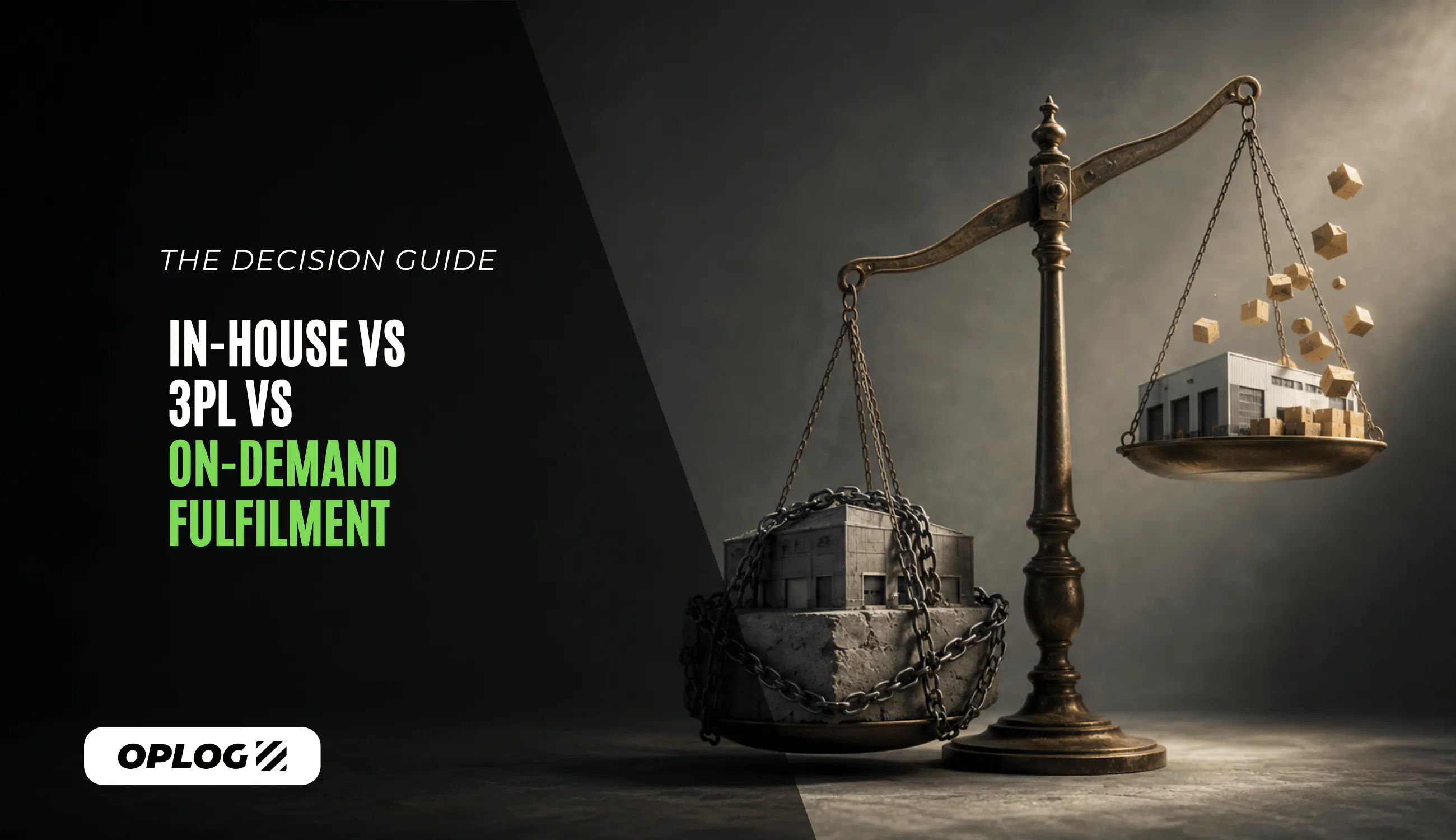
Not every 3PL provider is the same. Some offer four walls and a forklift. Others deliver end-to-end supply chain management powered by real-time data and automation. The difference between the two can define whether your brand grows or stalls.
This guide breaks down exactly what to look for when choosing a 3PL provider in the UK. From technology integration to pricing models, you will learn how to separate the operators from the innovators.
Why Outsourcing Logistics Matters More Than Ever
The UK e-commerce market continues to grow at pace. Consumer expectations for next-day and same-day delivery are no longer premium perks. They are baseline requirements. For brands managing fulfilment in-house, keeping up with this pace demands significant capital investment in warehouse space, labour, and technology.
This is where outsourcing logistics becomes a strategic decision rather than a cost-saving exercise. A strong logistics partner absorbs the complexity of ecommerce warehousing, pick and pack services, inventory management, returns processing, and last mile fulfilment. You focus on selling. They focus on shipping.
But the challenge is clear. The UK 3PL market is crowded. Traditional players, tech-first platforms, and global giants all compete for the same clients. Choosing the wrong partner means locked-in contracts, poor visibility, and fulfilment costs that scale faster than your revenue.
What Makes a Great 3PL Provider Different from a Good One

A good 3PL provider stores your products and ships them on time. A great one becomes an extension of your operations. The distinction comes down to five areas.
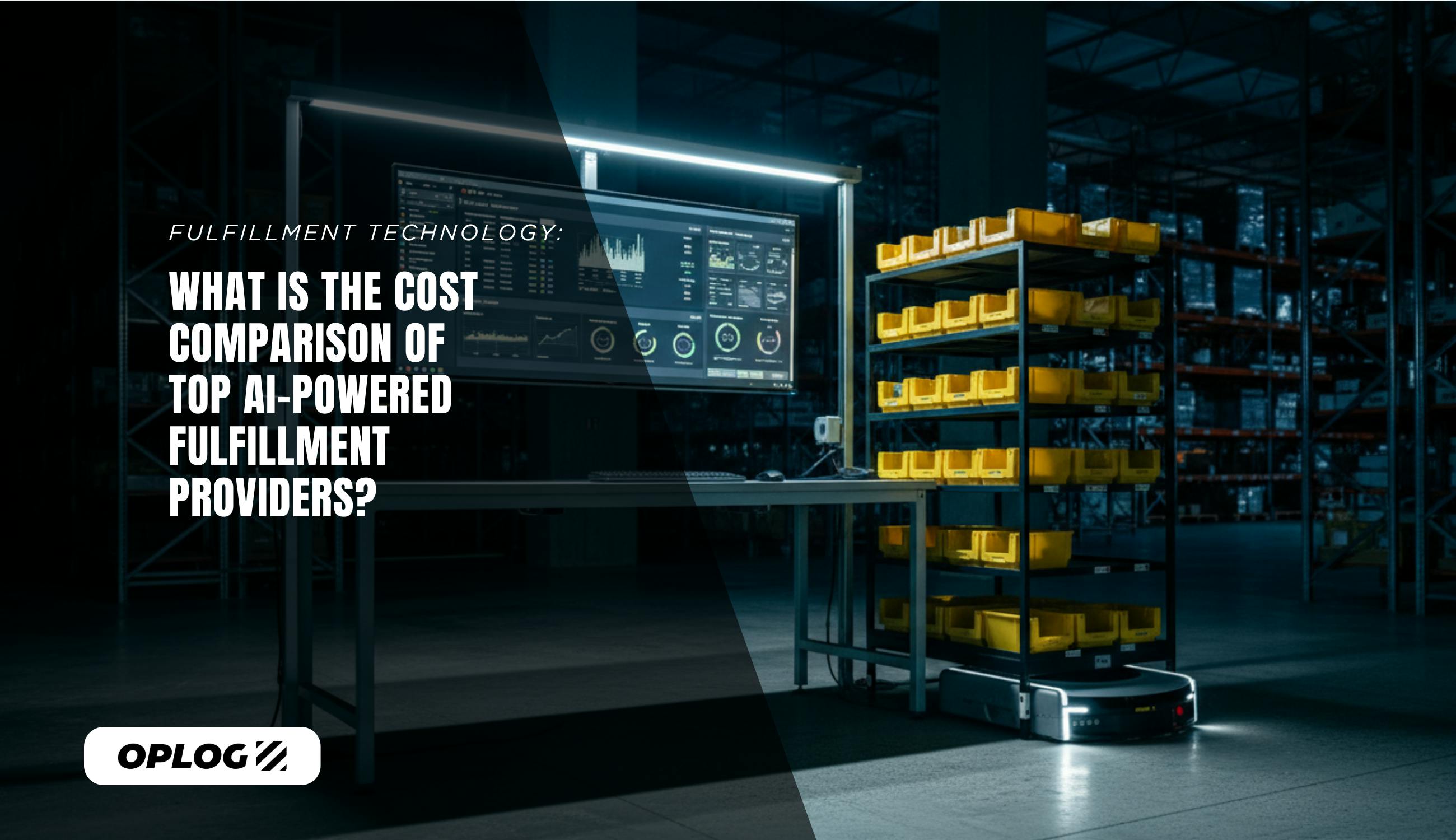
Technology integration is the clearest indicator. Modern ecommerce logistics solutions require real-time inventory visibility, automated order routing, and seamless connections with platforms like Shopify, Amazon, and WooCommerce. If your 3PL provider relies on spreadsheets and manual stock checks, you are already behind. The best providers operate like software companies, with a warehouse management system that syncs directly with your sales channels and gives you complete supply chain visibility through a control tower.
Scalability without penalties is the second factor. Your order volumes will fluctuate. Seasonal peaks, flash sales, and marketplace promotions create demand spikes that a rigid contract cannot accommodate. The right 3PL provider offers flexible capacity that grows and contracts with your business, not a fixed model that charges you for space you do not use.
Fulfilment accuracy directly impacts customer satisfaction and return rates. A provider with a 95% accuracy rate might sound acceptable until you calculate the cost of reshipping, refunding, and losing repeat customers. Best-in-class providers leverage robotic logistics and automation in omnichannel operations to maintain accuracy rates above 99.5%.
Reverse logistics capability is often overlooked. UK consumers return approximately 20-30% of online purchases. Your 3PL provider needs a structured returns management process that gets products back into sellable inventory quickly, not a pile-it-in-the-corner approach.
Data and reporting round out the list. You need access to real-time dashboards showing order status, inventory levels, shipping performance, and fulfilment costs. Without this data, you are flying blind in an industry where margins are measured in pennies.
How to Evaluate a 3PL Provider for Supply Chain Management

Choosing a 3PL provider is not a one-meeting decision. It requires structured evaluation across several dimensions. Here is how to approach it.
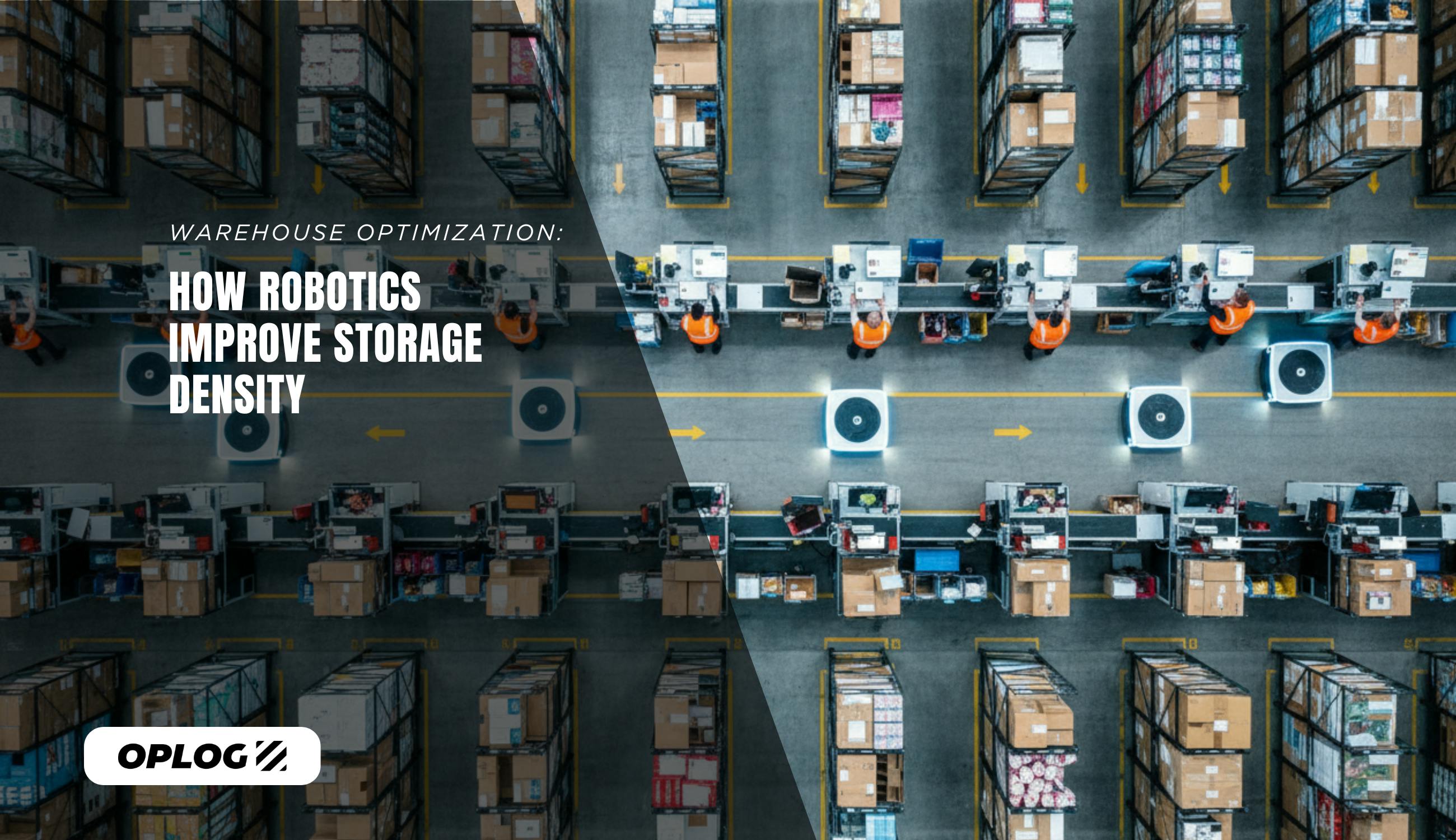
Start with operational due diligence. Visit the warehouse. Observe the pick and pack process. Ask about their warehouse layout and how they optimise storage density. A well-designed warehouse risk assessment protocol tells you a lot about operational maturity.
Next, evaluate the technology stack. Ask specific questions. What warehouse management system do they use? Is it proprietary or third-party? How does it integrate with your ecommerce platform? Can you access real-time data through a dashboard or API? The answers reveal whether you are dealing with a logistics company that happens to have technology or a technology company that happens to do logistics.
Examine pricing transparency. Many traditional 3PL providers bury costs in complex rate cards. Storage fees, pick fees, pack fees, shipping surcharges, minimum order commitments, and account management charges can add up quickly. The best fulfilment partners offer clear, predictable pricing. Some operate on a pay-as-you-go model that eliminates fixed logistics costs entirely, allowing brands to convert fixed expenses into variable ones that flex with demand.
Review SLA commitments. What delivery timelines do they guarantee? What happens when they miss a target? Retail logistics solutions for marketplace sellers often require strict SLA adherence, particularly for platforms like Amazon Seller Fulfilled Prime.
Finally, assess geographic reach. If you sell across the UK and plan to expand into Europe, your 3PL provider should have infrastructure that supports cross-border fulfilment without requiring you to find a separate partner for each market.
The Role of Technology Integration in Choosing a 3PL Provider
Technology integration is not just a nice-to-have feature. It is the backbone of modern supply chain management. The right 3PL provider offers an integrated platform that connects every stage of the fulfilment process, from inbound receiving to last mile delivery.
Here is what that looks like in practice.
A unified platform gives you a single dashboard to monitor inventory management across multiple warehouses and sales channels. Multi channel inventory management ensures stock levels stay synchronised whether you sell on your own website, Amazon, eBay, or through wholesale channels. This prevents overselling and stockouts, both of which damage brand reputation.
Demand planning software features integrated within the platform help forecast seasonal trends and promotional demand. Instead of guessing how much stock to send ahead of peak periods, you make data-driven decisions backed by historical patterns and real-time sales velocity.
Order management automation eliminates manual processing bottlenecks. When a customer places an order, the system automatically selects the optimal fulfilment location, triggers the pick and pack process, and assigns the best carrier based on cost and speed. This is the core of what smart fulfilment in 2026 looks like.
A supply chain control tower provides end-to-end visibility across your entire logistics operation. You can track shipments, monitor carrier performance, identify bottlenecks, and make real-time decisions. Three essential capabilities of a supply chain control tower include predictive analytics, exception management, and multi-carrier visibility.
OPLOG approaches this differently from traditional logistics providers. Rather than bolting software onto a warehouse operation, OPLOG operates like a software company that delivers logistics outcomes. The OPLOG ONE platform provides full supply chain visibility, connecting inventory, orders, and shipping data in real-time. Combined with TARQAN, its proprietary automation system, OPLOG delivers the kind of technology integration that most UK 3PL providers simply cannot match. The result is a tech-first approach where full transparency replaces guesswork.
Understanding Fulfilment Costs: What a 3PL Provider Should Offer

Fulfilment costs are the single biggest concern for most brands evaluating a 3PL provider. But the real question is not "how much does it cost?" It is "how predictable and transparent is the pricing?"
Hidden costs destroy margins. Traditional 3PL contracts often include minimum volume commitments, long-term lock-ins, and tiered pricing that only benefits the provider. When your volumes dip during quieter months, you still pay the same. When volumes spike, surcharges appear.
A transparent pricing model should break down every cost component clearly. Storage per unit. Pick and pack per order. Shipping per parcel. Returns processing per item. No surprises. No small print.
The pay-as-you-go approach is gaining traction across the UK 3PL market for exactly this reason. It converts warehouse and fulfilment costs from fixed overhead into variable expenses that directly correlate with your sales volume. For D2C brands and SMBs managing seasonal fluctuations, this model provides a significant financial advantage.
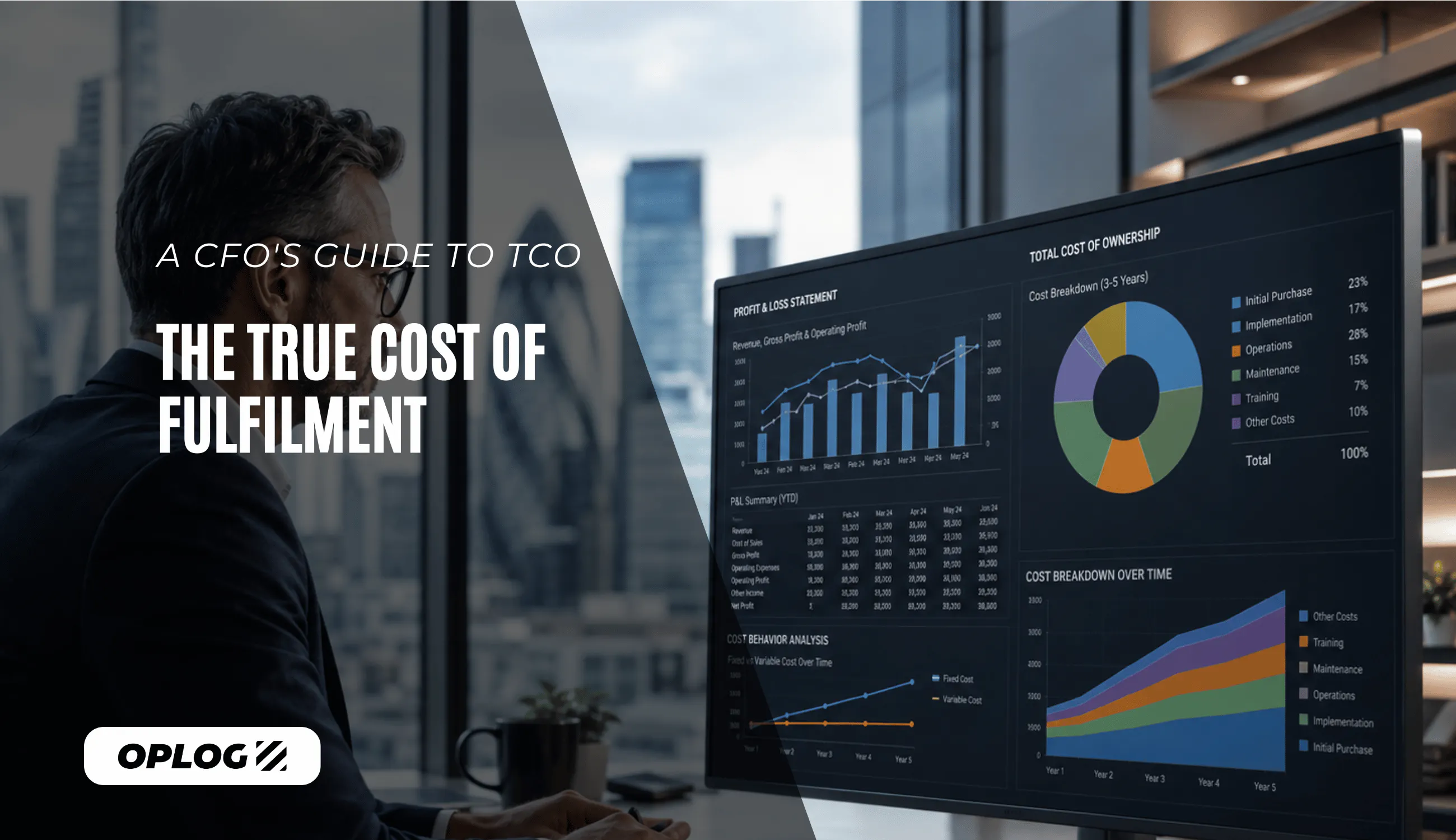
When comparing providers, request a total cost of ownership analysis. Factor in technology fees, integration costs, onboarding charges, and any penalties for contract termination. The cheapest per-unit rate often hides the most expensive overall relationship.
What to Look for in a 3PL Provider for Last Mile Speed
Last mile delivery accounts for the largest share of total shipping cost and has the greatest impact on customer experience. Your 3PL provider's carrier network and delivery capabilities directly affect your brand perception.
Key considerations include multi-carrier delivery options, geographic coverage across the UK, express delivery capabilities, and proof of delivery tracking. The best providers maintain relationships with multiple last mile carriers and use intelligent routing to balance speed and cost for every shipment.
For brands selling on marketplaces, last mile performance determines your eligibility for premium programmes and affects search ranking. Consistent delivery speed is not optional. It is a competitive requirement.
Conclusion: Your 3PL Provider Is a Growth Decision, Not a Cost Decision
Choosing a 3PL provider in the UK is one of the most consequential decisions a growing brand can make. The right partner does not just store your products and ship your orders. They become an integral part of your supply chain management strategy, your customer experience, and your ability to scale.
Look beyond the price per pick. Evaluate technology integration, scalability, transparency, fulfilment accuracy, and strategic alignment. Ask hard questions. Visit facilities. Demand data.
The brands that win in the next phase of UK e-commerce will be the ones that treat their logistics partner as a competitive advantage, not a line item. Choose accordingly.
Frequently Asked Questions (FAQ)