A safe warehouse is a productive one. But how many UK e-commerce brands can honestly say their in-house logistics operation is legally compliant? The reality for most growing businesses is that warehouse safety protocols are often an afterthought—addressed only after an incident occurs or an inspection looms.
This guide breaks down the five essential safety protocols that every UK brand needs to implement in their warehouse operations. Whether you manage fulfilment internally or partner with a 3PL provider, these protocols form the foundation of a compliant, efficient, and worker-friendly environment.
Why Warehouse Risk Assessment Matters for UK Brands
The UK's Health and Safety Executive (HSE) reports that logistics and warehousing consistently rank among the highest-risk industries for workplace injuries. Slips, trips, falls, and manual handling incidents account for a significant portion of these cases. Beyond the human cost, these incidents translate directly into operational disruptions, compensation claims, and reputational damage.
For e-commerce brands especially, warehouse safety isn't just a compliance checkbox. It's a fundamental component of operational efficiency. A single injury can halt order processing, create shipping delays, and ultimately damage customer satisfaction. When your logistics strategy is secretly affecting profitability, unsafe practices are often a contributing factor.
Modern warehouse management systems have evolved beyond simple inventory tracking. They now incorporate safety monitoring, compliance reporting, and risk mitigation features that transform how businesses approach logistics operations.
Protocol 1: Comprehensive Hazard Identification and Documentation

Every effective warehouse risk assessment begins with systematic hazard identification. This process requires documenting all potential risks across your facility, from loading docks to storage areas.
Key Areas to Assess
Physical hazards include uneven flooring, poor lighting, exposed machinery parts, and improperly stored materials. These are the most common culprits in warehouse accidents and the easiest to overlook during daily operations.
Ergonomic hazards relate to repetitive motion injuries, heavy lifting requirements, and workstation design. In high-volume fulfilment environments, these issues accumulate over time and can lead to chronic conditions that affect worker availability.
Environmental hazards cover temperature extremes, air quality concerns, and noise levels. UK warehouses face particular challenges during winter months when heating costs must balance against proper working conditions.
Process hazards include forklift traffic patterns, pedestrian routes, and emergency evacuation procedures. These require ongoing attention as operations scale and floor layouts change.
Documentation Requirements
Under UK law, any business with five or more employees must maintain written records of their risk assessments. This documentation should include identified hazards, affected employees, implemented controls, and review dates.
Smart warehouse operators go beyond minimum requirements. They create living documents that update with each operational change. This proactive approach not only ensures compliance but provides valuable data for continuous improvement. Understanding the importance of inventory management includes recognising how stock placement decisions affect worker safety and movement patterns throughout the facility.
Protocol 2: Manual Handling Procedures and Training
Manual handling injuries represent the largest category of warehouse-related incidents in the UK. Yet many brands still operate without formal lifting protocols or regular training programmes.
Establishing Safe Lifting Standards
The Health and Safety Executive provides specific guidance on manual handling limits. General recommendations suggest that loads above 25kg for occasional lifting or 10kg for frequent repetitive tasks require mechanical assistance or team lifting approaches.
Effective protocols include weight limits for individual handling based on task frequency, required use of lifting equipment above specified thresholds, team lifting procedures for awkward or heavy items, and alternative handling methods for items with poor grip points.
Training Programme Elements
A comprehensive manual handling training programme should cover proper lifting techniques, risk recognition, equipment usage, and incident reporting procedures. Initial training during onboarding must be supplemented with regular refresher sessions—quarterly at minimum.
For brands managing high-volume operations, technology increasingly assists with manual handling challenges. Robotics in fulfilment has transformed how modern warehouses approach repetitive physical tasks, reducing both injury risk and human error while maintaining operational speed.
Protocol 3: Equipment Safety and Maintenance Standards
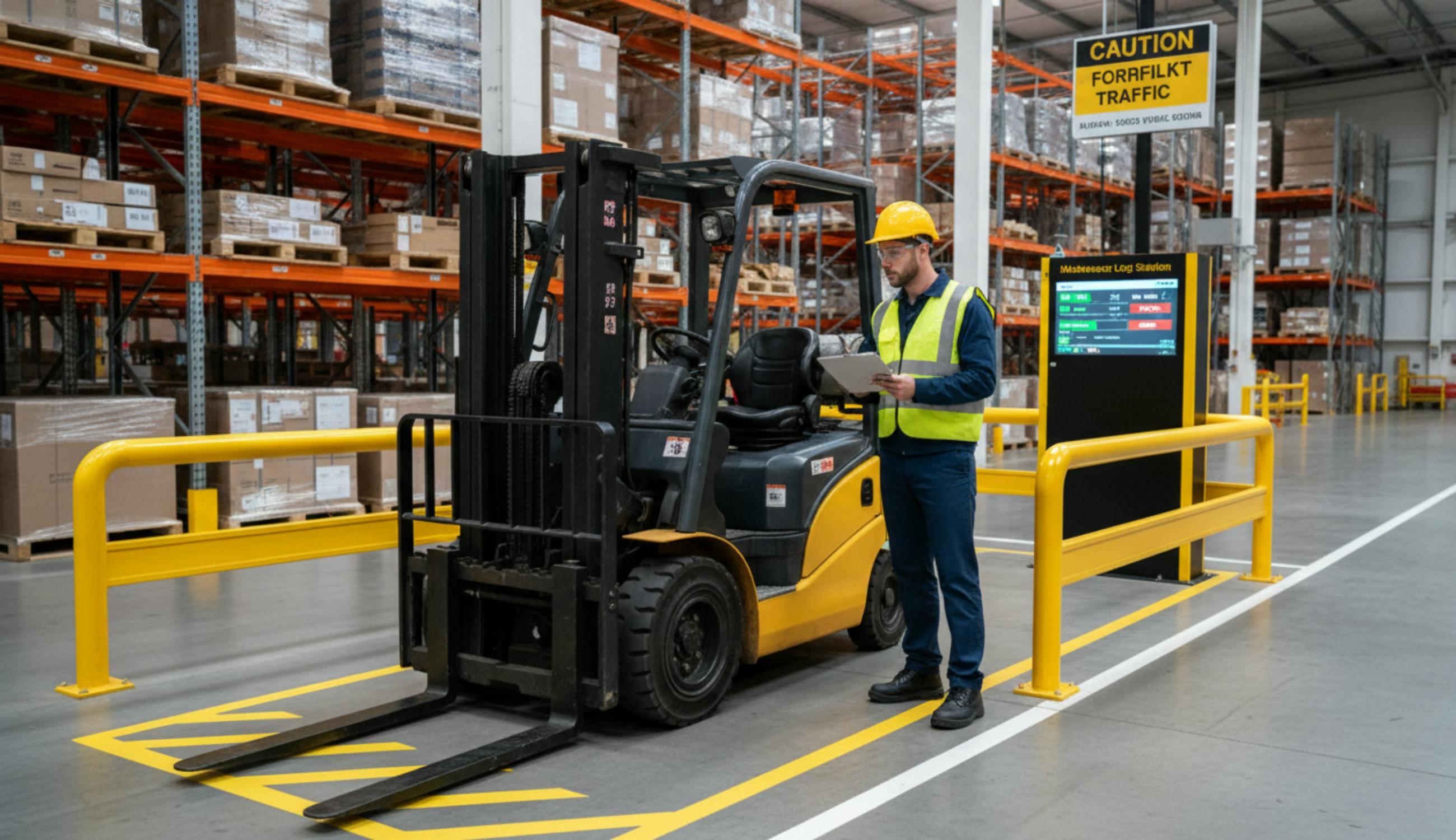
Warehouse equipment—from forklifts to conveyor systems—requires rigorous safety protocols and maintenance schedules. Equipment failures cause some of the most severe warehouse injuries and create significant operational disruptions.
Forklift Safety Essentials
Forklifts present the highest equipment-related risk in most warehouse environments. UK regulations require all operators to hold valid certification, daily pre-use inspections documented before operation, defined traffic routes separating pedestrians and vehicles, speed limits appropriate to different warehouse zones, and regular maintenance schedules with documented service records.
Automated Systems Safety
Modern fulfilment centres increasingly incorporate automation, from conveyor belts to robotic picking systems. These technologies introduce new safety considerations that traditional protocols may not address.
Technology-forward 3PL providers use these automated systems to enhance both safety and performance. When robots handle repetitive picking tasks, human workers face fewer ergonomic risks while the operation achieves greater consistency. The smart fulfilment trends shaping 2026 emphasise this convergence of safety and efficiency.
Protocol 4: Fire Safety and Emergency Response Planning
Fire safety in warehouses extends beyond basic fire extinguisher placement. It requires comprehensive planning that accounts for stock characteristics, building layout, and evacuation complexity.
Fire Risk Factors in E-commerce Fulfilment
E-commerce warehouses present unique fire risks. High-density storage, cardboard packaging materials, and electrical systems create conditions that can escalate quickly. Many facilities store products with varying flammability—from cosmetics to electronics—requiring zone-specific precautions.
Emergency Response Integration
Fire safety integrates with broader emergency response planning. Modern warehouses benefit from supply chain control tower capabilities that provide real-time visibility across operations. This visibility extends to emergency scenarios, enabling faster response and better coordination with emergency services.
Protocol 5: Health Monitoring and Incident Reporting Systems
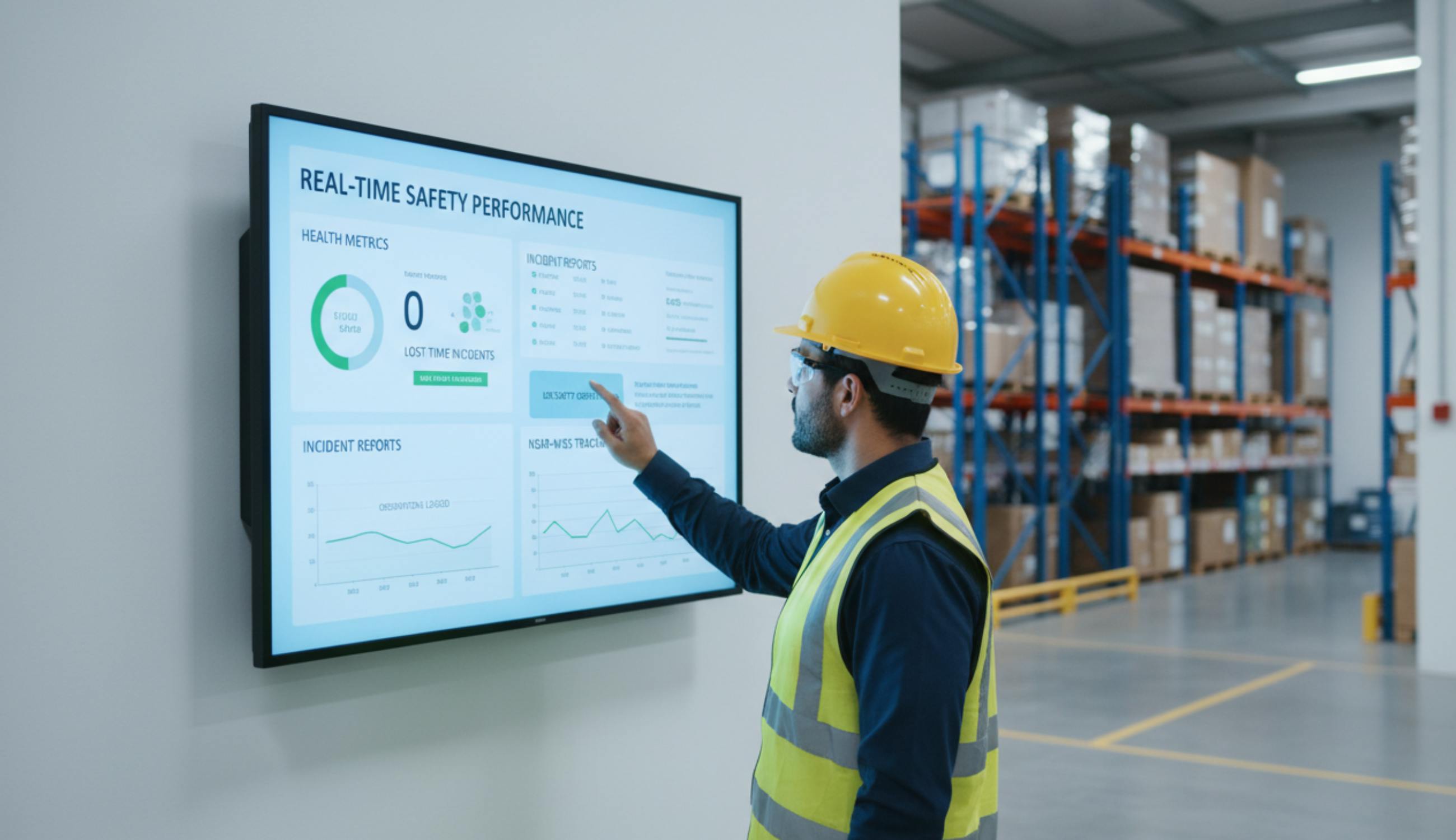
Proactive health monitoring identifies risks before they result in injuries. Effective incident reporting creates the feedback loop necessary for continuous safety improvement.
Technology-Enabled Monitoring
Advanced warehouse management systems now incorporate safety monitoring features. Sensors track environmental conditions, equipment status, and movement patterns. This data feeds into dashboards that highlight emerging risks before they cause incidents.
Brands managing logistics fixed costs often overlook how safety investments affect their total cost of ownership. Preventive measures consistently cost less than reactive responses to injuries and incidents.
The Role of Technology in Warehouse Safety
Technology transforms warehouse safety from reactive compliance to proactive prevention. Modern warehouse management solutions address safety at multiple levels.
Robotics and Safety
Robotics technology reduces human exposure to hazardous tasks. In fulfilment operations, robots handle repetitive lifting, navigate warehouse floors without collision, and maintain consistent performance without fatigue-related errors.
OPLOG's TARQAN robotics platform exemplifies this approach. By automating picking and packing processes, TARQAN reduces the manual handling burden on workers while improving operational accuracy. The result is safer operations that also deliver better customer outcomes.
Data-Driven Safety Improvement
Visibility platforms like OPLOG ONE provide the data foundation for continuous safety improvement. When you can track every operational variable, identifying safety-relevant patterns becomes systematic rather than anecdotal. This data-driven approach aligns with same-day delivery comparisons where speed must balance against safe handling practices.
Implementing Safety Protocols: Practical Steps
Transforming these protocols from documentation to practice requires systematic implementation. Begin with an honest evaluation of current practices against each protocol area. Identify gaps between current state and compliant operations. Prioritise based on risk severity—addressing the highest-risk gaps first.
Develop written policies for each protocol area. Roll out training programmes that cover new policies and procedures. Put policies into practice with clear timelines and accountability. Schedule regular reviews—at minimum annually—to assess effectiveness and update for operational changes.
Why Many UK Brands Choose 3PL Partners for Compliant Operations

Managing warehouse safety in-house requires significant expertise, investment, and ongoing attention. Many UK e-commerce brands find that partnering with a technology-forward 3PL provider offers a more effective path to compliant operations.
Established 3PL providers maintain dedicated safety expertise that would be expensive for individual brands to replicate. Their protocols reflect accumulated experience across multiple clients and operational scenarios. When you partner with a provider like OPLOG, you benefit from warehouse management protocols developed through continuous refinement.
OPLOG's Maestro WMS and TARQAN robotics platform represent this technology advantage. Robotics reduce human exposure to repetitive strain injuries while the warehouse management system ensures consistent protocol adherence across all operations.
The PAYG model transforms the cost equation. Safety costs become variable, scaling with operational volume. This alignment ensures consistent safety standards regardless of seasonal fluctuations—you never face the choice between cutting safety corners and maintaining profitability during slow periods.
Conclusion: Safety as Competitive Advantage
Warehouse safety protocols are not merely regulatory obligations. They represent operational excellence that protects your workers, your business, and your customers. UK brands that treat safety as strategic rather than administrative gain advantages in reliability, worker retention, and operational efficiency.
The five protocols outlined in this guide—hazard identification, manual handling procedures, equipment safety, fire safety, and health monitoring—form the foundation of compliant warehouse operations. Implementing them requires commitment, but the returns in reduced incidents, improved efficiency, and protected reputation far exceed the investment.
Whether you manage fulfilment internally or partner with a 3PL provider, these protocols deserve serious attention. For brands seeking compliant, technology-forward fulfilment without the complexity of building internal safety programmes, OPLOG offers a proven alternative. Our robotics-powered fulfilment centres maintain rigorous safety standards while delivering the operational performance that growing e-commerce brands require.
Safe operations and productive operations are not competing priorities. With the right protocols and technology, they reinforce each other—creating the foundation for sustainable growth in competitive UK markets.