The race for faster delivery times has fundamentally changed e-commerce. Customers no longer see same-day delivery as a luxury. They expect it as standard.
For brands operating in the UK market, this shift creates both opportunity and challenge. The question is no longer whether to offer same-day delivery. The question is how to deliver it profitably.
Traditional ecommerce warehouse operations struggle to meet these demands. Manual picking processes, limited inventory visibility, and rigid operational structures simply cannot keep pace.
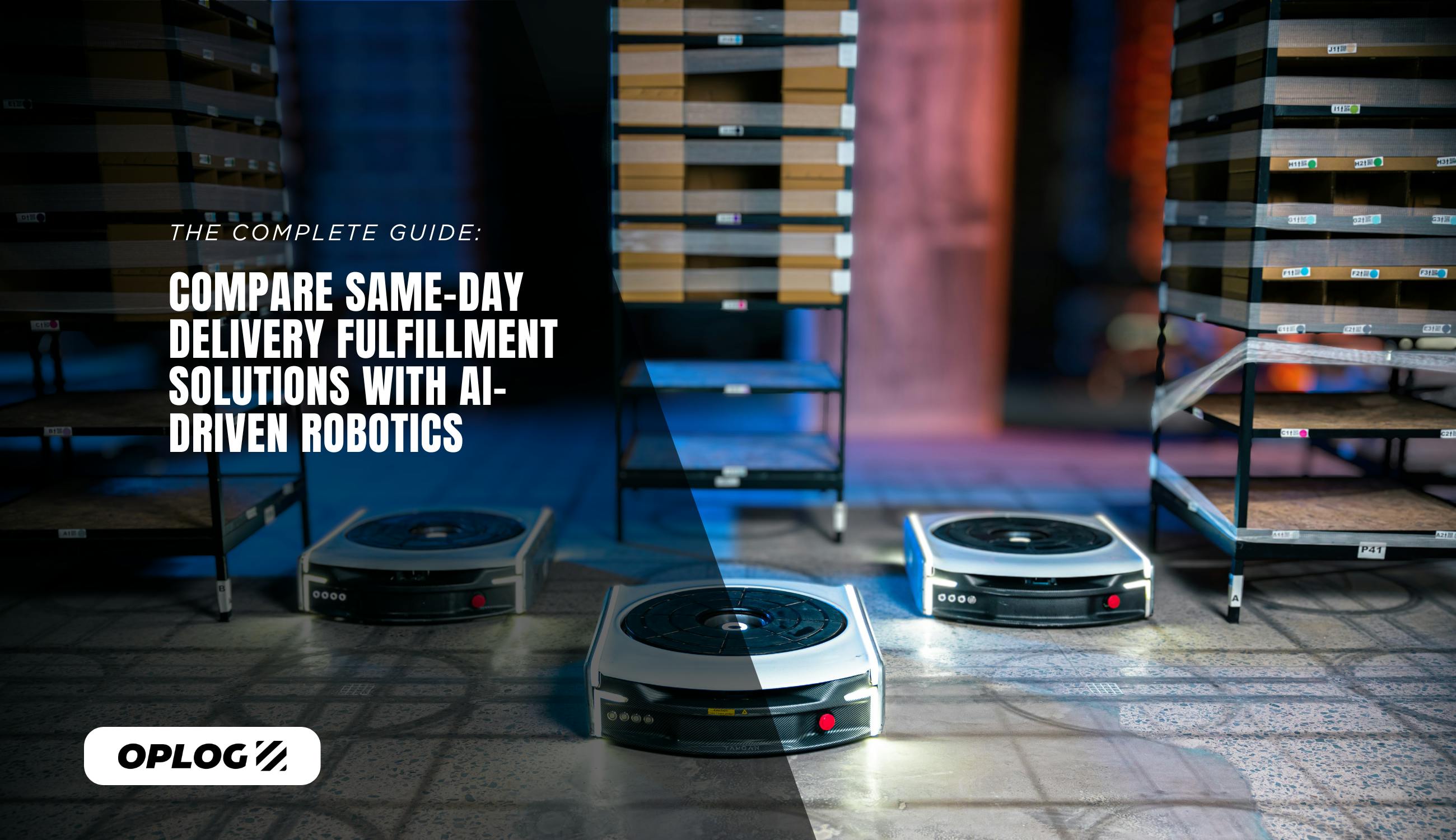
This is where AI-driven robotics enters the conversation. Modern ecommerce logistics solutions powered by artificial intelligence are redefining what's possible in same-day and expedited delivery operations.
Why Same-Day Delivery Matters More Than Ever
Consumer expectations have evolved dramatically. Research shows that 61% of shoppers are willing to pay extra for express delivery options. In competitive markets like the UK, delivery speed directly impacts conversion rates. A slow delivery promise often means an abandoned cart.
But speed alone isn't enough. Accuracy matters equally. A fast delivery that arrives with the wrong item damages customer trust irreparably. This dual requirement of speed and precision is exactly why traditional fulfillment approaches fall short.
Manual operations introduce human error at multiple touchpoints. Picking mistakes, packing errors, and inventory miscounts compound during high-volume periods. Peak seasons become operational nightmares. Staff fatigue leads to more mistakes precisely when accuracy matters most.
The Rise of AI-Powered Fulfillment
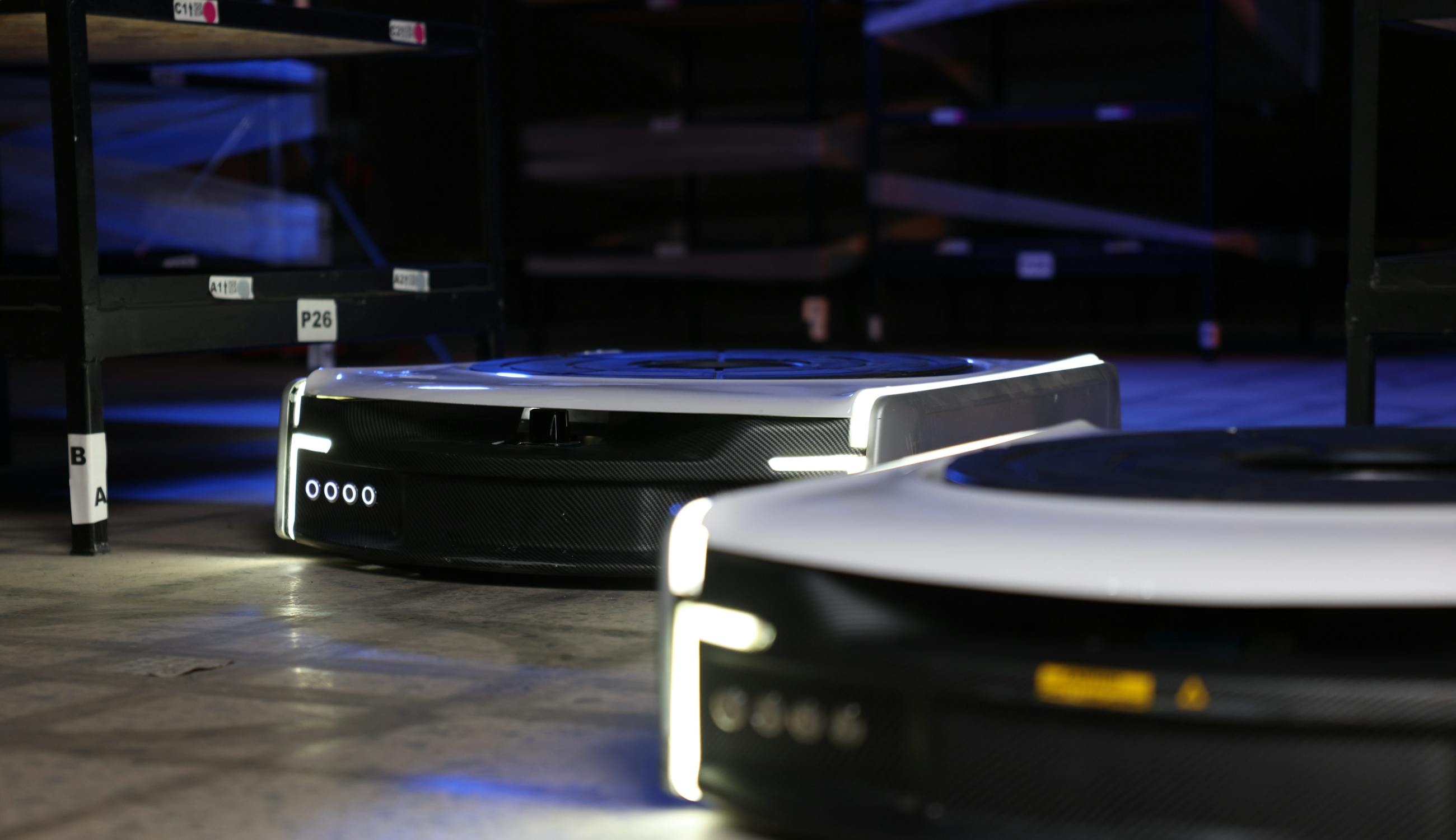
AI-driven robotics represents a paradigm shift in fulfillment operations. These systems don't simply automate existing processes. They fundamentally reimagine how orders move through a warehouse.
Modern robotics in fulfillment combines several key technologies. Computer vision enables robots to identify and handle diverse product types. Machine learning algorithms optimize picking routes in real-time. Predictive analytics anticipate demand patterns before they materialise.
Companies like OPLOG have pioneered this approach with their TARQAN robotics system, demonstrating what's achievable when AI and automation work together. The result is operational performance that manual processes simply cannot match.
AI-powered fulfillment centers routinely achieve 99.9% accuracy rates. Order processing times drop from minutes to seconds. Most importantly, these performance levels remain consistent regardless of volume fluctuations.
Key Factors When Comparing Fulfillment Solutions
Not all AI-driven fulfillment solutions deliver equal value. Understanding the critical differentiators helps brands make informed decisions.
Real-Time Order Tracking and Inventory Visibility
Visibility transforms fulfillment operations. Without it, you're operating blind. Real-time tracking enables proactive problem-solving rather than reactive firefighting. Improving inventory visibility across your entire operation is no longer optional for brands pursuing same-day delivery.
Modern fulfillment platforms function as a supply chain control tower, providing end-to-end visibility across every operation. You see exactly where each order stands at any moment. Inventory levels update instantly. Potential bottlenecks become visible before they cause delays.
This visibility extends to customers as well. Real-time tracking information keeps buyers informed throughout the delivery journey. Informed customers are satisfied customers.
Scalability Without Complexity
Same-day and expedited shipping demands fluctuate unpredictably. Promotional campaigns create sudden spikes. Seasonal patterns vary year over year. A managed logistics solution must scale seamlessly with these changes.
Traditional 3PL contracts often penalise growth. Fixed capacity agreements mean paying for space you don't use during slow periods. During peak times, you hit capacity limits that constrain sales.
AI-driven fulfillment with flexible pricing models eliminates this friction. Pay-as-you-go approaches align costs with actual activity. OPLOG's PAYG model exemplifies this philosophy—your fulfillment expenses scale proportionally with your business.
No minimum commitments penalise slow months. No capacity constraints limit busy periods. This makes modern fulfillment centers ideal for small business operations seeking enterprise-grade capabilities.
Integration Capabilities

Fulfillment doesn't exist in isolation. It connects to your e-commerce platform, your inventory management, your customer service systems. Seamless integration determines operational efficiency.
The best AI-powered retail logistics solutions offer native integrations with major platforms. Shopify, WooCommerce, Magento, and marketplace connections should work out of the box. Custom API access enables deeper integration where needed. Modern 3PL WMS software connects these systems into a unified operation.
Strong order management systems improve customer satisfaction by ensuring accurate information flows between systems. Orders sync automatically. Inventory updates propagate instantly. Customer communications trigger at the right moments.
Evaluating AI Robotics Capabilities
The term "AI-driven robotics" covers a wide spectrum. Some solutions offer basic automation. Others deliver truly intelligent intralogistics operations. Understanding this spectrum helps identify genuine capabilities.
Picking and Packing Automation
Core robotics capabilities focus on picking and packing operations. Autonomous mobile robots navigate warehouse floors efficiently. Robotic arms handle diverse product types with precision.
But capability without intelligence offers limited value. True AI-driven systems learn from every operation. They identify patterns in order composition. They optimise picking sequences based on product locations and order priorities. They adapt to new products without manual programming.
Predictive Demand Planning
AI excels at pattern recognition. Advanced fulfillment systems analyse historical data to predict future demand. They identify seasonal trends, promotional impacts, and market shifts before they materialise.
This predictive capability transforms inventory management. Stock positions automatically adjust based on anticipated demand. Popular items pre-position closer to shipping zones. Slow movers consolidate to free premium space.
The result is faster fulfillment with lower inventory carrying costs. Products are where they need to be when orders arrive.
Continuous Learning and Optimisation
Static automation delivers static results. AI-driven systems continuously improve. They analyse operational data to identify optimisation opportunities. They test variations to find better approaches. They adapt to changing conditions without human intervention.
This continuous learning compounds over time. Month over month, performance improves. Error rates decrease. Throughput increases. The fulfillment operation becomes more efficient simply by operating.
The Cost Equation: Traditional vs. AI-Driven Fulfillment
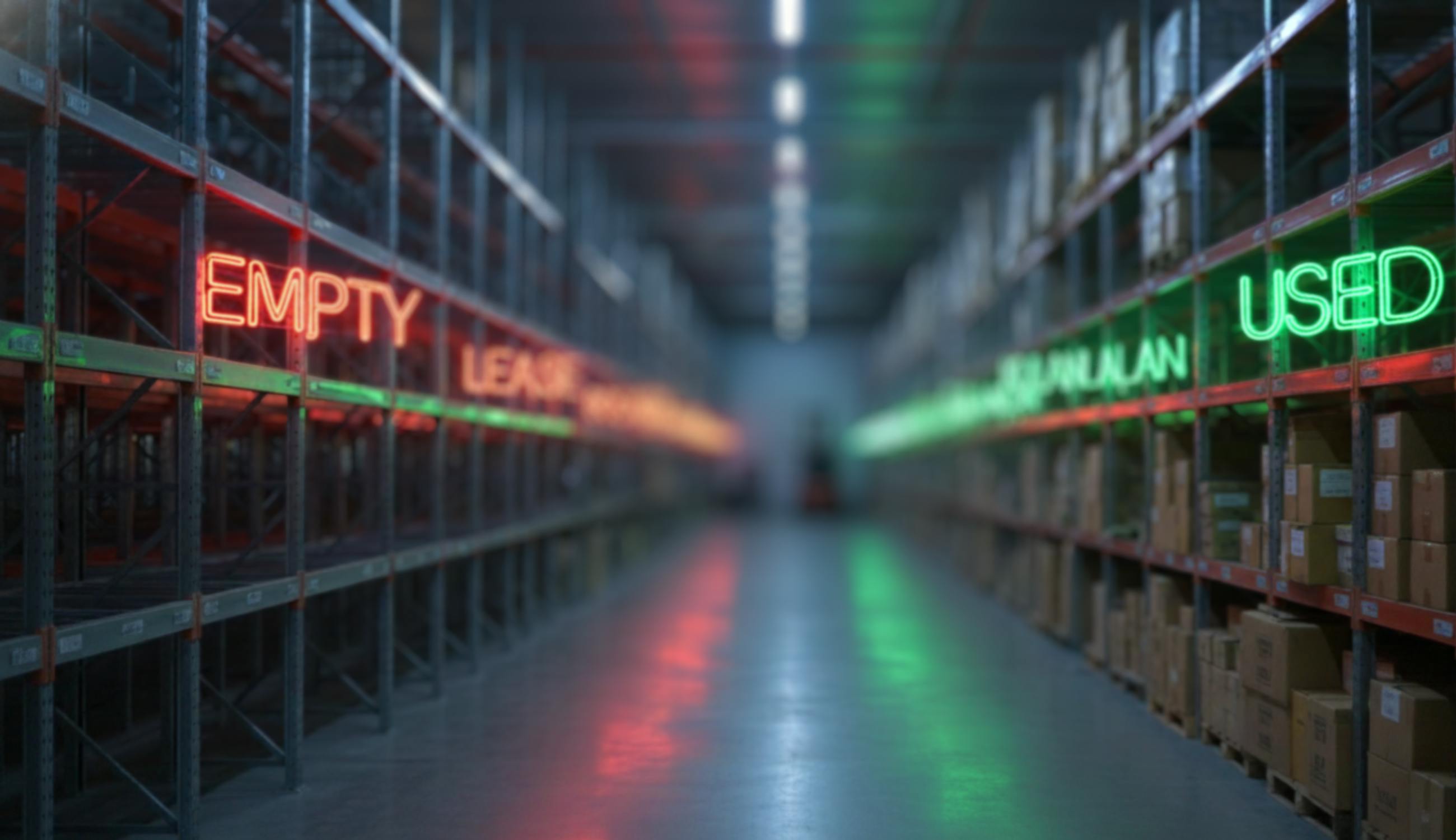
Cost comparisons require careful analysis. Surface-level pricing often obscures true operational costs.
Traditional fulfillment typically involves fixed infrastructure costs. Warehouse leases, equipment depreciation, and staff salaries remain constant regardless of volume. During slow periods, these fixed costs erode margins. During peak periods, overtime and temporary staffing add unexpected expenses.
AI-driven fulfillment restructures this equation. Robotic systems require significant initial investment but deliver predictable operating costs. Per-unit fulfillment costs decrease as volume increases. The economics improve precisely when it matters most.
When evaluating providers, look beyond per-pick pricing. Consider total cost of ownership including error rates, returns processing, and integration maintenance. A slightly higher per-unit cost often delivers lower total costs through superior accuracy and efficiency.
Implementation Considerations
Transitioning to AI-driven fulfillment requires careful planning. Several factors influence successful implementation.
Transition Timeline
Moving inventory to a new fulfillment partner involves risk. Stock transfers must coordinate with sales activity. System integrations require testing before going live.
The best fulfillment partners provide structured onboarding processes. Clear timelines set expectations. Dedicated support teams manage the transition. Phased approaches reduce risk by validating operations before full cutover.
Partner Selection Criteria
Choosing the right supplier determines long-term success. Technology capabilities matter, but so do operational expertise and cultural fit.
Ask potential partners about their robotics technology. Understand their accuracy rates and how they measure them. Request references from similar businesses. Evaluate their support model and escalation procedures.
Geographic coverage matters for same-day delivery. UK fulfillment requires UK-based operations. European expansion requires continental presence.
Providers like OPLOG operate fulfillment centers across the UK and Europe. This enables true last-mile fulfilment capabilities.
It also provides multi-carrier delivery options that directly impact your ability to offer same-day service to customers.Ensure your chosen partner can support your growth trajectory.
The Future of Same-Day Fulfillment
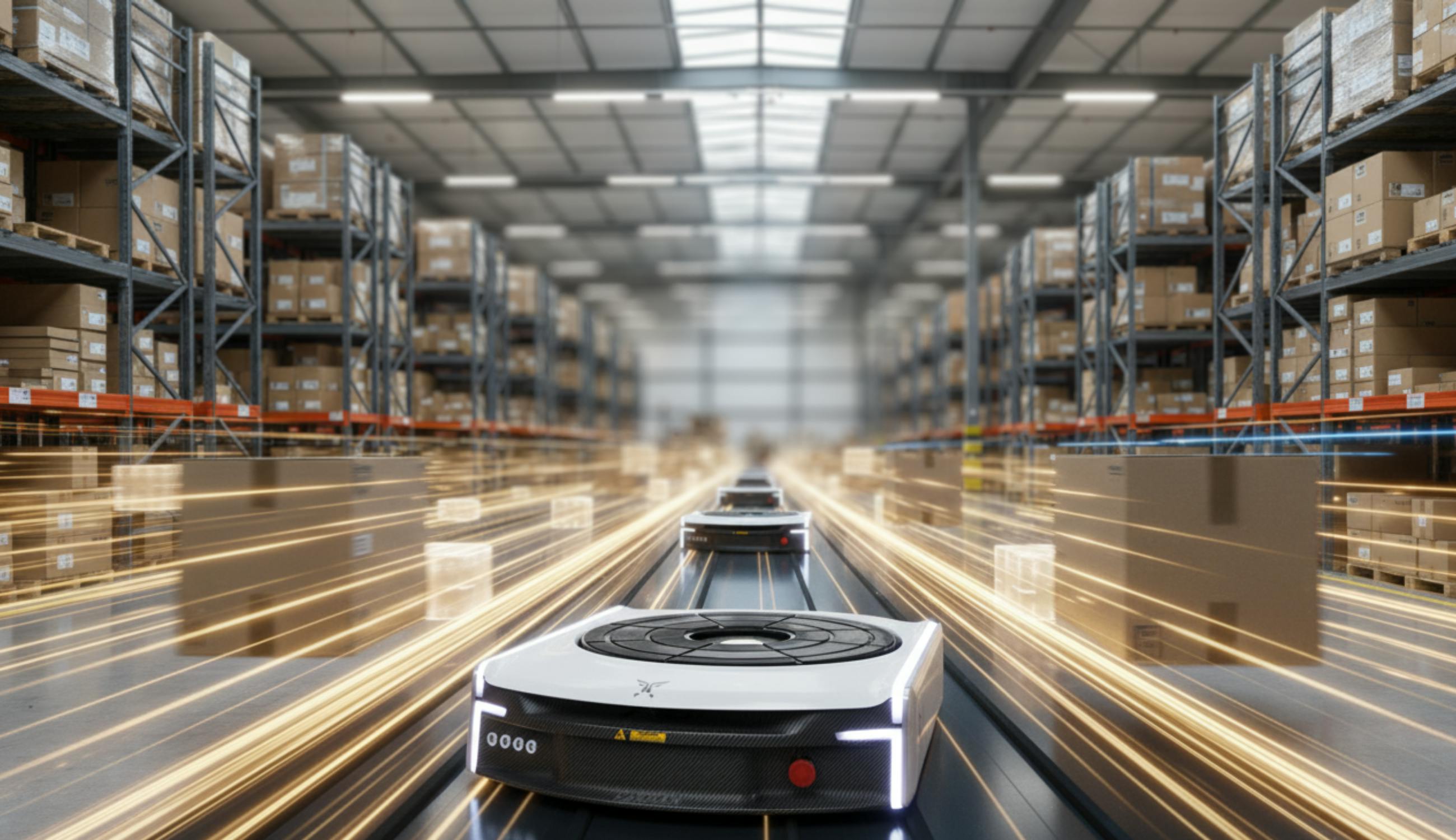
Technology continues advancing rapidly. Current AI capabilities represent just the beginning.
Smart fulfillment trends point toward even greater integration between robotics and predictive systems. Machine learning models will anticipate orders before customers complete checkout. Inventory will pre-position based on browsing behaviour. Delivery windows will narrow from hours to minutes.
For brands planning their fulfillment strategy, these trends matter. Solutions that adapt and evolve deliver lasting value. Static systems become competitive liabilities.
Making the Right Choice
Same-day delivery capability increasingly separates market leaders from followers. AI-driven robotics makes consistent same-day performance achievable. The technology exists today to deliver speed, accuracy, and scalability simultaneously.
The decision isn't whether to modernise fulfillment operations. The decision is when. Early movers build customer relationships based on delivery excellence. Late movers struggle to catch up while losing customers to faster competitors.
Evaluating AI-driven fulfillment solutions requires understanding your specific needs. Consider your volume patterns, product characteristics, and growth plans. Match these requirements against provider capabilities. Select a partner whose technology and expertise align with your trajectory.
The brands winning in e-commerce today share a common trait. They've recognised that fulfillment is not a back-office function but a competitive advantage.
AI-driven robotics transforms this advantage from aspiration to reality. With partners like OPLOG delivering robotics-native fulfillment across the UK and Europe, same-day delivery becomes not just possible, but profitable.