The e-commerce landscape has fundamentally changed how businesses operate across multiple sales channels. Modern consumers expect seamless purchasing experiences whether they shop online, in-store, or through social commerce platforms. Meeting these expectations requires more than traditional warehouse operations. It demands intelligent automation, real-time visibility, and flexible fulfillment capabilities that only robotic logistics can deliver.
Selecting the right robotic logistics partner for your omnichannel fulfillment strategy represents one of the most critical decisions for e-commerce brands today. The partner you choose directly impacts order accuracy, delivery speed, operational costs, and ultimately customer satisfaction. This guide walks you through the essential criteria, questions to ask, and factors to evaluate when making this strategic choice.
Understanding Omnichannel Fulfillment Requirements
Omnichannel fulfillment involves managing inventory and orders across diverse sales channels from a unified system. This includes direct-to-consumer e-commerce, marketplace sales on platforms like Amazon and eBay, wholesale B2B orders, and brick-and-mortar retail replenishment. Each channel carries distinct requirements for packaging, labeling, shipping speed, and documentation.
A capable robotic logistics partner must demonstrate proficiency in handling this complexity without creating operational silos. The right partner offers integrated warehouse management systems that synchronize inventory across all channels in real-time. When evaluating potential partners, look for those who have already mastered the intricacies of omnichannel e-commerce logistics and can provide case studies demonstrating successful multi-channel operations.
The complexity multiplies when brands sell internationally. Cross-border fulfillment adds customs documentation, VAT compliance, and regional carrier integrations to the equation. Your robotic logistics partner should have infrastructure or partnerships enabling efficient international expansion without requiring you to manage separate fulfillment networks in each market.
Key Criteria for Evaluating Robotic Logistics Partners
Technology Infrastructure and Automation Capabilities
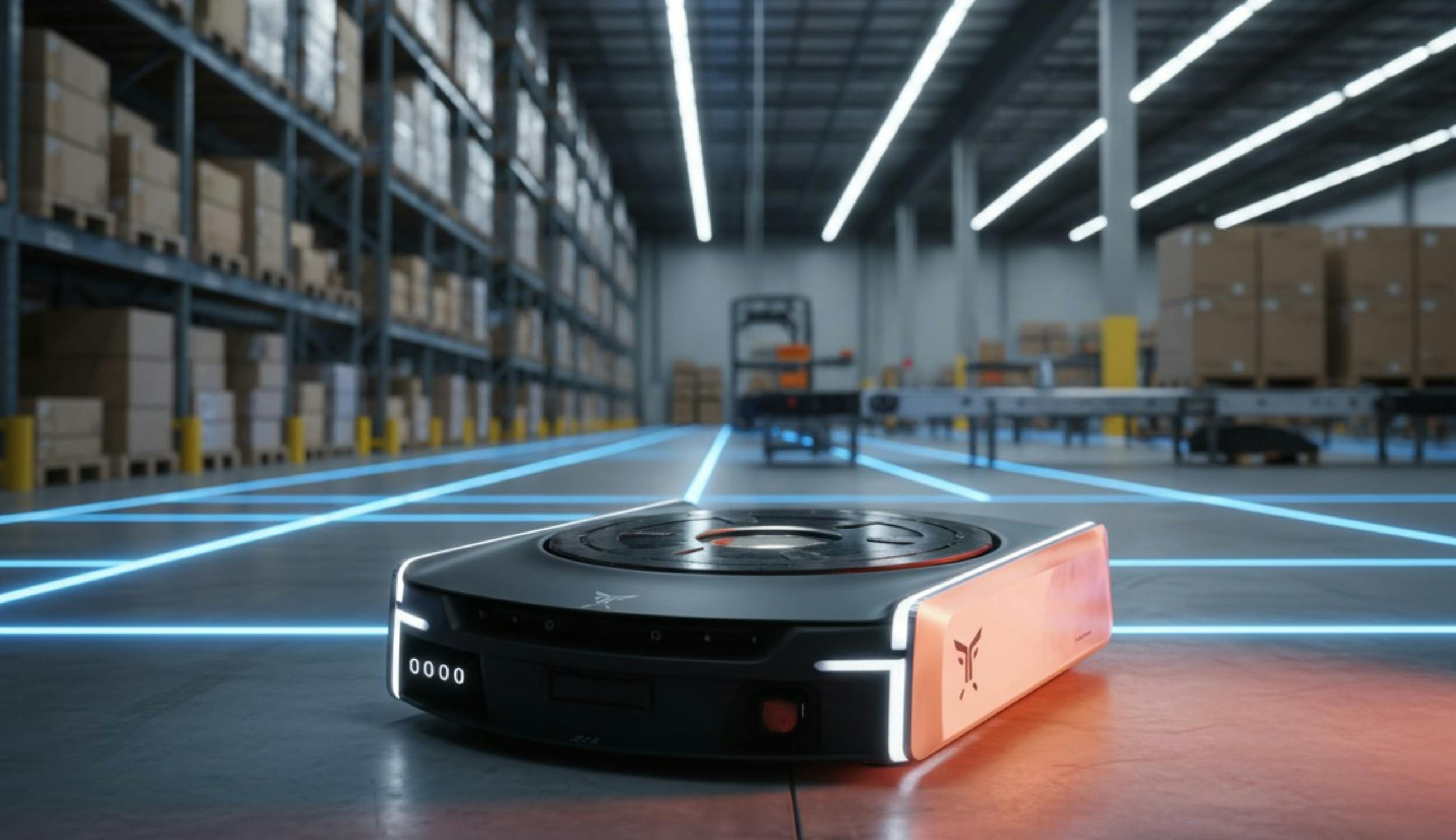
The foundation of any robotic logistics operation lies in its technology stack. Evaluate the warehouse management system capabilities, robotics integration level, and software architecture. Leading fulfillment providers deploy autonomous mobile robots, goods-to-person systems, and AI-powered optimization algorithms that dramatically improve picking accuracy and throughput.
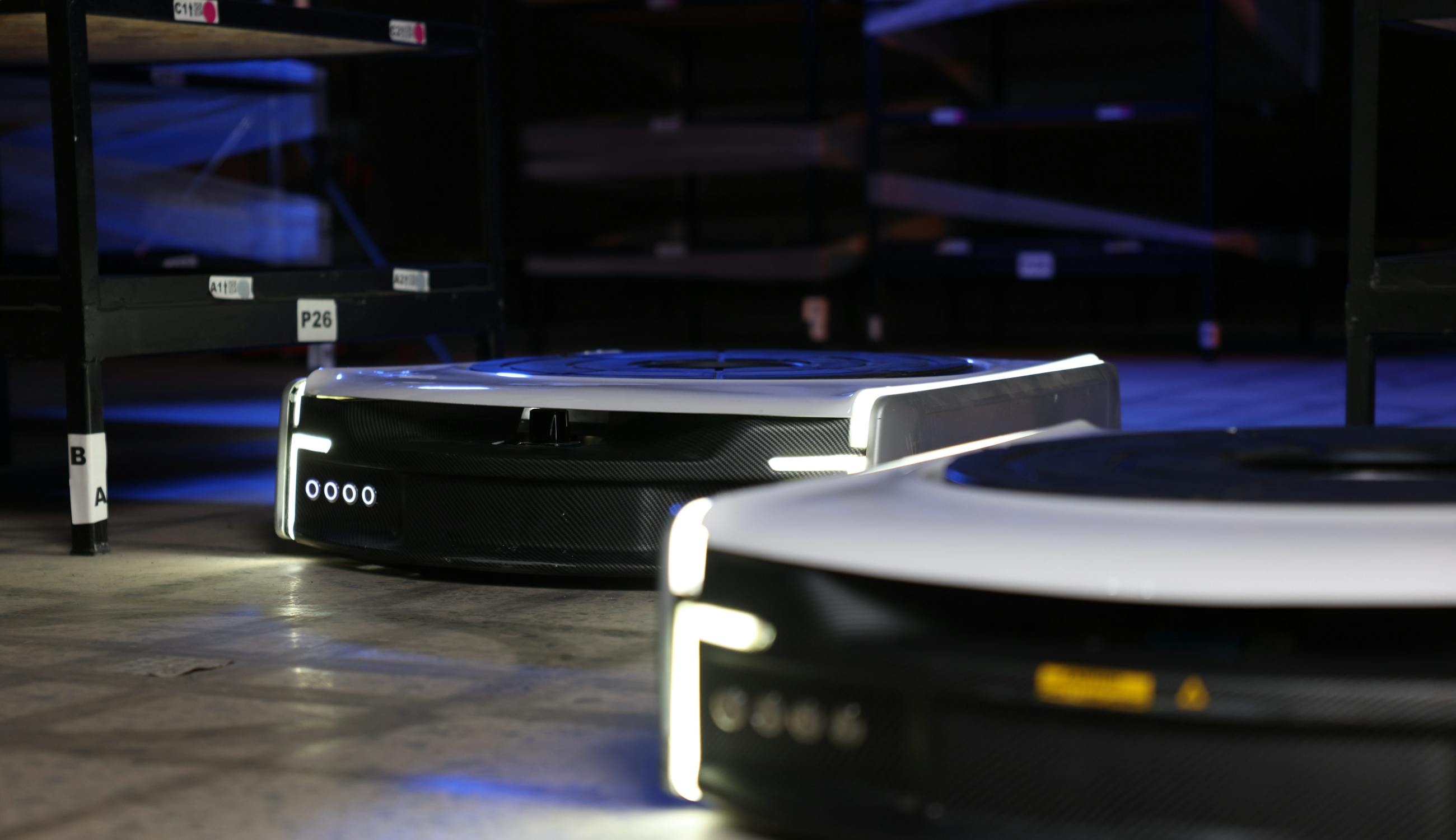
OPLOG, for instance, has developed TARQAN, a proprietary robotics platform specifically designed for e-commerce fulfillment. Understanding what distinguishes different robotic systems helps you make informed comparisons. Dedicated robotics solutions like TARQAN are purpose-built for the complexities of high-SKU e-commerce environments rather than adapted from general industrial automation.
Ask potential partners about their order accuracy rates. Top-tier robotic fulfillment centers consistently achieve 99.9% or higher accuracy. This precision directly reduces costly returns, customer service inquiries, and brand damage from incorrect shipments. Request actual performance data rather than marketing claims when assessing accuracy capabilities.
Scalability and Flexibility
E-commerce businesses experience significant volume fluctuations throughout the year. Peak seasons like Black Friday, holiday periods, and promotional events can multiply daily order volumes by factors of three to ten. Your robotic logistics partner must handle these surges without degrading service levels or requiring lengthy advance notice.
The best partners operate on customer-agnostic models where resources are dynamically allocated across their client base. This shared infrastructure approach enables genuine pay-as-you-go pricing without the fixed costs associated with dedicated fulfillment operations.
You benefit from enterprise-scale automation without committing to minimum volumes or long-term contracts that constrain business flexibility.
Evaluate how quickly a partner can scale operations. Can they double capacity within weeks rather than months? Do they have additional warehouse locations available for geographic expansion? These questions reveal whether the partner can grow alongside your business or become a bottleneck.
Integration Ecosystem
Seamless data flow between your sales channels and fulfillment operations eliminates manual intervention and reduces errors. Assess the partner's pre-built integrations with major e-commerce platforms like Shopify, WooCommerce, Magento, and marketplace APIs. Native integrations reduce implementation time and ongoing maintenance requirements.
Beyond basic order ingestion, evaluate the depth of integration capabilities. Can the system synchronize inventory levels across all channels in real-time?
Does it support automated routing rules based on order characteristics? Can it handle complex scenarios like split shipments or backorder management? A truly integrated fulfillment partner operates as an extension of your operations rather than a disconnected service provider.
The Role of AI and Machine Learning in Modern Fulfillment
Artificial intelligence transforms robotic logistics from simple automation into intelligent optimization. AI-powered systems continuously analyze order patterns, inventory movement, and operational data to improve efficiency. These capabilities extend beyond basic warehouse operations into demand forecasting, inventory positioning, and delivery route optimization.
When evaluating partners, investigate their AI capabilities beyond marketing terminology. How does their system learn from operational data? What specific optimizations has machine learning enabled? The industry is moving toward smart fulfillment as a defining trend, and partners without genuine AI capabilities will increasingly fall behind.
Centralized visibility through control tower solutions has become essential for complex operations. A supply chain control tower provides real-time monitoring across all fulfillment activities, enabling proactive issue resolution before problems impact customers. This visibility proves especially valuable during peak periods when operational complexity reaches its highest levels.
Speed and Delivery Performance
Customer expectations for delivery speed continue accelerating. Same-day and next-day delivery options that were once premium services are becoming standard expectations. Your robotic logistics partner must support these accelerated timelines through efficient operations and strategic warehouse positioning.
Evaluate fulfillment cutoff times carefully. When is the latest order submission time for same-day dispatch? Partners with advanced robotics can often process orders later into the day while still meeting carrier pickup windows. Understanding how different providers compare on same-day delivery capabilities helps you benchmark expectations.
Geographic warehouse positioning directly impacts delivery speed and cost. Partners with multiple fulfillment centers allow strategic inventory distribution closer to customer concentrations. This distributed approach reduces transit times and shipping costs simultaneously. Ask potential partners about their facility footprint and expansion plans.
Evaluating Total Cost of Ownership

Comparing fulfillment partner costs requires looking beyond basic per-unit rates. The total cost of ownership includes obvious fees like storage, pick and pack, and shipping, but also hidden costs such as integration maintenance, minimum commitments, peak surcharges, and technology fees.
Request detailed pricing breakdowns from each potential partner. Understand how costs change with volume variations.
Some partners charge base fees regardless of activity levels, while others offer genuine pay-as-you-go structures where you only pay for actual services rendered. OPLOG's PAYG model exemplifies this flexible approach, eliminating fixed costs that burden growing businesses during slower periods.
Consider the cost of errors in your analysis. A partner with 99.9% accuracy versus 99% accuracy might seem similar, but that difference represents tenfold more incorrect orders. Each error generates return shipping costs, replacement product costs, customer service time, and potential lifetime value losses from disappointed customers.
Understanding Robotics Technology in Fulfillment
Not all robotic systems deliver equal value for e-commerce fulfillment. Different technologies suit different operational profiles. Autonomous mobile robots excel at goods-to-person picking in high-SKU environments. Automated storage and retrieval systems maximize vertical space utilization. Robotic arms handle specialized picking and packing tasks.
Understanding the technology landscape helps you evaluate partner capabilities more effectively. A comprehensive overview of robotics in fulfillment for e-commerce brands explains the different robotic systems available and their respective advantages. This knowledge enables more productive conversations with potential partners about their specific automation approaches.
Evaluate the maturity and proven reliability of robotic systems. Early-stage automation might offer impressive demonstrations but lack operational resilience. Established systems with years of production operation provide confidence in reliability and continuous improvement.
Questions to Ask Potential Partners
When evaluating robotic logistics partners, structure your discovery process around concrete operational questions. What is your average order accuracy rate over the past twelve months? How do you handle volume surges during peak periods? What happens if accuracy or speed SLAs are not met?
Investigate their customer base composition. Do they serve businesses similar to yours in size and complexity? Can they provide references from comparable operations? Partners with relevant experience understand your specific challenges and have already solved similar problems.
Understand their approach to continuous improvement. How do they measure and optimize performance? What investments are they making in technology and infrastructure? Partners committed to ongoing innovation will improve alongside industry advancements rather than becoming obsolete.
Assess their financial stability and business continuity planning. What happens if they experience operational disruptions? Do they have redundant facilities? Understanding risk factors protects your business from supply chain vulnerabilities.
Making the Final Decision
The selection process should culminate in a clear decision framework weighted toward your specific priorities. For some brands, speed dominates the evaluation criteria. For others, cost efficiency or international capabilities take precedence. Document your priorities before beginning evaluations to maintain objectivity throughout the process.
Consider piloting with your top candidates before full commitment. Many robotic logistics partners offer trial periods or gradual onboarding that allows you to validate operational performance before migrating all volume. This approach reduces risk while providing real-world data for final decisions.
The right robotic logistics partner becomes a strategic asset rather than merely a vendor. They contribute to competitive differentiation through superior fulfillment performance. They enable business growth through scalable infrastructure. They protect brand reputation through consistent accuracy and reliability. Taking time to thoroughly evaluate options pays dividends throughout what should become a long-term partnership.
Conclusion
Choosing a robotic logistics partner for omnichannel fulfillment requires balancing multiple factors across technology, operations, cost, and strategic fit. The evaluation criteria outlined in this guide provide a structured framework for making this critical decision. Focus on partners who demonstrate proven robotics capabilities, flexible pricing models, comprehensive integration ecosystems, and genuine commitment to continuous improvement.
As e-commerce continues evolving toward faster delivery, higher accuracy, and seamless omnichannel experiences, your fulfillment partner choice becomes increasingly consequential.
Partners equipped with advanced robotics like OPLOG's TARQAN platform, sophisticated AI optimization, and customer-centric operational models position your brand for success in this demanding environment. The investment in proper evaluation today protects and enables your business growth for years to come.
FAQ