In a pick & pack warehouse, speed without accuracy is just a fast way to lose customers.
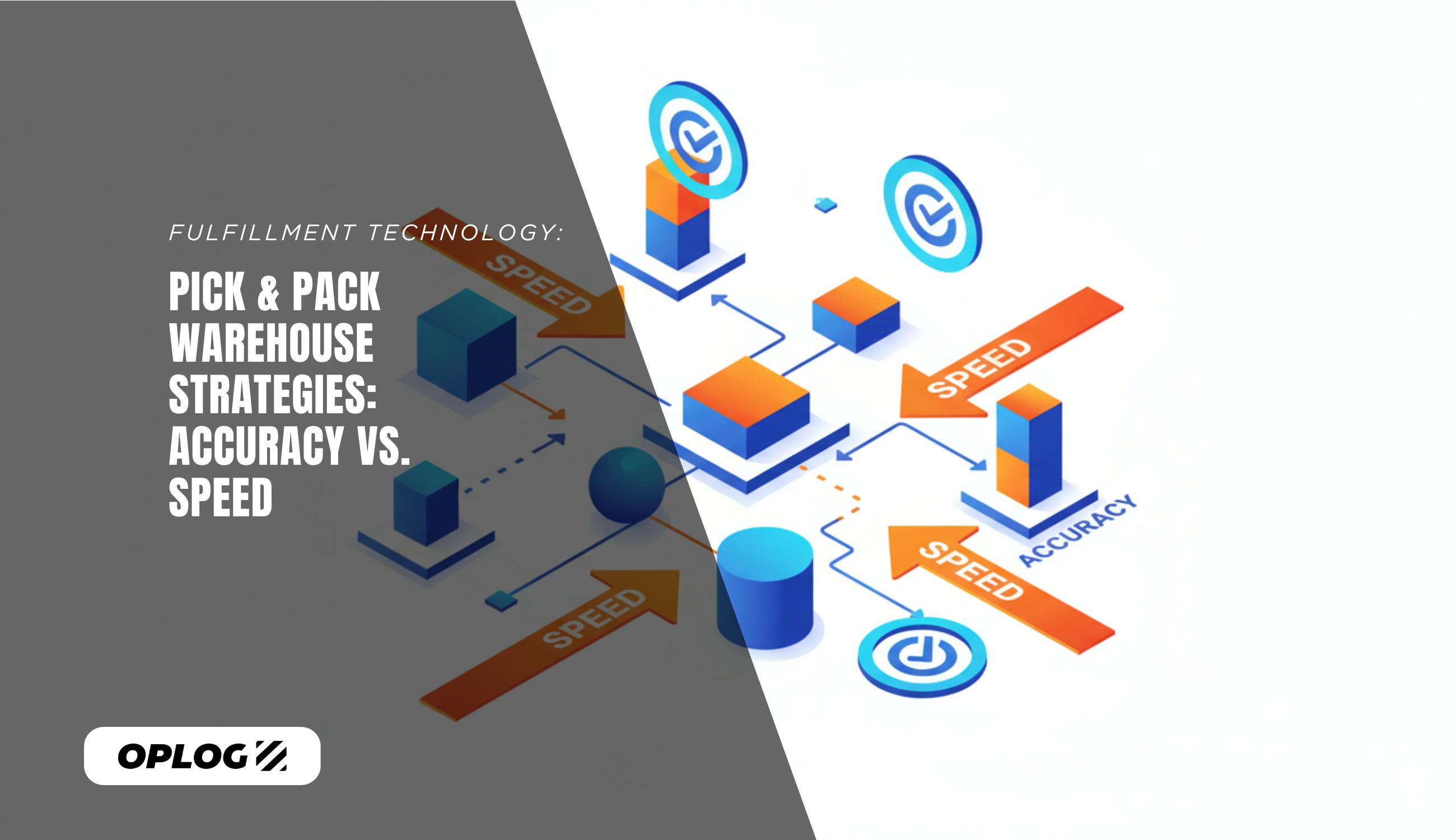
This fundamental truth shapes every decision in modern e-commerce fulfillment. Brands obsess over delivery speed, yet a single wrong item shipped can undo months of marketing efforts. The real challenge lies in achieving both: lightning-fast order processing without sacrificing order accuracy.
This guide explores the critical balance between speed and precision in pick and pack services. You will learn proven strategies to optimize your warehouse operations while maintaining the accuracy rates that keep customers coming back.
Understanding Pick & Pack Warehouse Operations

Pick and pack refers to the core fulfillment process where individual items are selected from inventory storage and prepared for shipment. It sounds simple, but this process determines your operational efficiency, shipping costs, and ultimately, customer satisfaction.
A typical pick & pack warehouse handles thousands of SKUs across multiple storage locations. Each order triggers a series of decisions: which items to pick first, which route to follow through the warehouse, and how to pack items efficiently for safe delivery. Getting these decisions wrong leads to delays, errors, and increased return rates.
The rise of direct-to-consumer (D2C) brands and omnichannel fulfillment requirements has made pick and pack operations more complex than ever. Customers expect fast delivery, accurate orders, and seamless returns. Meeting these expectations requires a strategic approach to warehouse operations.
The Speed Problem: Why Faster Isn't Always Better
E-commerce has created unprecedented pressure on fulfillment speed. Same-day delivery is no longer a premium service but a baseline expectation for many consumers. This pressure pushes warehouses to prioritize throughput above all else.
When comparing same-day delivery fulfillment options, many brands discover that speed-focused operations often hide significant hidden costs. Rushed picking leads to mispicks. Hasty packing results in damaged goods. The time saved in the warehouse gets consumed by customer service calls and return processing.
Consider the true cost of a single picking error. Beyond the obvious expense of return shipping and replacement inventory, you face customer trust erosion, negative reviews, and increased customer acquisition costs. Studies show that 84% of shoppers won't return to a brand after a poor delivery experience.
Order Accuracy: The Foundation of Sustainable Growth

Order accuracy measures the percentage of orders shipped correctly without errors. Industry benchmarks suggest that traditional manual pick and pack services achieve 97-98% accuracy. While this sounds impressive, consider what it means at scale: for every 1,000 orders, 20-30 customers receive wrong items.
High-performing fulfillment centers target 99.5% accuracy or higher. Achieving this level requires systematic approaches to error prevention, not just faster workers. Barcode scanning at every touchpoint, weight verification systems, and quality control checkpoints all contribute to accuracy improvements.
Modern order management systems significantly improve customer satisfaction by providing real-time visibility and automated verification throughout the fulfillment process. These systems catch errors before packages leave the warehouse, preventing the downstream costs of incorrect shipments.
Picking Methods That Balance Speed and Accuracy
The picking strategy you choose directly impacts both throughput and error rates. Each method offers different trade-offs between speed, accuracy, and operational complexity.
Single Order Picking
The simplest approach assigns one picker to one order at a time. The picker travels through the warehouse collecting all items for that specific order before moving to the next. This method offers high accuracy since workers focus on one order without confusion. However, it creates significant travel time waste, especially in large distribution centers with diverse inventory placement.
Batch Picking
Batch picking groups multiple orders together. A picker collects items for several orders in a single trip through the warehouse. This dramatically reduces travel time and increases throughput. The trade-off comes at the packing station, where items must be sorted into individual orders. Without proper systems, batch picking can introduce sorting errors that negate the efficiency gains.
Zone Picking
Zone picking divides the warehouse into distinct areas, with dedicated pickers assigned to each zone. Orders move through zones sequentially, with each picker adding items from their area. This method reduces congestion and allows workers to develop expertise in their specific inventory sections. The challenge lies in balancing workloads across zones and managing order flow between them.
Wave Picking
Wave picking schedules order releases in timed intervals or "waves." Orders are grouped by shipping carrier cutoff times, priority levels, or geographic destinations. This approach optimizes for shipping efficiency and carrier consolidation. However, it requires sophisticated warehouse management software to orchestrate effectively.
Packing Methods That Protect Products and Profits

Picking accuracy means nothing if items arrive damaged. Packing methods must protect products during transit while minimizing dimensional weight charges and material costs.
Effective packing stations combine ergonomic design with systematic verification processes. Packers should have easy access to appropriately sized boxes, void fill materials, and labeling equipment. Weight verification systems catch missing items before boxes are sealed. Photo documentation provides evidence for damage claims and customer disputes.
Cartonization algorithms determine optimal box sizes for each order, reducing shipping costs and environmental waste. These systems analyze item dimensions and fragility to recommend the most efficient packaging configuration.
Technology's Role in Modern Pick and Pack Services
The smart fulfillment trends shaping 2026 point toward increased automation and artificial intelligence integration. Warehouse management systems (WMS) now optimize pick paths in real-time, reducing travel time by 30% or more. Barcode and RFID scanning eliminate manual data entry errors.
Put-to-light and pick-to-light systems guide workers to exact locations, reducing search time and picking errors. Voice-directed picking keeps hands free while providing audio instructions for each pick. These technologies transform average workers into high performers without extensive training.
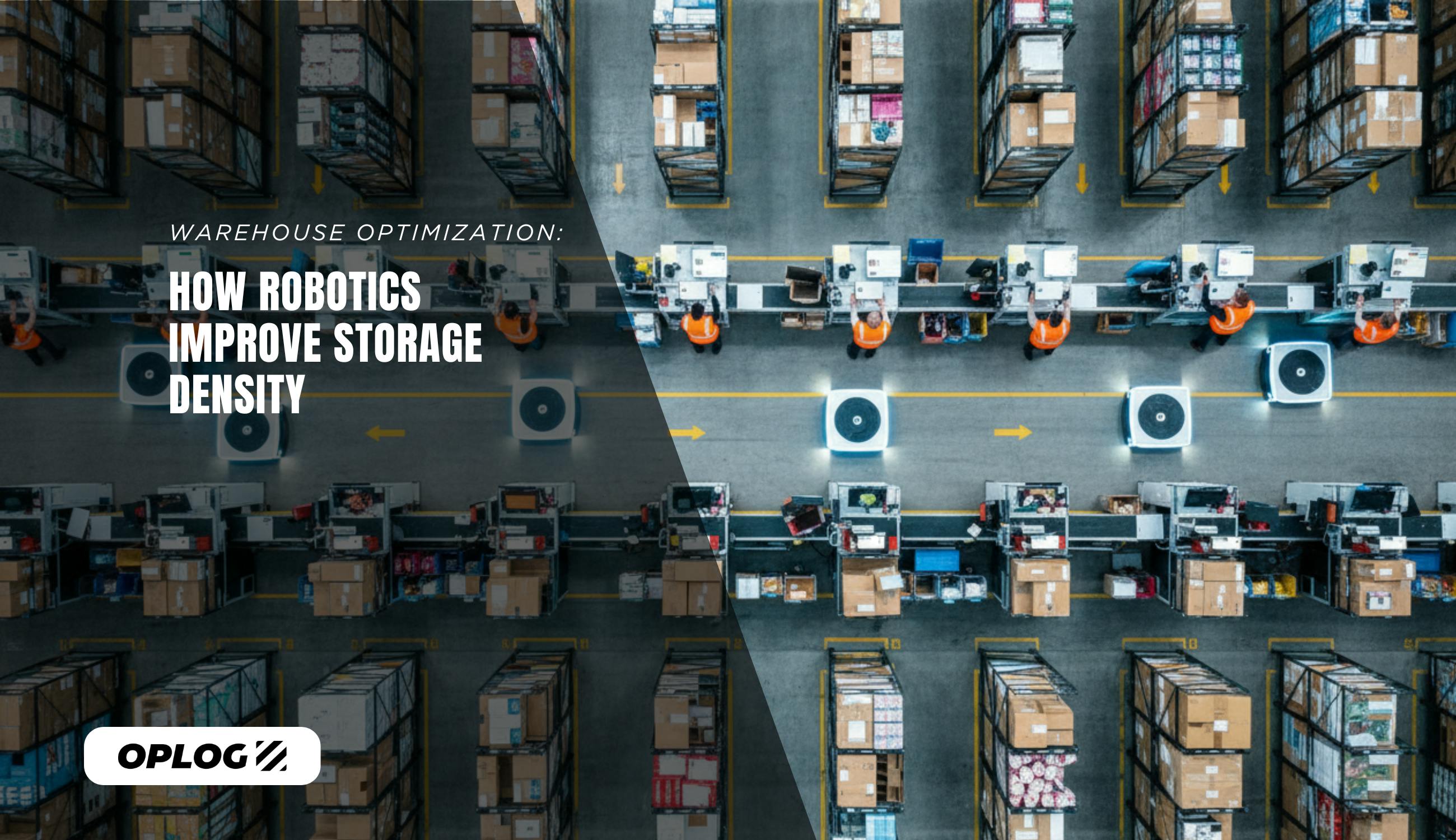
Robotics in fulfillment represents the next evolution in pick and pack warehouse operations. Autonomous mobile robots (AMRs) bring shelves to pickers, eliminating travel time entirely. Robotic arms handle repetitive picking tasks with consistent precision. These systems achieve accuracy rates exceeding 99.9% while maintaining high throughput.
Third Party Logistics: Outsourcing Pick and Pack Operations
Many brands struggle to build and maintain pick and pack capabilities internally. The capital investment in warehouse space, technology, and trained staff creates significant fixed costs that don't scale efficiently with order volume fluctuations.
Third party logistics (3PL) providers offer an alternative through flexible cost structures that convert fixed expenses to variable ones. Pay-as-you-go models align fulfillment costs directly with sales volume. During slow periods, costs decrease automatically. During peak seasons, capacity scales without capital investment.
The best 3PL partners bring technology and expertise that would take years to develop internally. They spread infrastructure costs across multiple clients, achieving economies of scale that benefit everyone. Their experience across diverse product categories and order profiles informs continuous improvement in pick and pack processes.
How OPLOG Elevates Pick and Pack to Enterprise Levels
OPLOG approaches the speed versus accuracy challenge differently. Rather than forcing a trade-off, OPLOG's TARQAN robotic system delivers both simultaneously. The result is 99.9% order accuracy combined with significantly faster order processing times.
TARQAN robots work alongside human operators in a goods-to-person model. Instead of workers walking miles through the warehouse, robots bring inventory directly to ergonomically designed picking stations. This eliminates travel time waste while reducing physical strain on workers.
Every pick is verified through integrated scanning systems. Weight sensors confirm correct items before packing begins. The Maestro WMS orchestrates the entire process, optimizing robot movements and work distribution in real-time. OPLOG ONE provides clients with complete visibility into their inventory and order status.
The customer-agnostic operational model means resources are dynamically allocated across all clients. Peak season demands for one brand are balanced against steady-state operations for others. This approach delivers enterprise-level pick and pack services to growing brands without enterprise-level costs.
Conclusion: Building a Pick & Pack Strategy for Growth
The accuracy versus speed debate misses the point. Modern pick & pack warehouse operations can achieve both when supported by the right technology, processes, and partners. The key lies in eliminating the waste and errors that slow traditional operations.
Start by measuring your current accuracy rates and processing times. Identify where errors originate and where time gets wasted. Evaluate picking methods that match your order profiles and inventory characteristics. Consider whether technology investments or 3PL partnerships offer the fastest path to improvement.
The brands that thrive in e-commerce fulfillment refuse to accept the false choice between fast and accurate. They invest in systems and partnerships that deliver both. OPLOG's robotic precision represents this new standard: enterprise-level pick and pack services that turn warehouse operations from a cost center into a competitive advantage.
FAQ