The Secret Key to Profitability in Enterprise Companies: Improving the P&L Statement with Fulfillment Management
In the world of large-scale retail and commerce, the rules of the game have changed radically over the last decade. While company success used to be measured solely by total turnover at the end of the year, in today's hyper-competitive market conditions, the focus has shifted to the concept of "sustainable profitability."
Cost pressures created by inflation, fluctuations in raw material prices, and increasing competition costs in digital marketing are narrowing the financial maneuvering space of large companies. At this exact point, optimizing every single item on the income statement (P&L), which is considered the heart of the company, carries vital importance.
If you are a top-level executive or operations director of a corporate company, you know that success in financial statements does not depend solely on the performance of the sales team. The real battle for profitability is won on the field of operational efficiency.
The most critical players on this field are e-commerce infrastructure, logistics management, and fulfillment processes, which are often thought to remain in the background but directly determine the cost structure.
In this comprehensive guide, we will handle—with the vision of an e-commerce consultant—how operational processes can be transformed into financial levers to protect and improve the financial health of a corporate structure.
Our goal will be to draw a roadmap for transforming logistics and end-to-end fulfillment processes from a cost center into a strategic power that provides cash flow and profitability to your company. If you are ready, let's begin!
1. The Invisible Face of the P&L: Fixed Costs and Operational Flexibility

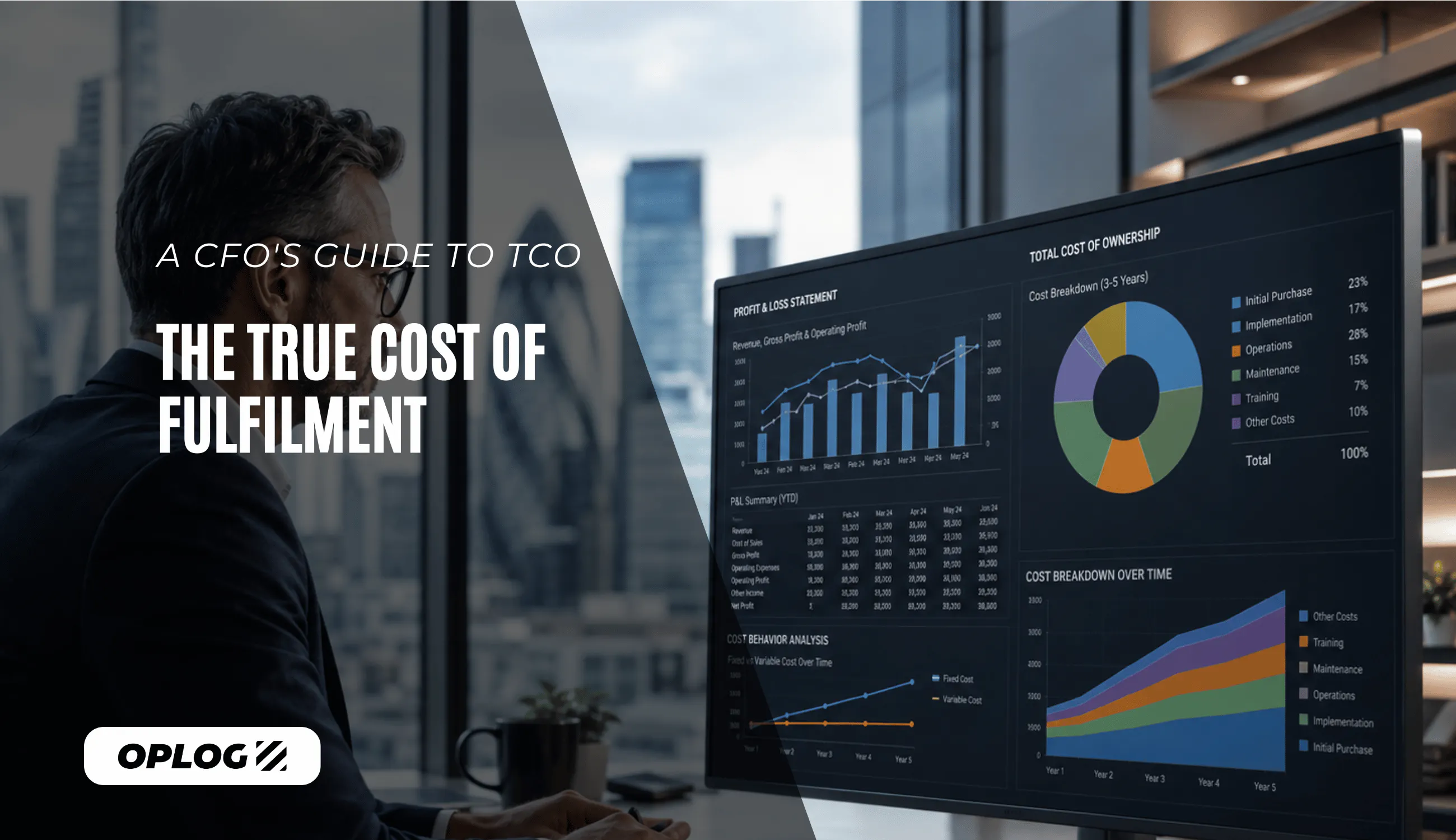
The income statement, which is the financial X-ray of every business, basically shows the net result obtained by deducting your expenses from your revenues. However, managing this table in corporate companies is much more complex than a simple math calculation. especially for firms transitioning from traditional trade models to digitalization or working in a hybrid structure, the biggest risk is "fixed and hidden costs" becoming unmanageable.
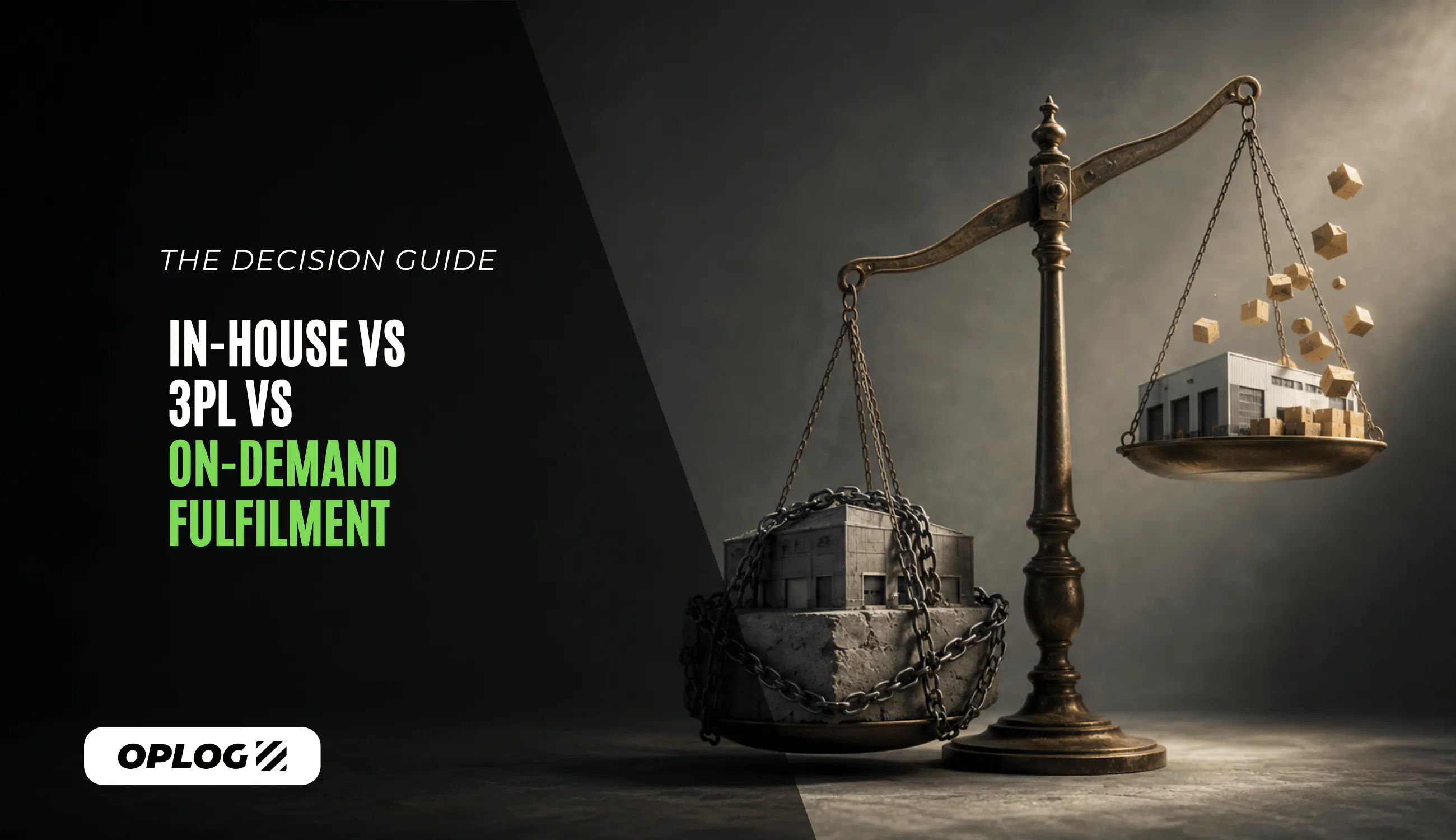
The traditional logistics understanding pushes firms towards an asset-heavy structure. Buying or renting your own warehouse, establishing your own vehicle fleet, employing warehouse staff on the payroll...
All of these create massive investment costs on the balance sheet and fixed expenses on the income statement that cannot be erased. You have to pay your warehouse rent, electricity, security, and staff salaries even in months when your sales drop seasonally. This situation disrupts the company's cash flow and destroys financial flexibility.
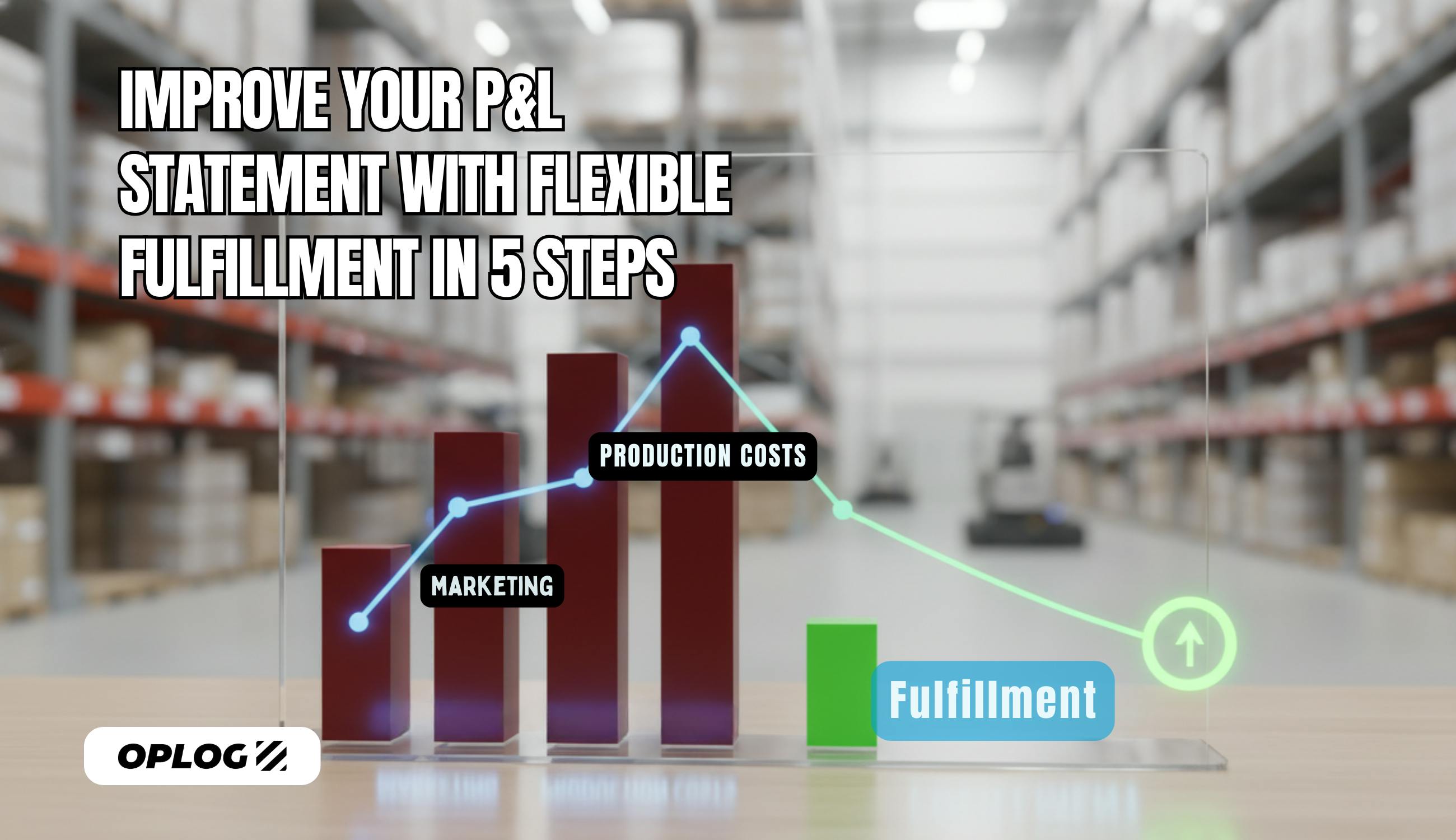
This is where modern logistics management comes into play. The model offered by technology-focused companies like OPLOG is based on the philosophy of converting these fixed costs into "variable costs." In other words, your operational costs move in parallel with your sales volume. If there are sales, there are expenses; if there are no sales, there are no expenses.
This approach is a favorite scenario for Finance Directors (CFOs) because it makes cash flow predictable and allows capital to be directed towards growth-oriented areas (marketing, product development) instead of tying it up in idle assets (empty warehouses).
For corporate firms, managing e-commerce logistics operations through outsourcing is not just an operational choice, but a strategic financial decision that directly improves the balance sheet. Accessing the latest technology and a scalable infrastructure without making fixed asset investments is the most rational way to lighten the expense items of the income statement.
2. E-Commerce Infrastructure: The Impact of Technological Integration on Costs

The success of an e-commerce operation depends as much on the robustness of the e-commerce infrastructure running in the background as it does on its visible face, the website. A mistake frequently made in corporate companies is seeing technology as limited only to the sales channel (website or mobile app).
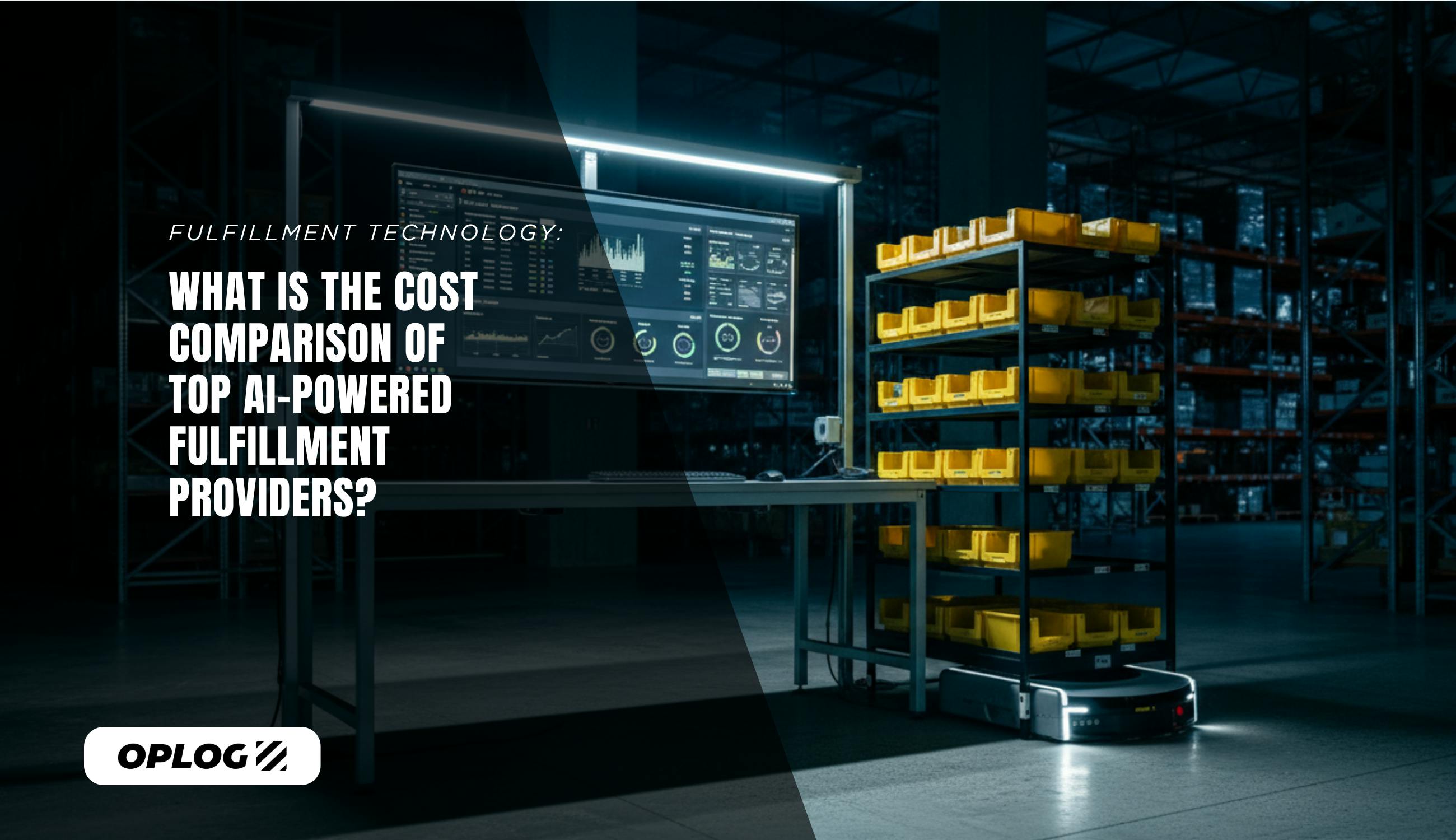
However, real efficiency is the ability of warehouse management systems, order management systems, and transport management systems—which manage the process from the moment the order is received until it is delivered to the customer—to "speak" to each other.
Old and cumbersome technologies (legacy systems) impose invisible costs on companies. Staff having to perform manual data entry due to non-integrated systems, inconsistencies in stock tracking, and data silos cause operational blindness. When looked at through the eyes of an e-commerce consultant, the biggest problem created by a lack of integration is "stock cost."
If you cannot see instantaneously which product is in which warehouse and in what quantity, you are forced to keep more stock than necessary so as not to lose the customer. This "overstocking" means your working capital is gathering dust on warehouse shelves.
In the opposite scenario, meaning if stock data is not up-to-date, you sell a product you don't have. This creates an "out-of-stock" situation and throws away not only that moment's turnover but also the marketing budget you spent to acquire that customer.
The integrated technology approach offered by OPLOG (platforms like OPLOG ONE) illuminates these blind spots of corporate companies.
Gathering orders from all sales channels on a single panel, updating stocks in real-time across all channels, and managing return processes transparently ensures that the e-commerce infrastructure is a power, not a burden, to the company. The right technological infrastructure eliminates costs arising from human error and minimizes the "operational losses" item in the income statement.
3. Logistics Management: Reducing Error Margins to Zero and Customer Loyalty
If you are managing an operation on a corporate scale, you know well how a small error rate can turn into a huge cost at the end of the day. A 1% error in a warehouse shipping tens of thousands of orders a day means hundreds of wrong shipments, hundreds of unhappy customers, hundreds of return cargo invoices, and hundreds of complaint calls to the call center per month. This chain reaction has the power to drag the income statement from profit to loss.
Effective logistics management is not just moving products from point A to point B. It is making the process error-free, fast, and traceable.
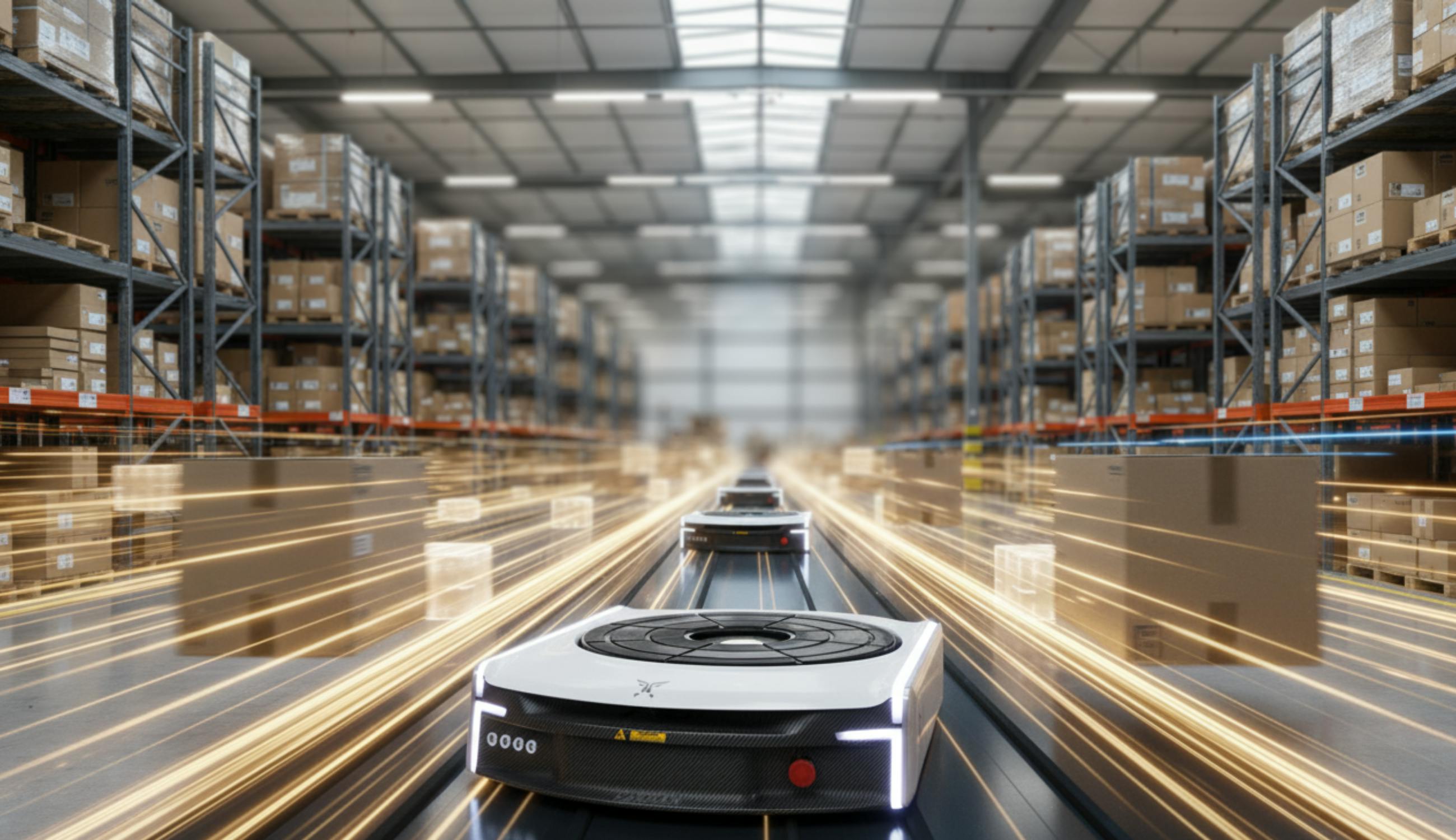
In traditional methods, warehouse staff can get tired, get distracted, and pack the wrong product while picking products with paper lists or old-style handheld terminals. However, in modern fulfillment centers where robotic technologies come into play, these risks are eliminated.
Autonomous robots and smart algorithms minimize the human factor in the order picking process. The right product coming to the packing station via the shortest route and in the fastest way not only increases speed but also lowers operational costs.
Every shipment that goes wrong is a double cost for the company: The cost of the outgoing cargo, the cost of the returning cargo, and the cost of repacking the product. Moreover, lost customer trust has no monetary equivalent.
For corporate firms, logistics management is the only touchpoint of customer experience in the physical world. Your customer is not interested in how fast your website is, but how fast and intact the package reaches their hand.
Therefore, making a technological investment in logistics processes or working with a technology-focused partner is the most critical move that increases the Return on Investment (ROI) of your marketing budget.
4. Efficiency in Fulfillment Processes: The Balance of Speed and Cost
Fulfillment, that is, the order fulfillment process, is the engine room of e-commerce. This entire process, from accepting products into the warehouse to placing them on shelves, picking and packing them when an order arrives, and giving them to cargo, is where operational profitability is determined. For corporate companies, fulfillment costs are usually the largest expense item after product costs.
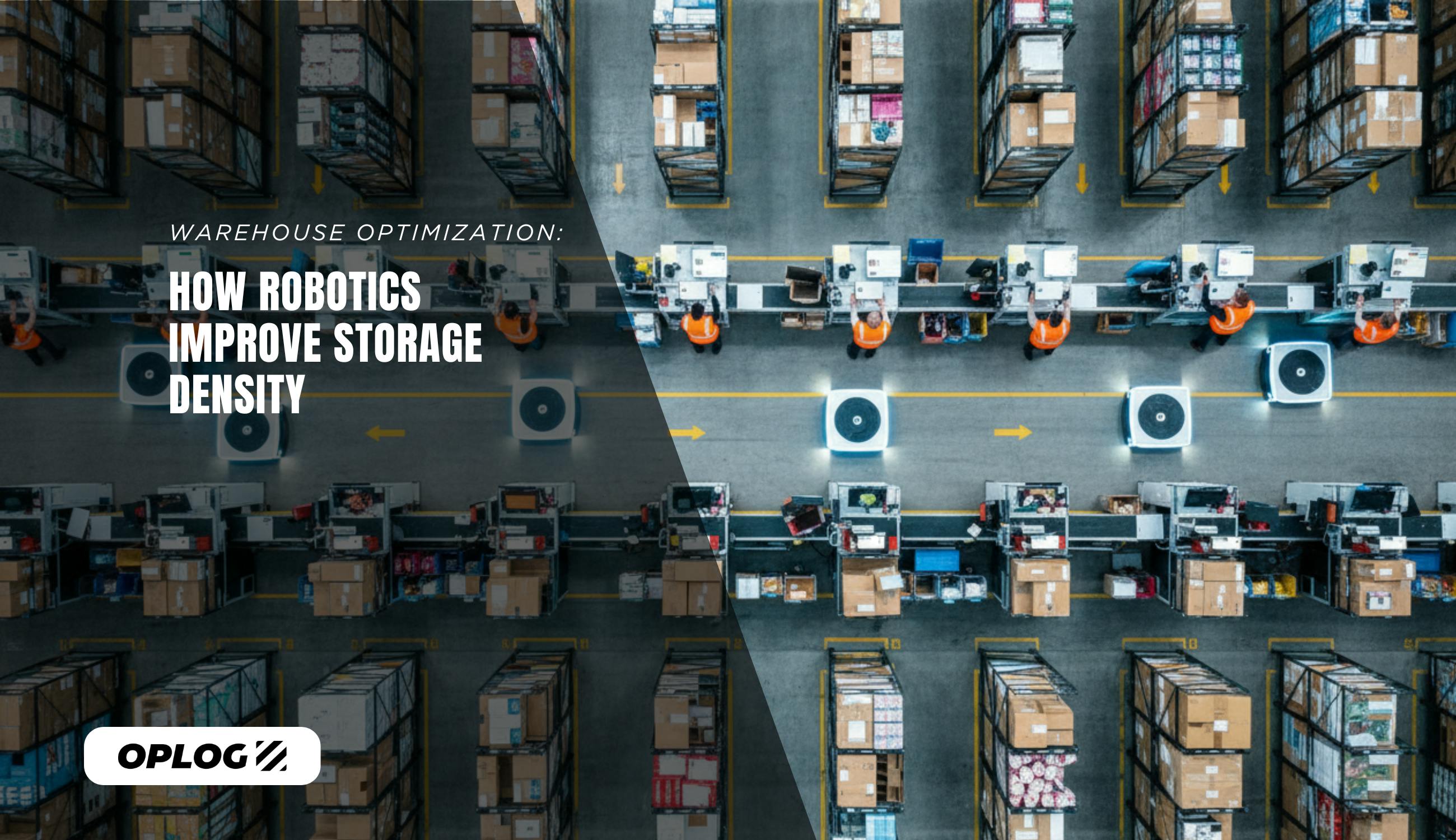
In traditional storage methods, warehouse space is used inefficiently. Wide aisles must be left for people and forklifts to pass. This increases the storage cost per square meter.
However, in smart fulfillment centers equipped with robotic systems, shelves can be placed much tighter and warehouse volume is used with maximum efficiency. This means being able to store more products in the same area and reducing the storage cost per unit.
Furthermore, speed in this process also affects the cash cycle. The faster an order is processed and given to cargo, the faster the collection process begins and the more customer satisfaction increases.
Especially for corporate firms selling on marketplaces, "dispatch time" and "store score" are of vital importance. A slow-functioning fulfillment operation causes the store score to drop, products to appear lower in search results, and consequently, sales to decrease.
Technology and robotics-focused business partners like OPLOG offer corporate companies not just a warehouse space, but a technology of speed and efficiency. Thanks to this technology, operations run without interruption even during seasonal peaks (Campaign periods, New Year's, etc.).
While finding, training, and managing temporary staff to meet these peaks in the traditional model causes great chaos and cost, a flexible and technological fulfillment infrastructure absorbs these fluctuations smoothly.
5. The Vision of an E-Commerce Consultant as a Strategic Partner

For a corporate structure to entrust its logistics operations to an external partner is not just an operational handover process. This is a strategic business partnership. In today's complex trade world, your logistics partner needs to approach you not as a supplier who just gives a "price per parcel," but like an e-commerce consultant who helps you grow your business.
Especially for companies with growth targets, opening up to new markets (international sales) is a great opportunity but also harbors great risks. For a Turkish brand wanting to expand to markets like the UK, Germany, or the USA, customs regulations, tax regulations, local consumer expectations, and return processes are like a complex labyrinth. Losing your way in this labyrinth can lead to serious losses in the company's income statement.
A good logistics partner guides the brand with the global network and know-how they possess. They provide data-driven insights on many issues, from which products are in higher demand in which market, to the customs exemption limits of that market, from the performance of local cargo companies to consumer return habits. The network established by OPLOG with its own warehouses in Turkey, the UK, and Germany gives brands the chance to compete in global markets "like a local player."
This consulting vision applies not only to international operations but also to domestic processes. Thanks to data-driven logistics management, analyses such as which regions order more, which products are sold together (bundle opportunities), and which cargo company performs better in which city can be made to guide the company's sales and marketing strategies. Data coming from logistics is the marketing department's most valuable treasure.
Conclusion: Catching Financial Success with Operational Excellence
In summary, for corporate companies to improve their income statement, focusing only on austerity policies or sales increase targets is not enough. Real sustainable success passes through the optimization of logistics and technology processes that form the operational backbone of the company.
Transforming fixed costs into flexible and variable costs, structuring the e-commerce infrastructure to provide integrated and real-time data flow, minimizing human error in logistics management with technology, and managing fulfillment processes with a focus on speed and efficiency are the solidest stones on the road to profitability.
Does your company see its logistics processes as a "burden on its back" or as an "engine of growth"? The answer to this question will determine your future financial success. Visionary business partners like OPLOG that produce technology and approach your business with the meticulousness of an e-commerce consultant allow you to get rid of corporate clumsiness and move to a flexible, fast, and profitable operational structure.
Remember, revenue is for show, profit is for survival. And in e-commerce, profit begins with efficiency on the warehouse floor.